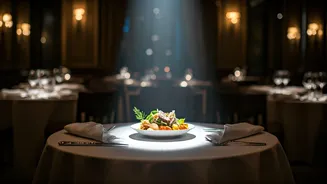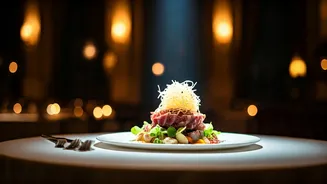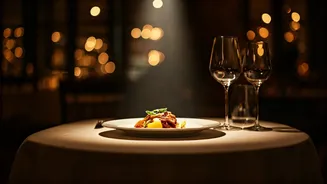


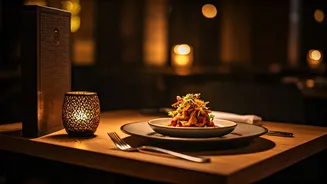
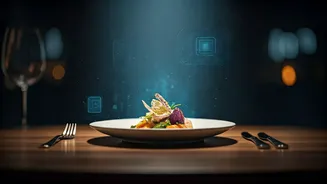


Beyond the Plate: What is Experiential Dining?
Forget the familiar routine of arriving at a restaurant, ordering from a menu, eating, and leaving. The new wave of dining is about creating an entire event around the meal. Experiential dining transforms a simple dinner into an immersive journey. This
can range from restaurants with elaborate themes, like a jail or a stock market, to those offering a narrative-driven tasting menu that tells a story with each course. The focus shifts from merely consuming food to engaging all the senses. It might involve interactive elements, such as chefs explaining the origin of ingredients, molecular gastronomy that plays with textures, or even dining in complete darkness to heighten your sense of taste. According to industry experts, the goal is no longer just to serve food, but to transport consumers into a different world and create a lasting impression.
The Instagram Effect and the Quest for Novelty
Several factors are fuelling this shift. A major driver is the desire for unique content for social media. For today's diners, particularly Gen Z and millennials, a visually appealing or novel dining setting is as important as the food itself. Restaurants are now designed to be 'Instagrammable', with unique decor, creative food presentation, and interactive spaces. Beyond the digital world, there's also a growing appetite for new and engaging social activities. After years of lockdowns and restrictions, people are eager for unique outings that go beyond the conventional. As Indian diners become more well-travelled and exposed to global trends, they seek similar diverse and exciting culinary experiences back home.
From Farm-to-Table to Themed Theatrics
The forms of experiential dining are incredibly diverse. In cities like Mumbai and Delhi, high-end restaurants such as Masque and Indian Accent have gained acclaim for their tasting menus that celebrate regional ingredients and forgotten recipes, offering a deep dive into India's culinary heritage. These establishments focus on authenticity and storytelling, connecting diners to the food's origin. On the other end of the spectrum are themed cafes and restaurants that offer pure entertainment. Concepts range from a revolving restaurant designed like a UFO in Mumbai to a cafe in Ahmedabad that uses toilet-themed decor to promote sanitation awareness. These places prove that the 'experience' can be educational, entertaining, or a blend of both, catering to a wide range of tastes and preferences.
The Evolution of Traditional Restaurants
This trend does not spell the end for traditional restaurants. Instead, it's a call for evolution. Many establishments are adapting by refining their service, focusing on high-quality, authentic regional cuisine, and creating a more distinct ambience. The rise of experiential dining has highlighted that a meal out is a destination event, and even restaurants that don't have a grand 'theme' must provide an experience that feels special and worth the price. This might mean incorporating more storytelling into the menu, hosting special events, or leveraging technology to offer a more personalized service. The key takeaway is that in a competitive market, providing a memorable experience has become essential for survival and growth.