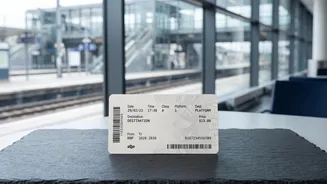




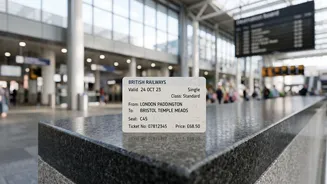
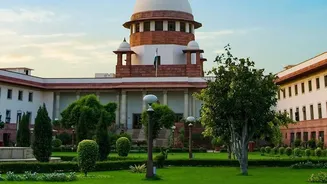
A landmark Supreme Court directive is set to change how Indian Railways provides a crucial safety net. From October 27, 2026, travel insurance will cover all tickets, including those bought at counters. This bridges a major gap for millions of non-digital
passengers.
The Digital Insurance Divide
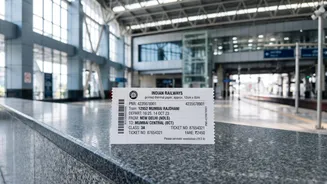
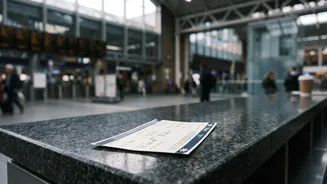
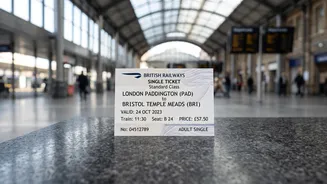
For years, a subtle divide has existed in Indian Railways' passenger services. Those booking tickets online via the IRCTC website or app could opt for travel insurance for a nominal fee of just 45 paise. This small sum provides significant financial protection, with coverage up to ₹10 lakh for death or permanent total disability arising from a train accident or other 'untoward incidents'. The process is simple: a single click before payment. However, this facility was conspicuously absent for passengers who purchase their tickets physically at railway station counters. This group, often comprising individuals from the lowest strata of society, the elderly, and those in rural areas with limited digital access or literacy, were left without this crucial safety net. They were unknowingly excluded from a benefit available to their digitally-savvy counterparts.
A Court's Push for Parity
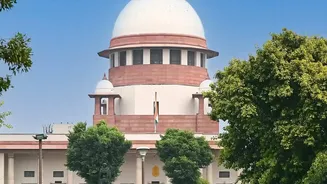
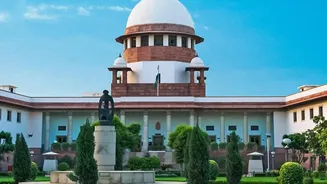
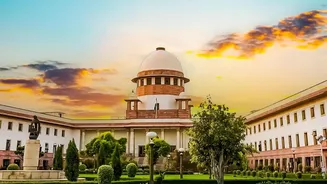
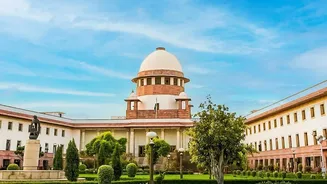
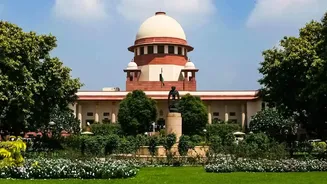
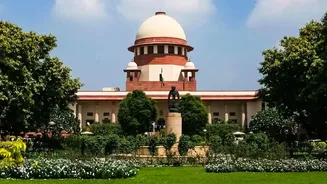
The Supreme Court has now stepped in to rectify this imbalance. Hearing a petition filed in the wake of the tragic Odisha train accident in June 2023, a bench of Justices Ahsanuddin Amanullah and R. Mahadevan expanded the case's scope to include broader passenger safety issues. The court expressed its 'utter disappointment' at the railways' lack of progress in devising a mechanism to provide insurance for offline ticket holders, despite previous assurances. Citing the need to protect all travellers, especially the most vulnerable, the court issued a mandatory directive: from October 27, 2026, all tickets sold over the counter must include the same insurance coverage as those bought online. The court placed direct responsibility on the Railway Board for implementation, warning it would be held accountable for any failure.
Why This Matters for Millions
This order is more than a procedural change; it is a significant step towards equitable access to public services. Indian Railways is the lifeline of the nation, carrying over 22 million people daily. A large percentage of these passengers are not booking tickets on smartphones or computers. They are migrant labourers, farmers, and families for whom a physical ticket from a crowded counter is the only way to travel. For them, technology can be a barrier, not a convenience. By making insurance a default inclusion for every ticket, the court ensures that a passenger's access to a financial safety net does not depend on their digital literacy or economic status. It reinforces the principle that essential protections should be universal in a public transport system.
The Road Ahead
The Railway Board is now tasked with implementing this directive. While the 'how' is still being finalised, the 'why' is crystal clear. The order ensures that in the event of an unfortunate accident, the families of all victims, regardless of how they purchased their ticket, will have access to financial support. This mandatory inclusion transforms insurance from an optional add-on for the digitally privileged into a fundamental component of passenger welfare. The court's intervention underscores a critical principle for a rapidly digitising India: progress and innovation must not leave the most vulnerable behind. Balancing technological advancement with inclusivity is essential for ensuring that the benefits of modernisation are shared by all citizens.