
The Paths That Built a Nation
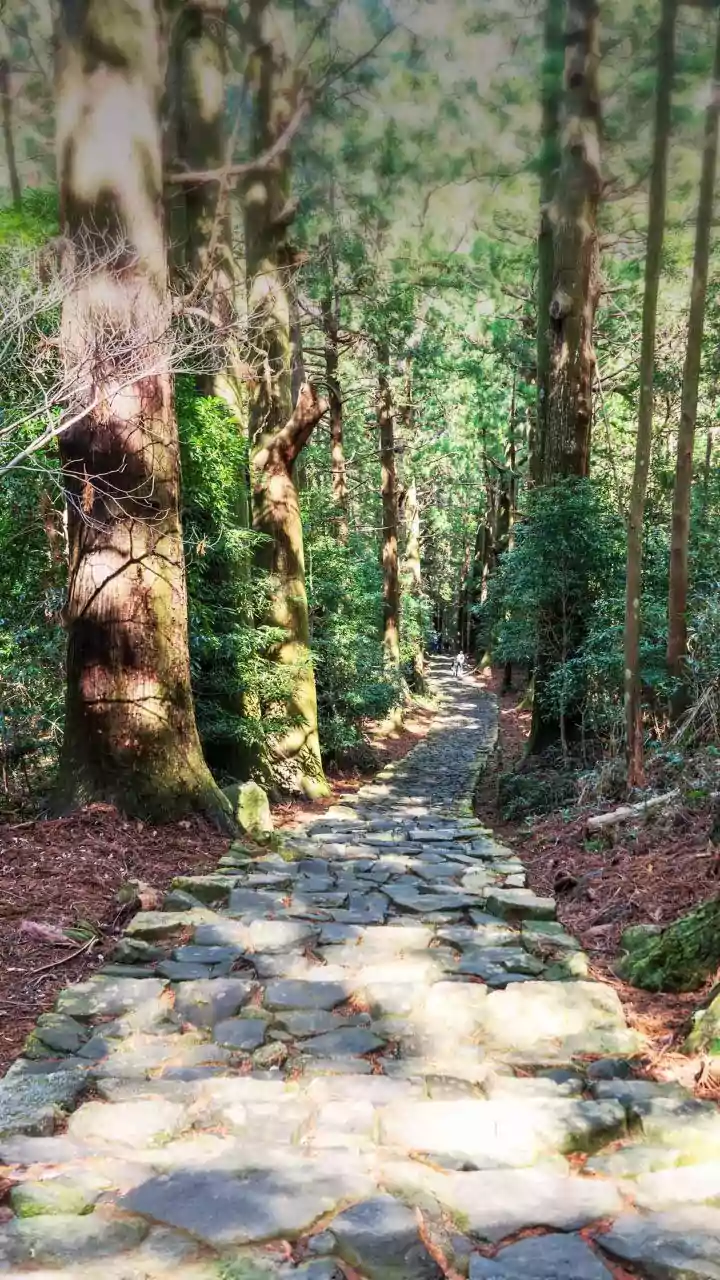
Long before asphalt roads, Greece was connected by a vast network of stone-paved paths known as 'kalderimia'. These were not leisure trails but essential arteries of life, engineered for foot and hoofed traffic, linking villages to chapels, fields, and remote
monasteries. Typically about two metres wide, they were built so that two laden mules could pass each other. For centuries, until as recently as the 1960s and 70s in some rural areas, these paths were the primary way to travel. Today, after years of neglect, many of these kalderimia are being restored, offering hikers a unique way to explore the country’s rugged interior and connect with its history on a profound level.
The Menalon Trail: A Peloponnesian Epic
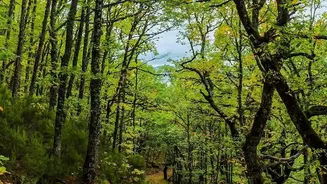
In the heart of the Peloponnese, the Menalon Trail offers a 75-kilometer journey through the dramatic landscapes of Arcadia. It was the first trail in Greece to be certified by the European Ramblers' Association, a testament to its quality, clear waymarking, and diverse scenery. The trail is divided into eight sections, winding through the spectacular Lousios Gorge, past cliff-hanging monasteries like Prodromos, and into charming stone villages such as Stemnitsa and Dimitsana. One of the most celebrated sections connects these two villages, descending into the lush gorge, crossing the Lousios River, and passing by the ancient Philosophou Monastery, which dates back to 963 AD. The trail is more than a hike; it's an immersion in a region rich with myth and history.
The Corfu Trail: An Island-Long Adventure
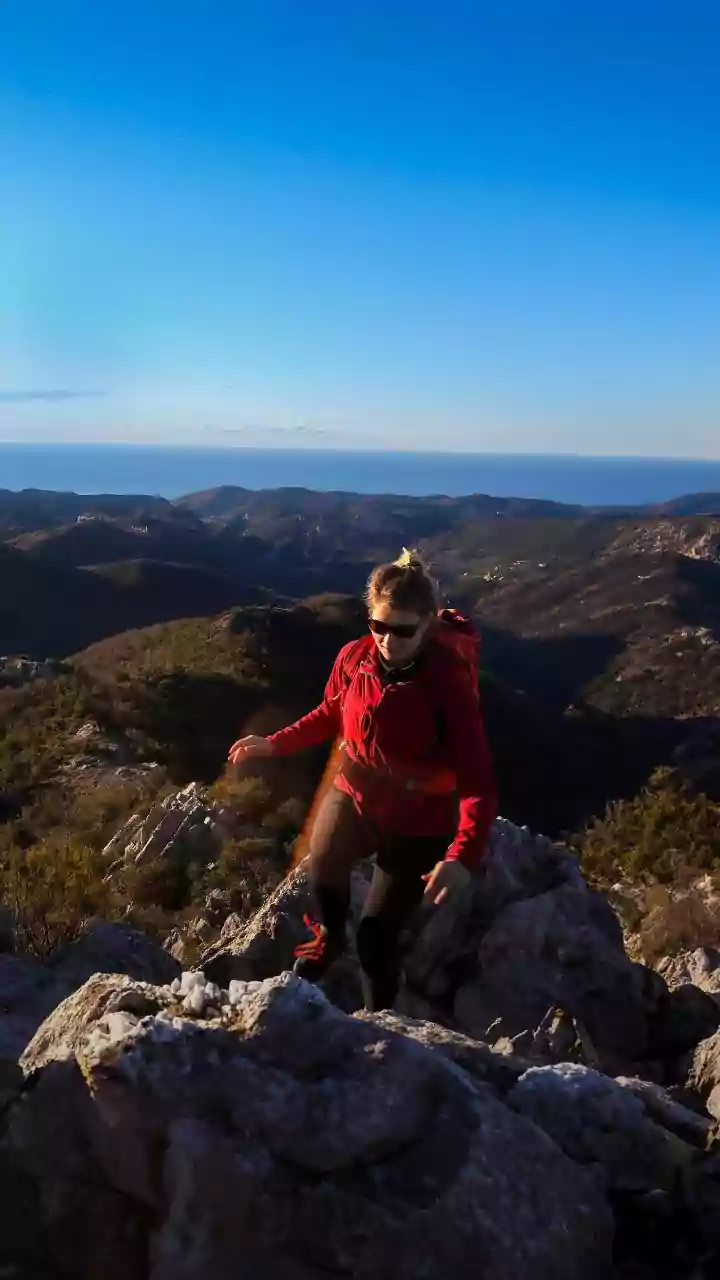
Stretching over 200 kilometers from the island's south to its north, the Corfu Trail is one of Greece's best-kept secrets. Established in 2001, it reveals a side of the popular Ionian island that few tourists ever see. The path guides walkers through a stunning variety of landscapes: rugged coastlines, vast olive groves, juniper-covered dunes, and sleepy inland villages where time seems to stand still. Highlights include the trek to the summit of Agii Deka, crossing the island from west to east, and exploring the almost-abandoned Byzantine village of Old Perithia. Hikers can tackle the entire route in about 10 days or choose shorter sections for day hikes, enjoying views of the turquoise sea and the Albanian coast from the higher peaks.
Crete's Ancient Paths: Gorges and Mountain Peaks
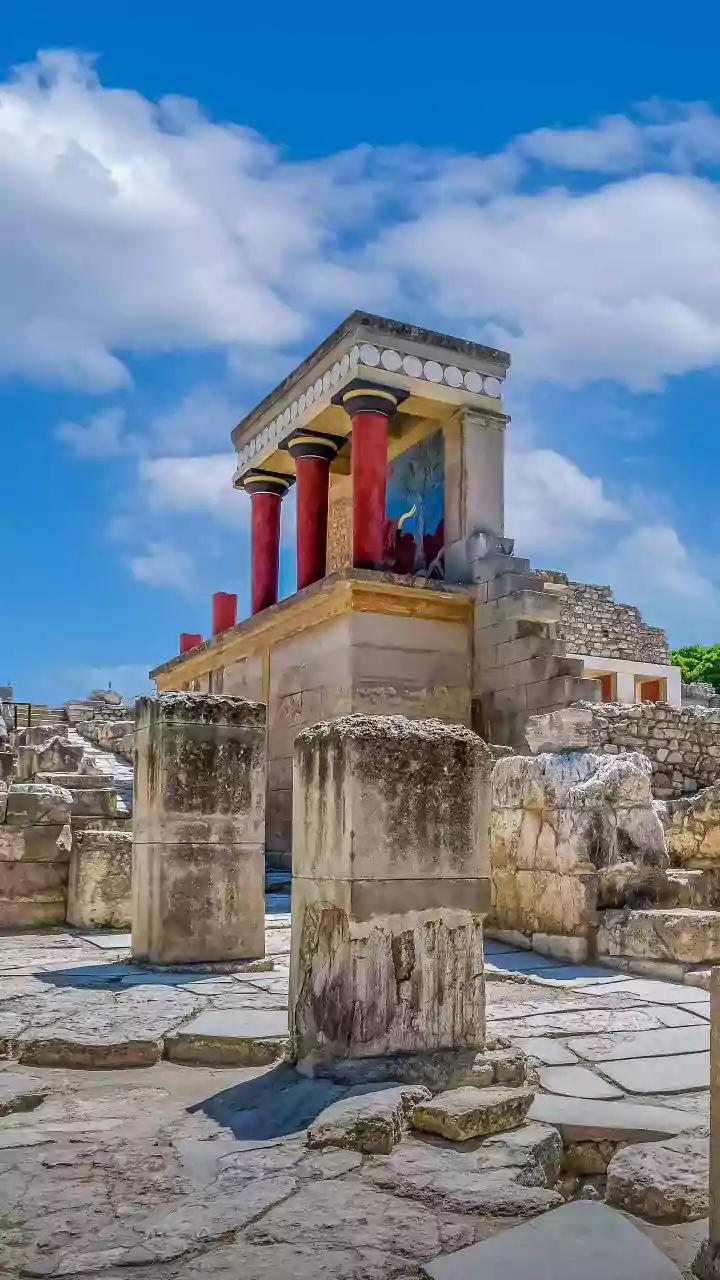
Crete, Greece's largest island, is a paradise for walkers, crisscrossed by ancient paths and dramatic gorges. The most famous is the Samaria Gorge, a 16-kilometer trek through one of Europe's longest canyons, located within the White Mountains National Park. But beyond Samaria, the island offers countless other routes. The E4 European long-distance path traverses the island, taking hikers across its varied terrain, from coastal tracks to high mountain passes. In the east, the Lassithi Plateau offers hikes that connect ancient Minoan sites, like the path leading to Dikteon Andron, the mythical birthplace of Zeus. These trails offer a physical challenge combined with a deep dive into the island's rich and layered history.
Practical Tips for Your Greek Hike
The best times to hike in Greece are spring and autumn when the weather is mild and the landscape is vibrant. Summer can be extremely hot, so if you do hike, start early and carry plenty of water. Always wear sturdy hiking boots, a hat, and sunscreen. While many trails like the Menalon Trail are well-marked, it's wise to have a map or a reliable navigation app. Let someone know your planned route and estimated return time. Remember that you are often walking through remote areas, so pack essentials like water, snacks, and a basic first-aid kit.