







A Contradiction in the Market
At first glance, recent data suggests Indian homes are getting bigger. Reports from early 2026 show that the average apartment size in India's top cities has increased, driven by a post-pandemic demand for more space and a boom in the luxury housing sector.
Families are looking for an extra room to serve as a home office or a study, and developers are catering to this premium segment. However, this is only half the story. For millions living in the dense hearts of cities like Mumbai, or for young professionals and first-time buyers, the reality is still very much compact. Sky-high property prices and the desire to live closer to work hubs mean smaller, more affordable homes remain the practical choice for a huge portion of the urban population.
The Rise of Transformer Furniture
This pressure on space has sparked a revolution in innovation, particularly in furniture design. The market for multifunctional furniture is growing rapidly in India, with consumers seeking pieces that serve multiple purposes. Think of a sofa that seamlessly converts into a comfortable bed at night, a coffee table that rises to become a dining table or a work desk, or an ottoman that secretly stores blankets and magazines. Beds with hydraulic lifts that reveal vast storage underneath are no longer a novelty but a necessity. Wall-mounted desks fold away when not in use, and nesting tables provide surfaces when needed without permanently occupying floor space. This isn't just about saving space; it's about making the available space more dynamic and adaptable to the rhythms of daily life.
Designing the Illusion of Space
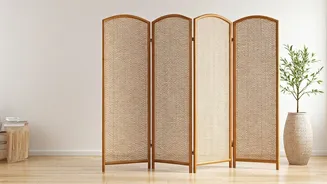
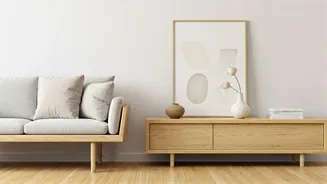
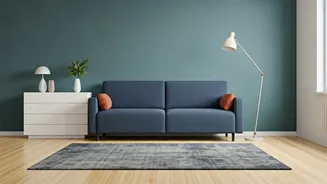
Beyond just clever furniture, interior design itself is being rethought to make compact homes feel more expansive. Designers now employ a toolkit of tricks to deceive the eye. Light and neutral colour palettes, like whites, beiges, and soft pastels, are used to make walls recede and create a sense of openness. Strategically placed mirrors can double the perceived size of a room by reflecting light and views. Utilizing vertical space is another key strategy. Floor-to-ceiling shelves or wardrobes draw the eye upward, creating an impression of height and providing ample storage without eating into the footprint of the room. Pocket doors that slide into walls instead of swinging open are another popular solution, saving precious square footage in tight areas.
Flexible Layouts for Modern Life
The very architecture of apartments is evolving to reflect new needs. The growing popularity of the '2.5 BHK' configuration is a perfect example. This layout offers two full bedrooms and a smaller third room, often no larger than a small study. This 'half' room provides the flexibility that a standard 2 BHK lacks, serving as a much-needed home office, a children's playroom, a hobby corner, or a small guest room without the cost of a full 3 BHK. This trend acknowledges that modern life, with its hybrid work models and changing family structures, demands spaces that can adapt. Developers are increasingly designing floor plans with modular options, allowing homeowners to customize these flexible spaces to their specific needs.
A Shift in Mindset
Ultimately, the move towards clever, compact living is more than just a response to physical constraints; it represents a significant mindset shift. For many urban Indians, particularly millennials, the home is no longer just a status symbol defined by size. Instead, the focus has shifted to functionality, efficiency, and location. There is a growing appreciation for minimalist principles and the idea that a well-designed smaller space can be more comfortable and easier to maintain than a large, cluttered one. The new aspiration is not just to live large, but to live smart, with every square foot of the home thoughtfully designed to enhance a modern, dynamic lifestyle.