





Why Ingredient Awareness Matters Now
The Indian market is flooded with convenient, packaged snacks. From chips and namkeen to biscuits and health bars, the options are endless. While convenient, many of these products are ultra-processed, containing high levels of salt, sugar, unhealthy
fats, and a long list of additives designed to extend shelf life and enhance flavour. This shift away from traditional, fresh snacks is linked to a rise in lifestyle diseases. Now more than ever, taking a moment to understand what's in your food is a critical step towards better health. The Food Safety and Standards Authority of India (FSSAI) is also cracking down on misleading claims, issuing notices to companies for using terms like "healthy" or "natural" without sufficient proof, making consumer awareness even more vital.
Your Guide to Decoding the Label
The key to smart snacking lies in reading the ingredient list, not just the front-of-pack claims. According to FSSAI regulations, all ingredients must be listed in descending order by weight. This means the first ingredient is the most abundant. If sugar, salt, or refined flour is at the top of the list, you know what you're primarily consuming. Look for the FSSAI logo and license number, which shows the product complies with safety standards. Pay attention to serving sizes; the nutritional information often applies to a single serving, but a packet might contain several. Also, check for the green (vegetarian) or brown (non-vegetarian) dot to align with your dietary preferences.
The Usual Suspects: Ingredients to Limit
Certain ingredients are red flags when consumed in excess. Palm oil is prevalent in Indian snacks due to its low cost and stability, but it's high in saturated fats. While it’s a better alternative to trans fats, which are created through hydrogenation, oils like olive or canola are healthier choices. Be wary of hidden sugars like high-fructose corn syrup, maltodextrin, or dextrose, which can spike blood sugar. Excessive sodium (salt) is a major concern in savoury snacks and is linked to high blood pressure. Also, watch out for artificial additives, colours, and preservatives like MSG (Monosodium Glutamate), BHA, BHT, and TBHQ, which can have adverse health effects in the long run.
Seeing Through 'Healthy' Marketing Hype
Marketers use appealing words to make products seem healthier than they are. "Multigrain" might simply mean it contains more than one type of refined flour, not necessarily whole grains. A "baked, not fried" snack can still be high in sodium and refined carbohydrates. The term "natural flavours" is particularly tricky. According to regulations, these flavours must originate from a plant or animal source, but they can still be highly processed in a lab. A product labeled "natural" can be misleading if it contains synthetic additives. The FSSAI has recently taken action against brands making unsubstantiated claims like "zero maida" or using the term "healthy" on products high in salt or sugar.
Making Smarter, Simpler Snack Swaps
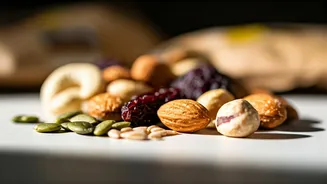
Becoming ingredient-aware doesn't mean giving up snacks. It's about making better choices. Instead of packaged chips, try air-popped popcorn, roasted chana, or a handful of nuts. Swap sugary, flavoured yogurts for plain yogurt and add your own fresh fruit. Instead of a mass-produced granola bar, which can be packed with sugar, consider an apple with peanut butter. The goal is to move towards whole, minimally processed foods. Reading labels helps you find packaged options with shorter, more recognisable ingredient lists. A good rule of thumb is to choose foods where you can understand what every ingredient is and why it's there.