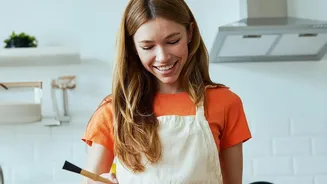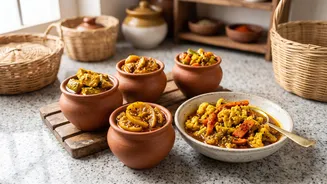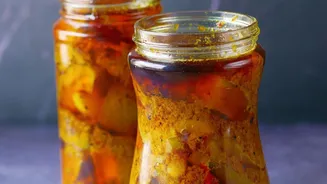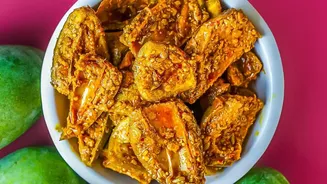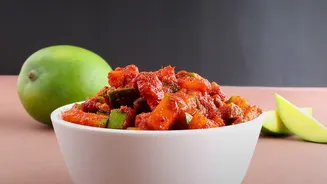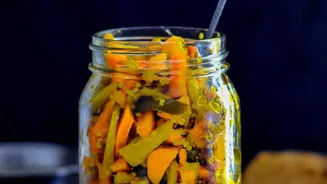



In kitchens across India, a fragrant tradition is being uncorked by a new generation. The age-old art of pickling, once the domain of grandmothers, is finding a surprising and passionate revival among young home cooks.
A Taste of Heritage and Nostalgia
For many young Indians, the journey
into pickling begins with a search for connection. In a fast-paced, globalised world, recreating the 'achaar' that their 'dadi' or 'nani' made is a powerful way to reconnect with their roots and family history. This isn't just about food; it's about preserving a treasured family legacy in a jar. Each recipe, often passed down through generations, carries stories of summer holidays, shared family activities, and the distinct flavours of a childhood home. The process of sun-drying ingredients, carefully grinding spices, and patiently waiting for the pickle to mature is a tangible link to a slower, more deliberate way of life that many are keen to experience.
The Modern Drive for Health and Wellness
Beyond nostalgia, health consciousness is a significant driver of this trend. Unlike many mass-produced pickles that contain chemical preservatives and high levels of sodium, homemade pickles offer complete control over ingredients. Today's young cooks are keenly aware of the benefits of natural, preservative-free foods. The traditional Indian pickling process often involves natural fermentation, which creates probiotics beneficial for gut health. This aligns perfectly with the modern wellness focus on gut-friendly foods. Making pickles at home ensures the final product is not only authentic in taste but also free from artificial additives, making it a healthier choice.
From Kitchens to Social Media Feeds
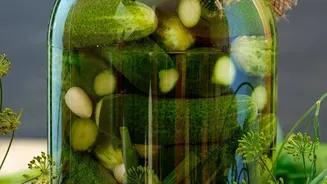
The revival of pickling is also being amplified by social media. Platforms like Instagram and YouTube have transformed this traditional craft into a visually appealing and shareable hobby. Young home cooks are documenting their pickling adventures, from sourcing seasonal vegetables like carrots and cauliflower to the final colourful product in sunlit jars. This digital sharing creates a sense of community, where recipes are exchanged, tips are offered, and the art form is celebrated collectively. Food influencers and home chefs have been instrumental, showcasing regional pickling diversity and encouraging a new generation to appreciate India’s rich culinary landscape.
Sustainability in a Jar
Pickling has always been a method of preservation, born out of the necessity to make seasonal produce last longer. For today's environmentally-conscious youth, this practice has found new meaning as a powerful tool for sustainability. Mastering pickling allows them to buy seasonal fruits and vegetables in bulk when they are fresh and abundant, reducing food waste. It encourages a closer connection to seasonal eating cycles, a practice that was central to traditional Indian food systems. By preserving the bounty of one season, they ensure flavourful, homemade additions to meals throughout the year, making it both an economical and eco-friendly practice.