








Create Clear Pathways for Air
The first principle of a fresh, airy home is giving air a clear path to travel. In coastal areas, where high humidity can make air feel heavy and stagnant, this is non-negotiable. Think of your apartment like a small town and the air like traffic; you want
to avoid bottlenecks. The biggest culprits are large furniture pieces placed too closely together or blocking natural pathways between rooms. To combat this, identify the main channels of movement in your home—from the front door to the living area, from the kitchen to the balcony. Ensure these routes are as open as possible. This doesn't mean you need an empty home, but rather a thoughtfully arranged one. Leave ample space around your main furniture groupings to allow people, and more importantly, air, to move through without obstruction. A simple walkthrough can reveal where the flow is interrupted. If you have to shuffle sideways to get past the sofa, it's time to rethink the layout for better circulation.
Master the Art of Cross-Ventilation
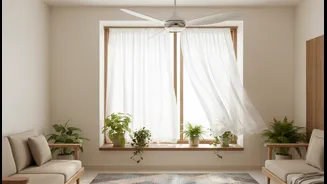
Cross-ventilation is your most powerful natural ally against musty odors and stale air. It is the simple process of opening windows or doors on opposite sides of a room or apartment to create a current. This pushes stale, humid air out and pulls fresh, drier air in. For apartment dwellers, this might seem challenging, but it's often more achievable than you think. Identify the windward side of your building (where the breeze typically comes from) and the leeward (sheltered) side. By opening windows on both sides, even slightly, you create a pressure differential that gets the air moving. If your windows are all on one side, you can still create a similar effect. Open windows at opposite ends of your apartment and use fans to help direct the airflow from one end to the other. Even leaving interior doors open can significantly improve the circulation throughout your entire home.
Give Your Furniture Room to Breathe
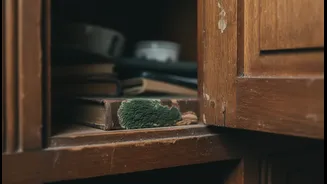
One of the most common layout mistakes that traps moisture and encourages musty smells is pushing furniture flush against the walls. Large items like sofas, wardrobes, and bookshelves need a bit of breathing room. Pulling them even a few inches away from the wall allows air to circulate behind them, preventing the buildup of dampness that can lead to mildew and that tell-tale odor. This is especially critical for exterior walls, which can be cooler and more prone to condensation in humid climates. Closets are notorious hotspots for mustiness. Avoid packing them to capacity. Leaving space between hanging clothes and storing items in breathable containers rather than sealed plastic bins can make a significant difference. For closets against outside walls, it is wise to run a small dehumidifier or crack the door open periodically to encourage air exchange.
Choose Lighter and Elevated Pieces
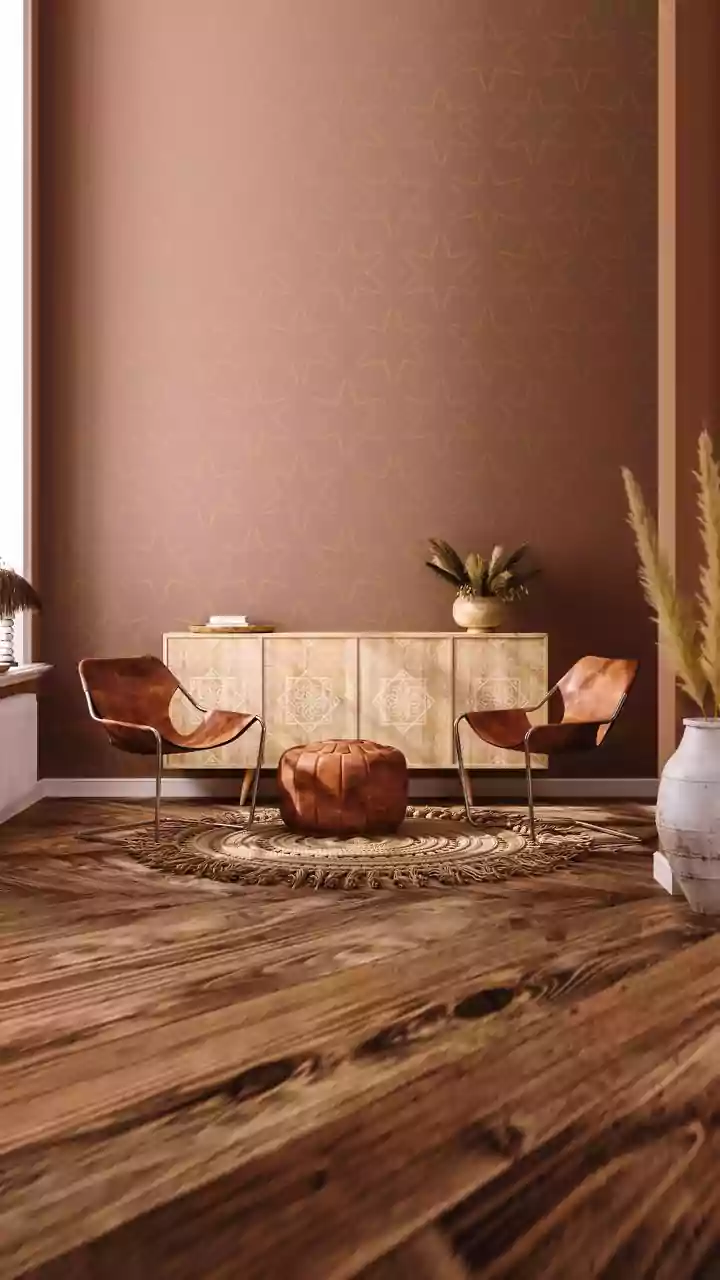
The type of furniture you choose has a direct impact on airflow. Heavy, solid pieces that sit directly on the floor act like dams, blocking air from moving freely across the room. To enhance circulation, opt for furniture with legs. Sofas, sideboards, and bed frames that are elevated off the ground allow air to pass underneath, which helps maintain a more even temperature and prevents stagnant, damp spots from forming. Similarly, consider the visual and physical weight of your storage. Bulky, solid bookshelves and cabinets can halt airflow. Open-style shelving or units with open backs are a far better choice for maintaining an airy feel. These pieces not only improve circulation but also make a room feel larger and less cluttered, contributing to a fresher overall environment. When possible, choose natural, breathable materials for upholstery and rugs, as they are less likely to trap moisture than heavy synthetics.
Use Fans and Vents Intelligently
While layout is crucial, it works best in tandem with mechanical assistance. Strategically placed fans can amplify your layout's effectiveness. A ceiling fan, set to run counter-clockwise in warm weather, pushes air downward, creating a cooling breeze and circulating the air. Don't just place floor fans randomly; use them with purpose. For example, place a fan in an open doorway to pull air from a cooler room into a warmer one, or position it facing out a window to exhaust stale, hot air. Finally, never block air vents with furniture or rugs. This seems obvious, but it's a frequent oversight. Blocked vents not only disrupt your HVAC system's ability to control humidity but also create dead zones where air cannot circulate, leading directly to the stagnant conditions that cause musty odors.