





The Philosophy of ‘Sattvik’ Food
Derived from the Sanskrit word 'sattva', meaning purity, harmony, and balance, a Sattvik diet is central to Ayurvedic and yogic traditions. The philosophy goes beyond mere ingredients; it's about consuming food that is fresh, natural, and full of 'prana'
or life-force energy. The goal is to nourish the body without agitating the mind or taxing the digestive system. During seasonal transitions, like those in which many fasting festivals occur, immunity can be lower, and a shift to a light, clean diet helps protect the body. Foods are categorized into three 'gunas' or qualities: Sattva (purity), Rajas (activity and passion), and Tamas (heaviness and inertia). A Sattvik diet avoids rajasic foods like onion and garlic and tamasic foods like meat and stale items, which are believed to cause mental and digestive disturbances.
Gentle Cooking for Easy Digestion
One of the cornerstones of Sattvik cooking is the use of gentle preparation methods. Instead of heavy, deep-fried foods that can make you feel lethargic and bloated, the focus is on techniques like steaming, boiling, and light sautéing. These methods preserve the natural nutrients in the food and make them easier for the body to break down and absorb. During a fast, the digestive system is already in a state of rest, and introducing heavy, oily foods can disrupt this delicate balance, leading to acidity and discomfort. By choosing lighter cooking techniques, the body gets the nourishment it needs without overburdening the gut, which is crucial for maintaining energy and vitality throughout the day.
The Power of Digestive-Friendly Spices
Spices are the heart of Indian cooking, and in a Sattvik kitchen, they are chosen for both flavour and function. Common household spices like ginger, cumin, coriander, turmeric, and fennel are celebrated for their digestive properties. Ginger, for instance, stimulates the production of digestive enzymes and can soothe irritation. Cumin is known to reduce gas and bloating, while fennel seeds act as a wonderful mouth freshener and digestive aid. These spices help kindle the 'agni' or digestive fire, ensuring that food is processed efficiently. Using these warming, gentle spices in place of overly pungent or hot ones helps maintain harmony in the digestive tract, preventing issues that can arise from fasting.
Mindful Ingredient Choices
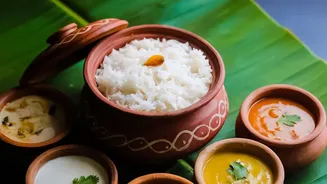
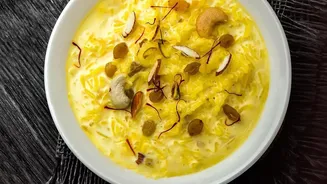
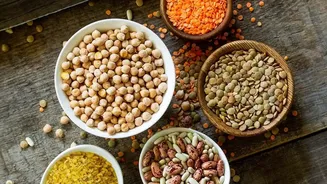
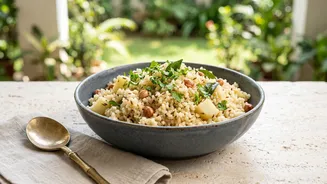
Sattvik fasting diets emphasise whole, natural foods that are easy on the system. Grains like regular wheat and rice are often replaced with pseudo-grains and millets such as buckwheat (kuttu), amaranth (rajgira), and barnyard millet (samak rice). These alternatives are often gluten-free, high in fibre, and help promote good gut health. Fresh fruits, nuts, seeds, and easily digestible vegetables like bottle gourd and pumpkin are staples. Dairy products like milk and yoghurt are also included for their cooling properties and probiotic benefits, which support a healthy gut microbiome. Instead of regular table salt, rock salt (sendha namak) is used, as it's considered purer and helps maintain the body's electrolyte balance.
Hydration and Meal Timing
Proper hydration is a non-negotiable aspect of healthy fasting. A Sattvik approach encourages drinking plenty of water, coconut water, or herbal teas to flush out toxins and maintain electrolyte balance. Herbal infusions with ingredients like tulsi, ginger, or fennel can boost immunity and support digestion. Furthermore, the timing and size of meals are crucial. Ayurveda suggests eating only when you are truly hungry and avoiding large, heavy meals, especially when breaking a fast. Opting for smaller, more frequent portions of light foods like fruit or a vegetable soup can prevent the digestive system from becoming overwhelmed, ensuring the benefits of the fast are not counteracted by post-fast indulgence.