





Why Seasonal is Sensible
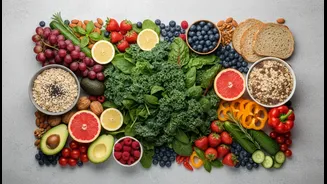
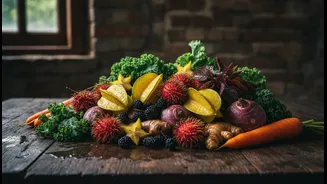
Embracing seasonal eating is one of the best ways to enhance your diet. Produce that is in season is fresher, tastes better, and is more nutritionally dense. When fruits and vegetables are harvested at their peak, they retain more of their vital nutrients,
like vitamins and antioxidants, compared to produce that has been transported over long distances and artificially ripened. Seasonal foods are also often more affordable and environmentally friendly. Most importantly for the monsoon, nature provides produce rich in the specific nutrients needed to boost immunity during a time of increased risk for infections. According to Ayurveda, the monsoon or 'Varsha Ritu' is a time when our digestive fire, or 'Agni', is naturally weaker. This makes it crucial to eat foods that are light and easy to digest.
Monsoon Vegetable Powerhouses
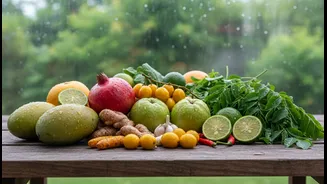
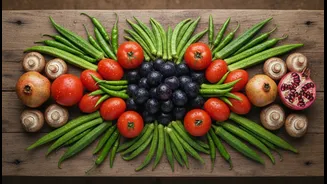
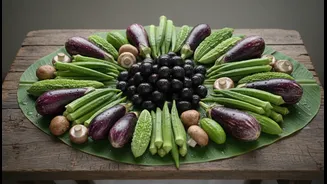
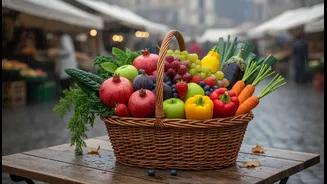
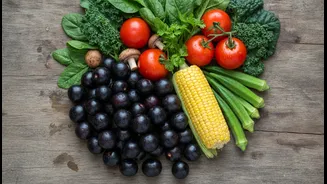
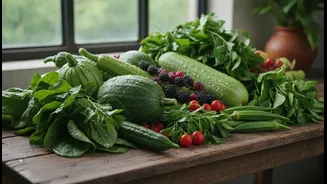
While it's wise to be cautious with raw leafy greens, which can harbour bacteria in the damp weather, the monsoon offers a wonderful basket of other vegetables. Gourds are the stars of the season. Look for bottle gourd (lauki), bitter gourd (karela), ridge gourd (turai), and snake gourd (chichinda). These vegetables are light, easy to digest, and packed with nutrients. Other excellent choices include Indian squash (tinda), cluster beans (gawar), and lady's finger (bhindi). Corn (bhutta) is another monsoon favourite, perfect for roasting or adding to soups and chaats. These vegetables are ideal for making comforting, warm dishes like soups, stews, and simple sabzis that align with Ayurvedic advice for the season.
Fruity Monsoon Delights
The fruit basket is equally exciting during the rainy season. Jamun (Java plum) is a quintessential monsoon fruit, celebrated for its antioxidant properties and rich content of iron, folate, and potassium. Peaches, plums, and cherries also make their appearance, offering a sweet and tangy flavour profile. Pears are another excellent choice, being nutrient-dense and high in immunity-boosting Vitamin C. Litchis, which arrive just as the monsoon begins, are a great source of antioxidants and Vitamin C. While many varieties of mangoes are associated with summer, some late-season types like Langra and Chausa are available well into the monsoon months. Ayurveda suggests opting for fruits like pomegranates, apples, and bananas, which are considered easier to digest.
Building Your Monsoon Menu
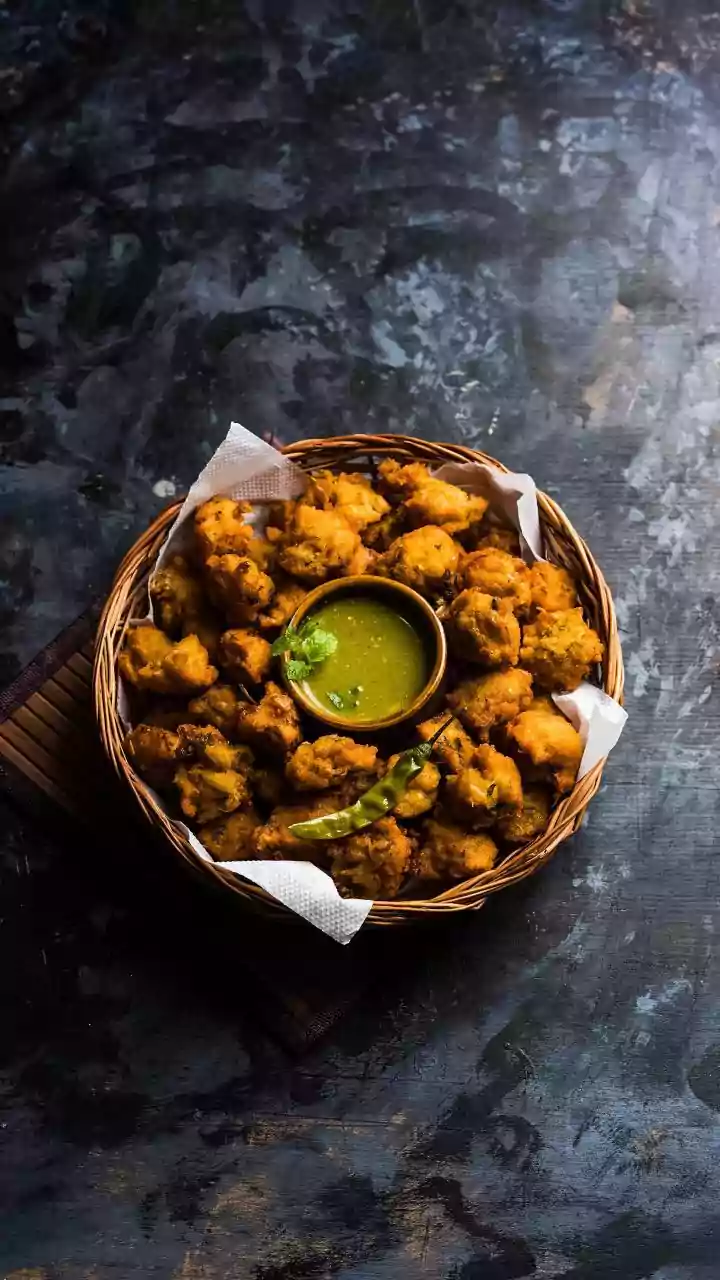
Incorporating these seasonal gems into your weekly menu doesn't have to be complicated. Start your day with warm, freshly cooked breakfasts like moong dal chilla or poha. For lunch and dinner, simple home-cooked meals are best. Think of a comforting bowl of dal with steamed rice and a side of turai or lauki sabzi. Khichdi, made with rice and moong dal, is considered an ideal monsoon meal in Ayurveda because it's light, nourishing, and easy on the stomach. You can make it more interesting by adding seasonal vegetables. For snacks, instead of reaching for deep-fried treats that can be heavy on digestion, try steamed corn, sweet corn chaat, or a warm vegetable soup. Even classic pakoras can be made with a medley of seasonal vegetables like grated carrots and cauliflower.
A Note on Food Safety
The high humidity during the monsoon makes it a breeding ground for bacteria, so food safety is paramount. It's widely recommended to avoid street food, pre-cut fruits, and raw salads during this season. Leafy green vegetables like spinach and cabbage should be approached with caution; if you do eat them, ensure they are washed thoroughly and cooked well to kill any microbes. In fact, opting for cooked meals over raw food in general is a sound strategy. Ayurveda also advises drinking boiled or warm water and using digestive spices like ginger, turmeric, cumin, and black pepper in your cooking to support your digestive system.