




Autumn in Spiti: A Double-Edged Sword
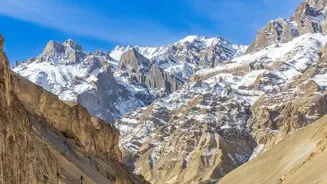
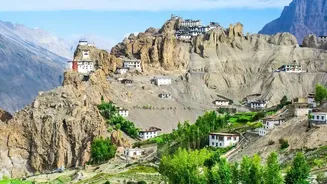
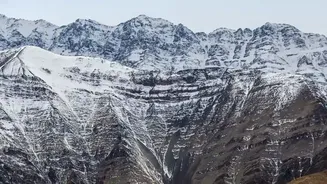
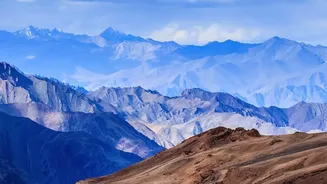
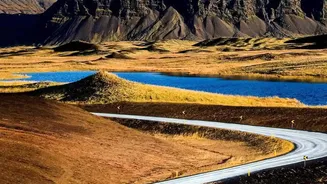
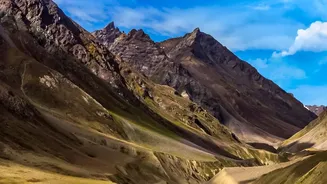
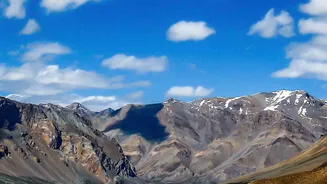
September and October are often called the best months to visit Spiti. The monsoon has passed, leaving behind stable roads and brilliant blue skies. The landscape, dotted with poplar and willow trees, turns a stunning shade of gold. However, autumn is a season
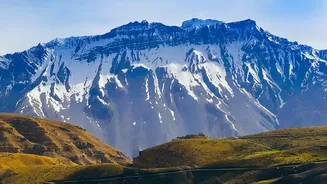
of transition. While days can be sunny and pleasant, temperatures plummet dramatically after sunset, often nearing or dipping below freezing. This is also when the high passes, particularly Kunzum and Rohtang, see their first spells of snowfall, making them unpredictable. Services begin to wind down, with many camps and smaller guesthouses closing by mid-October in preparation for the harsh winter.
Route Planning: Shimla vs. Manali
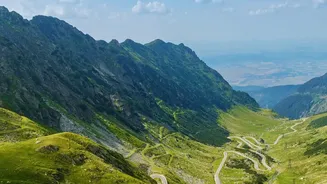
You can enter Spiti Valley via two main routes: from Shimla via Kinnaur, or from Manali via the Atal Tunnel and Kunzum Pass. For an autumn trip, the Shimla-Kaza road is the more reliable choice. This route remains open for most of the year and provides a gradual ascent, which is crucial for acclimatisation. The Manali-Kaza highway, while shorter, involves crossing the formidable Kunzum Pass (4,551 metres). This pass can close with very little warning from mid-October onwards due to snow. If you are travelling in late October or November, the Shimla-Kaza-Shimla circuit is the only viable option. If you are travelling in September or early October, you can attempt the full circuit, entering from Shimla and exiting via Manali, but always check the road status daily.
Mastering High-Altitude Health (AMS)
Acute Mountain Sickness (AMS) is a serious risk in Spiti, where you will be consistently above 3,500 metres. It is caused by ascending too quickly without giving your body time to adjust to lower oxygen levels. Symptoms include persistent headaches, nausea, dizziness, and fatigue. The best prevention is gradual ascent, which is why the Shimla route is recommended. Stay aggressively hydrated by drinking 3-4 litres of water daily, eat carbohydrate-rich meals, and avoid alcohol for the first few days at altitude. If you experience moderate AMS symptoms, the only cure is to descend to a lower altitude immediately. For medication like Acetazolamide (Diamox), it is essential to consult a doctor before your trip, as it is not suitable for everyone.
The Essential Autumn Packing List
Packing for Spiti in autumn is all about layering. The temperature can swing wildly from a warm afternoon to a freezing night. Your packing list must include thermal innerwear, a fleece jacket for insulation, and a windproof and waterproof outer jacket. Woollen socks, gloves, and a beanie or balaclava are non-negotiable for evenings and early mornings. The sun is extremely harsh at this altitude, so high-SPF sunscreen (SPF 50+), UV-protection sunglasses, and lip balm are critical to prevent sunburn and chapped lips. Sturdy, comfortable shoes with good grip are also a must. Many smaller shops will be closed, so carry all necessary toiletries and personal items with you.
Vehicle Prep and Required Documents
Ensure your vehicle is in top condition. While a 4x4 is not strictly necessary for the Shimla-Kaza route in good weather, a vehicle with high ground clearance is highly recommended, especially for the rough patches and potential water crossings. Always carry a basic toolkit, a puncture repair kit, and consider carrying extra fuel, as petrol pumps are scarce between Reckong Peo and Kaza. As for paperwork, Indian nationals do not require an Inner Line Permit (ILP) for the standard Spiti circuit. However, you must carry a valid government-issued photo ID (like an Aadhaar card or driving license) for registration at various police checkpoints, such as those at Jangi and Sumdo. Always keep your vehicle's registration, insurance, and PUC certificate handy.