



The Invisible Intruder: What is Fine Dust?
When we talk about fine, microscopic dust, we're primarily referring to particulate matter, or PM2.5. These are incredibly small particles, measuring 2.5 micrometres or less in diameter—about 30 times smaller than a human hair. Because they are so tiny
and lightweight, they can stay suspended in the air for long periods and travel deep into our respiratory system when inhaled. This dust isn't just dirt; it's a complex mix of soot, smoke, liquid droplets, and pollutants from vehicle exhaust, industrial emissions, construction, and even cooking. While you can't see them, these particles are the main culprits behind the health risks associated with air pollution.
Beyond the Window Frame: How Dust Gets In
Even with windows and doors shut, a significant amount of outdoor pollution can infiltrate our homes. Studies show that a substantial portion of indoor PM2.5 comes from outside, seeping in through pathways you might not expect. No home is perfectly sealed. Air leaks through tiny, often invisible gaps and cracks around window frames, door seals, utility pipe fittings, electrical outlets, and ventilation systems. This process, known as infiltration, is driven by wind and differences in air pressure and temperature between the inside and outside. This means that even on a day when you've kept everything closed, the polluted air from a busy street can still make its way into your living space, where it becomes trapped and can accumulate.
The Health Cost of Indoor Pollution
The health implications of long-term exposure to PM2.5 are well-documented. Because these particles are small enough to bypass the body's natural defences, they can penetrate deep into the lungs and even enter the bloodstream. This can lead to a range of health issues, from short-term irritation of the eyes, nose, and throat to more severe chronic conditions. Exposure is linked to the worsening of asthma and other respiratory diseases, and can increase the risk of heart disease, stroke, and other serious illnesses. Children, the elderly, and individuals with pre-existing heart or lung conditions are particularly vulnerable to these effects.
Your Action Plan for Purer Air
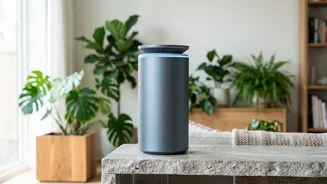
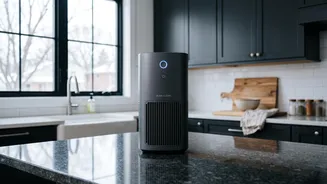
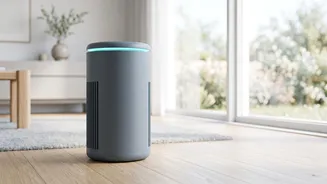
Completely eliminating dust is impossible, but you can take several effective steps to significantly reduce its presence in your bedroom and home. Start by identifying and sealing air leaks. Check for gaps around window and door frames and use weatherstripping or caulk to seal them. This simple measure can reduce the amount of outdoor pollution that infiltrates your home. Investing in an air purifier with a True HEPA filter is one of the most effective ways to capture microscopic particles already inside your home. Unlike standard filters, HEPA filters are designed to trap 99.97% of particles as small as 0.3 microns, which includes PM2.5. Regular cleaning habits also make a huge difference. Instead of dry dusting, which can just stir particles back into the air, use a damp cloth or wet mop to capture dust. Vacuuming frequently, especially with a vacuum that has a HEPA filter, will help remove dust from carpets and upholstery where it tends to settle. Finally, be mindful of indoor pollution sources like cooking fumes, incense, and aerosol sprays, and ensure good ventilation when using them.