




From a Full Closet to a Functional Wardrobe
Many of us fall into a cycle of impulsive shopping, buying items that look good on a mannequin or were on sale, only to have them gather dust. The problem is often a disconnect between the clothes we buy and the life we actually lead. A strategic purchase
list begins not in a store, but in your own closet. By conducting a 'wardrobe autopsy' and identifying which pieces fail to serve you, you can diagnose your buying habits and prescribe a better approach. This process transforms your closet from a collection of random purchases into a cohesive, functional system where every piece has a purpose.
Step 1: Conduct an Honest Wardrobe Audit
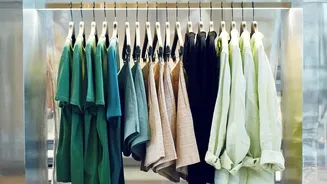
Begin by taking everything out of your closet. Yes, everything. Sort items by category: tops, trousers, dresses, outerwear, and so on. This gives you a clear visual inventory of what you own. As you handle each piece, be ruthless in your assessment. A simple method is the hanger trick: turn all your hangers one way, and when you wear an item, turn its hanger the other way. After a few months, you'll have a clear visual cue of what you never reach for. These untouched items are your primary subjects for analysis. Create piles for 'keep', 'donate/sell', and 'maybe'. The goal is to isolate the garments that represent your purchasing mistakes.
Step 2: Diagnose the 'Why' Behind Each Failure
Now, focus on the 'donate' and 'maybe' piles. For each item, ask yourself a critical question: Why did this fail? The reasons are often simple but revealing. Does it physically not fit or is it uncomfortable, made of an itchy or non-breathable fabric? Perhaps the colour doesn't flatter you, or it was a trend-driven purchase that now feels dated. Another common issue is the 'wardrobe orphan'—a beautiful piece that matches nothing else you own. Or maybe the item simply doesn't fit your real-life activities; a closet full of formal dresses when your life is mostly casual is a classic example of buying for a fantasy lifestyle. Write down the reason for each failure. Be specific.
Step 3: Identify Your Patterns of Failure
Once you have diagnosed individual items, group them by their reason for failure. This is where the powerful insights emerge. You might discover you consistently buy cheap, trendy tops that fall apart, or that you are drawn to a particular silhouette that doesn't actually work for your body shape. Perhaps you own five grey sweaters but no versatile trousers to wear with them. These patterns are your personal shopping pitfalls. Recognizing them is the most crucial step toward breaking the cycle of wasteful spending. You are not just decluttering clothes; you are decluttering bad habits.
Step 4: Create Your New Shopping Rules
Your patterns of failure directly inform your new rules for shopping. Translate your findings into a set of personal guidelines. For example, if you identified that synthetic fabrics always feel uncomfortable, your new rule is 'no more polyester blouses'. If you have a collection of 'wardrobe orphans', your rule might be, 'I will not buy an item unless I can style it with at least three things I already own'. If your closet is full of clothes for a life you don’t lead, your rule is to focus on versatile basics that suit your actual daily routine. These rules aren't meant to restrict you but to empower you to make intentional choices.
Step 5: Build a Strategic Purchase List
With your new rules in place, you can finally build a shopping list. This list should not be a vague collection of wants, but a strategic document that fills the specific gaps you've identified in your wardrobe. Instead of writing 'new top', your list should say, 'a white, long-sleeved cotton t-shirt to wear with my jeans and navy blazer'. Prioritise foundational pieces that will make your existing 'keep' pile more versatile. Think classic trousers, a quality jacket, or neutral layering pieces. This list becomes your defence against impulse buys and sale-season traps, ensuring every new item you bring home is a solution, not another problem.