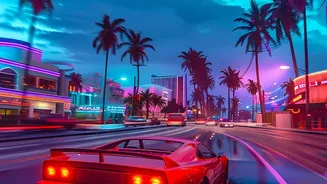

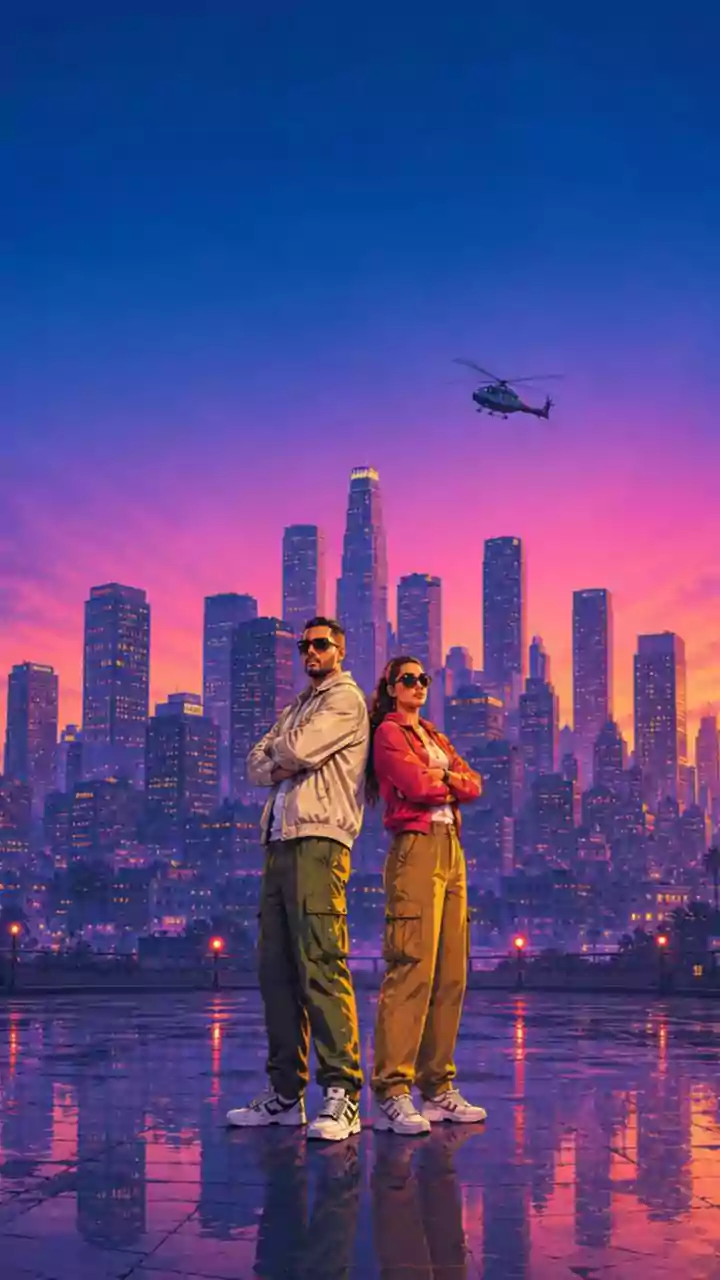


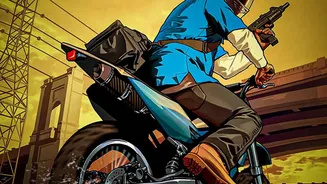

The biggest entertainment launch in history is here, and its impact is being felt far beyond the digital streets of Vice City. As millions of players dive into Grand Theft Auto VI, a secondary boom is hitting Miami’s actual streets.
The Billion-Dollar Couch Economy
After a 13-year wait,
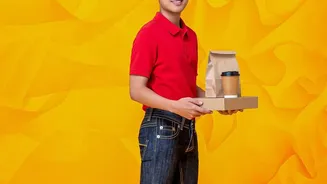
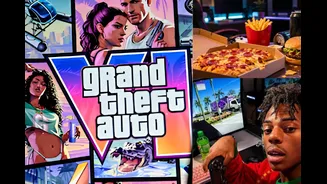
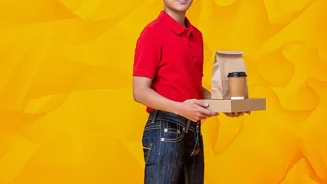
the release of Grand Theft Auto VI on November 19 was less a product launch and more a global cultural event. With Rockstar Games reporting an estimated $3.79 billion in worldwide retail sales on its first day, it has been dubbed the biggest entertainment launch in history. But as millions of players settled onto their couches for marathon sessions, a predictable, real-world need emerged: they all got hungry. This collective decision to play rather than cook has ignited a significant surge for food delivery services across the United States. Analysts predicted that the game's release month could drive more than 50 million additional visits to U.S. delivery and restaurant apps. Early data shows they were right. It's a prime example of how a massive digital event can create a powerful, tangible economic ripple effect, benefiting businesses that have nothing to do with video game code.
Miami's Vice City Connection
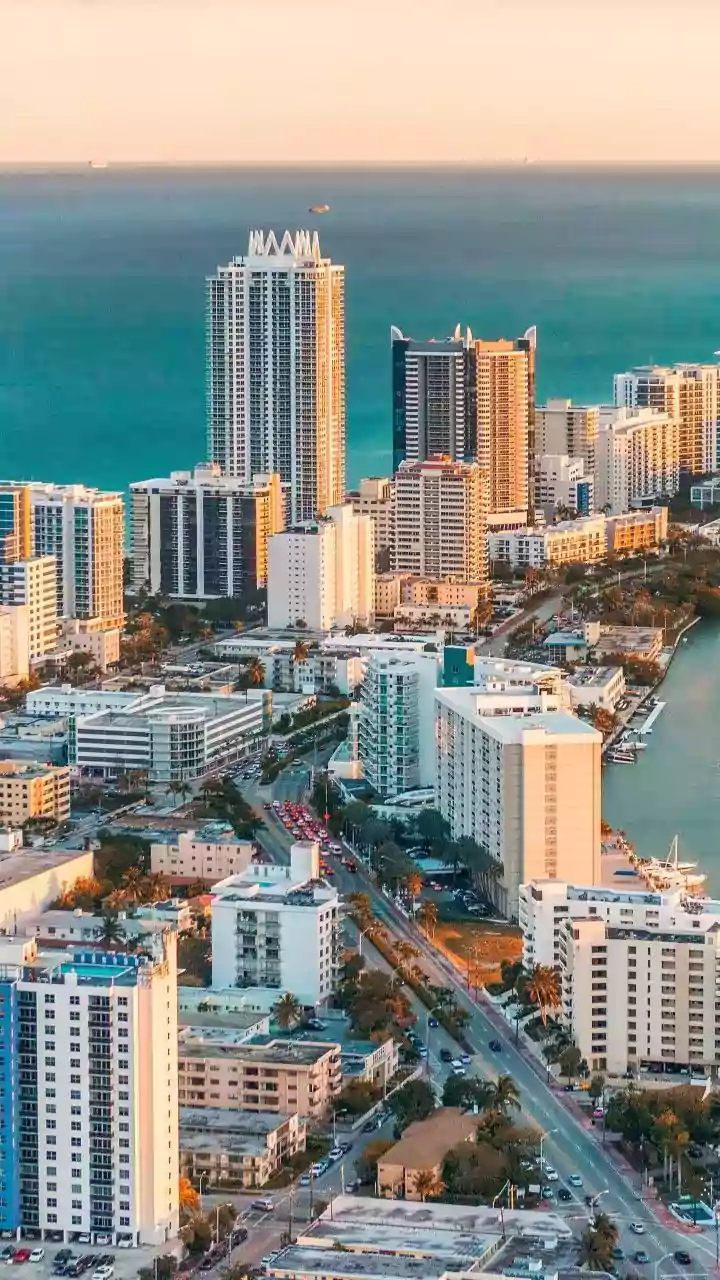
Nowhere is this phenomenon more pronounced than in Miami, the real-world inspiration for GTA's iconic Vice City setting. Delivery platforms have reported a dramatic spike in the city. Uber Eats saw orders placed between midnight and 5 a.m. on launch night jump by over 30% compared to previous weeks. DoorDash reported a similar late-night increase of nearly 25% in the Miami market, with cities like Philadelphia and Detroit also seeing double-digit growth. It wasn't just prepared meals; orders for energy drinks, chips, burgers, and pizza all climbed by over 10%. This surge highlights a unique connection where the game's digital tourism to a fictionalized Miami is fueling the actual service economy of the real city. Local businesses, from national chains to neighborhood eateries, are seeing a direct benefit as players immerse themselves in a world based on their own backyard.
Brands Get in on the Action
Savvy businesses didn't just wait for the orders to roll in; they actively courted the gaming audience. Recognizing that gamers often prefer meals that can be eaten one-handed, Uber Eats highlighted deals on items like McNuggets and boneless wings. Several fast-food chains launched promotions specifically tied to the game. Popeyes introduced a limited-time 'Spice City Sandwich', a nod to the game's setting, while Subway offered a 'Vice City Cubano' exclusively in the Miami market. Even McDonald's got creative, enabling McDelivery orders directly through Discord, a popular chat platform for gamers. These marketing moves show a sophisticated understanding of the gaming community, treating the launch not just as a sales opportunity but as a cultural moment to participate in. Delivery platforms also offered discounts, with Grubhub and Uber Eats providing promo codes to keep players fueled.
More Than Just a Game
The GTA VI launch frenzy is a powerful case study in the modern entertainment landscape. An event contained entirely on screens—in homes and on consoles—can cause worker absenteeism to jump and divert millions in consumer spending toward convenience services. The ripple effect goes beyond food, with DoorDash reporting a staggering 450% increase in orders for gaming accessories like controllers and a 440% rise in HDMI cable purchases on launch night. This demonstrates that a sufficiently large cultural event can temporarily remap a local economy. It underscores a growing trend where digital worlds and real-world commerce are no longer separate. For industries from food service to logistics, the biggest moments in entertainment are becoming key dates on the business calendar, proving that you don't need to sell the game to profit from it.