






The Golden Rule: Think Small, Frequent, and Whole
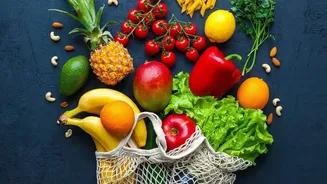
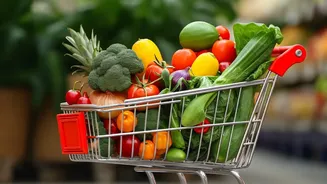
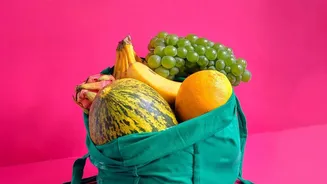
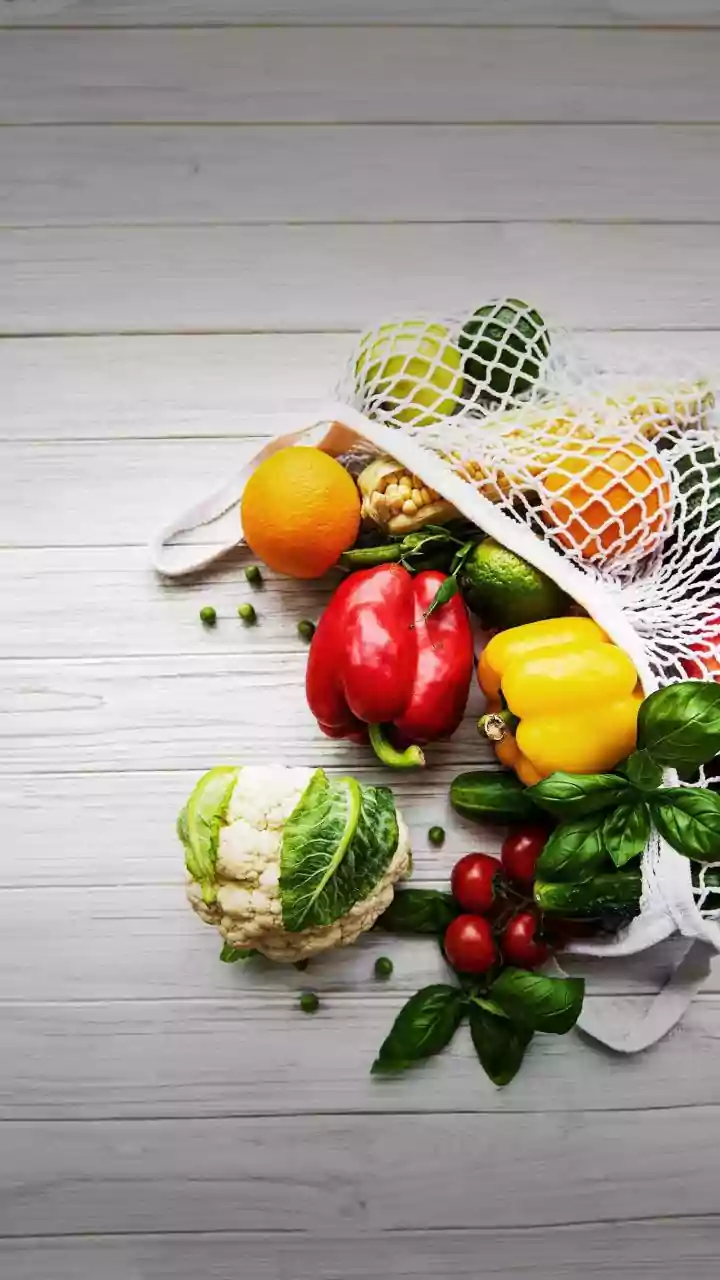
During the monsoon, the guiding principle for fresh produce is to shift your shopping habits. Instead of a large weekly haul, aim for smaller, more frequent trips to the market. High humidity accelerates spoilage, and buying in bulk often leads to waste.
More importantly, choose whole vegetables and fruits over their convenient pre-cut and packaged counterparts. Once a fruit or vegetable's protective outer skin is broken, it loses moisture and its internal tissues are exposed to air and bacteria. This exposure dramatically shortens its shelf life, a problem that is only magnified by the damp monsoon air, which is a perfect breeding ground for microbes. Sticking to whole produce ensures you get maximum freshness and nutritional value.
Leafy Greens: Handle with Extreme Care
Leafy green vegetables like spinach, coriander, and lettuce are particularly vulnerable during the rainy season. Grown close to the ground, they can be laden with dirt and tiny insects, which thrive in the damp conditions. The high moisture content in their leaves makes them a hotspot for bacterial and fungal growth. It's best to buy these in very small quantities, just enough for a day or two. Before use, wash them thoroughly, preferably in a saline or vinegar solution, and cook them well. Avoid using them in raw salads, as even rigorous washing might not eliminate all contaminants. Some experts even suggest avoiding them altogether during the peak of the season.
Cruciferous Vegetables: The Hidden Moisture Traps
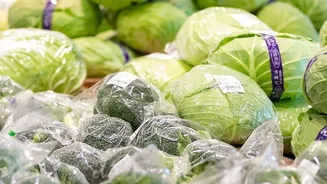
Vegetables like cauliflower, cabbage, and broccoli also require special attention. Their tightly packed florets and layered leaves can easily trap moisture, dirt, and insects, making them difficult to clean properly. These hidden pockets of dampness can lead to rapid decay from the inside out. When purchasing, inspect them carefully for any signs of pests or spoilage. Like leafy greens, it's wise to buy smaller heads and consume them quickly after a thorough cleaning and cooking process. Storing them whole in the refrigerator is better than pre-chopping, which will only introduce more moisture and speed up spoilage.
Fruits: Choose Seasonal and Whole
The convenience of pre-cut fruit platters is tempting, but they are a significant risk during the monsoon. Cut surfaces of fruits like melons, papayas, and pineapples are magnets for bacteria, especially when left exposed to humid air at street-side stalls. Once sliced, the sugars begin to break down, altering the taste and texture while inviting contamination. Instead, opt for seasonal monsoon fruits with thick, intact skins like pomegranates, apples, pears, and plums. Buy them whole and cut them yourself just before eating. This simple step drastically reduces your risk of consuming contaminated food and ensures you enjoy the fruit at its freshest.
Dairy and Proteins: Fresh is Best
Heat and humidity are enemies of dairy and meat products. Milk can spoil quickly, even if pasteurised, once the seal is broken. It is advisable to buy milk in smaller packets more frequently and always boil it before consumption. For products like paneer and curd, homemade is the safest option. If buying, ensure it is from a refrigerated source and smells fresh. Seafood is generally best avoided during the monsoon, as this is the breeding season for many fish, and the risk of water contamination is high. When buying chicken or other meats, purchase from clean, reliable sources and cook it on the same day if possible.
Pantry Staples: The Airtight Exception
While fresh items demand a 'buy-as-you-go' approach, the monsoon is a good time to audit your dry pantry. Items like lentils, pulses, rice, and flour can absorb moisture from the air, leading to mould and pests. Check your existing stock for any signs of dampness. When buying new supplies, consider smaller bags rather than stocking up for months. The most critical step is storage. Invest in good-quality airtight containers to protect your grains, flours, and spices from the pervasive humidity. Adding a bay leaf or a few dried neem leaves to containers of rice or dal is a traditional trick to help keep pests at bay.