





What Is Thermal Sprawl?
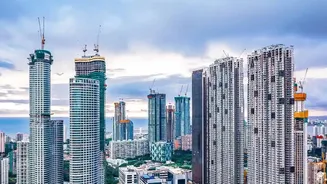
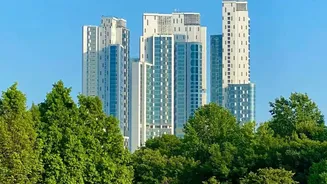
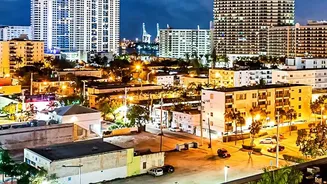
You’ve heard of urban sprawl—the expansion of low-density development. Now, consider 'thermal sprawl'. It’s a related phenomenon where this expansion creates islands of heat. As cities grow outwards, they replace natural, cooling landscapes like fields
and forests with materials that absorb and retain the sun’s energy. Concrete buildings, asphalt roads, and vast parking lots soak up heat all day and then slowly release it throughout the night. This process prevents urban areas from cooling down after sunset, creating what is known as the 'Urban Heat Island' (UHI) effect, where cities can be significantly warmer than their rural surroundings, especially at night. The key isn't just that cities are getting bigger, but that they are sprawling with heat-trapping materials, leading to higher ambient temperatures.
The Secondary City Hot Zone
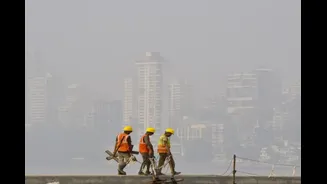
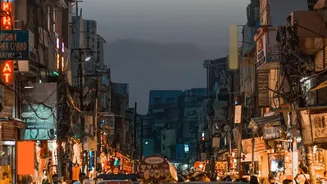
While megacities like Delhi and Mumbai have long been recognised as heat islands, this issue is becoming increasingly critical in India's secondary or Tier-II cities. Places like Pune, Jaipur, Lucknow, and Patiala are experiencing rapid, often unplanned, development. This explosive growth means vast areas of cooling vegetation are quickly paved over. One study noted that sprawling cities experience a significantly higher rate of extreme heat events compared to more compact ones. For families moving to these cities for opportunities, the promise of a better quality of life is being undermined by a degrading local climate. This rapid transformation is creating new microclimates, where newly developed suburbs can be significantly warmer than older, more established parts of the same city that have more mature tree cover.
Why Hotter Nights Wreck Your Sleep
Our bodies are programmed to sleep better in cooler conditions. A natural drop in core body temperature is a key signal that tells our brain it's time to rest. This temperature drop is part of our 24-hour circadian rhythm. When the bedroom is too warm, your body struggles to shed heat, which can delay falling asleep and disrupt the sleep cycle throughout the night. High ambient heat reduces the amount of time we spend in the most restorative stages of sleep—deep sleep and REM sleep. This leaves you feeling groggy and unrested, even if you were in bed for a full eight hours. Humidity makes it even worse, as it prevents sweat from evaporating efficiently, trapping more heat close to your body. The result is a restless night of tossing and turning, directly caused by the overheated environment.
A Growing Crisis for Family Health
This isn't just a matter of comfort; it's a budding public health issue. For families, the consequences of poor sleep are multi-generational. Children are particularly vulnerable; disrupted sleep can affect their mood, concentration in school, and even physical development. Studies have also linked urban heat to a higher incidence of allergies and respiratory conditions in children. For adults, chronic sleep deprivation impacts productivity, mental well-being, and increases the risk of long-term health problems like high blood pressure and diabetes. The elderly and those with pre-existing medical conditions are also at a higher risk, as their bodies are less able to regulate temperature, making them more susceptible to heat stress and related complications.
Designing Cooler, Healthier Cities
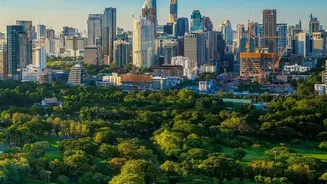
The good news is that the problem of thermal sprawl is man-made, which means it can be addressed with smarter design. Cities can actively combat the UHI effect. Strategies include increasing urban green cover by planting more trees and creating parks, which provide shade and cooling through evapotranspiration. Another effective solution is the use of 'cool' materials, such as reflective or light-coloured roofing and pavements that absorb less heat. Implementing green roofs—covering rooftops with vegetation—can also dramatically reduce surface temperatures. Protecting and restoring urban water bodies is another key measure. These steps aren't just aesthetic improvements; they are critical infrastructure investments for the long-term health and well-being of urban residents.