





What Exactly Is Ambali?
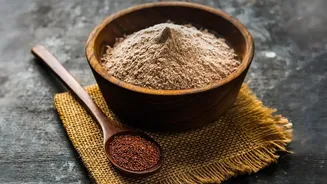
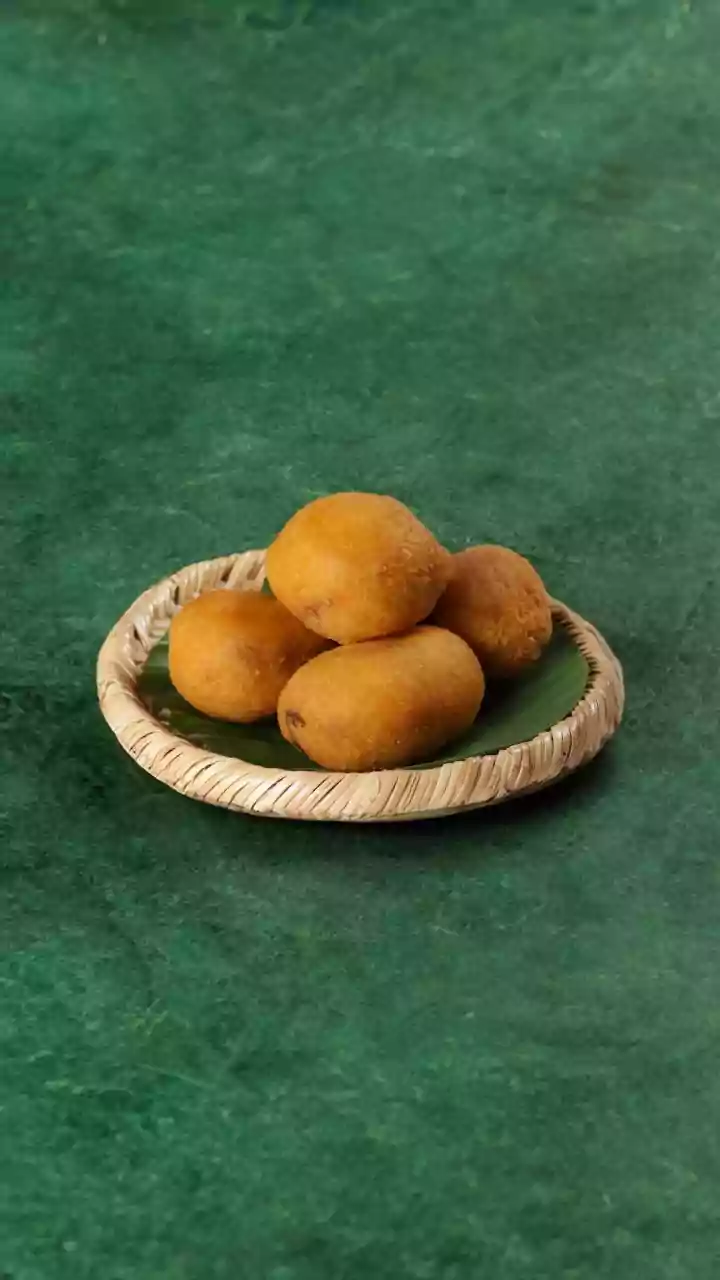
Ambali is a traditional porridge from Southern India, particularly popular in states like Karnataka, Andhra Pradesh, and Telangana. At its core, it's a simple, cooling dish made from finger millet flour, also known as ragi. The process involves cooking
ragi flour with water to form a gruel. What makes it unique is the fermentation; the cooked porridge is often left to sit overnight, which allows it to develop a subtle, tangy flavour. This fermented base is then typically thinned with water or buttermilk and seasoned with salt, and sometimes garnished with chopped onions or herbs, served as a nourishing drink or a light meal. Traditionally a farmer's breakfast and a summer coolant, this dish has sustained rural communities for centuries.
A Gut-Friendly Powerhouse
One of the biggest drivers of Ambali’s newfound fame is its health profile. The fermentation process isn't just for flavour; it turns the porridge into a natural source of probiotics, the beneficial bacteria essential for good gut health. Before probiotic supplements became a wellness trend, fermented foods like Ambali were the original gut support. Scientific studies have noted that fermented ragi porridge is a rich source of these microbes, which can help improve digestion and support a healthy gut microbiome. The fermentation also breaks down certain compounds in the millet, making its rich nutrients more easily absorbed by the body.
The Magic of Millets
Beyond the probiotic benefits, the star ingredient—ragi—is a nutritional champion in its own right. Finger millet is a gluten-free ancient grain packed with nutrients. It is celebrated for having 5 to 30 times more calcium than other cereals, making it excellent for bone health. Ragi is also a fantastic source of iron, protein, and dietary fibre. This high fibre content helps you feel full longer, aiding in weight management, and also helps maintain a healthy digestive system. With a low glycemic index, ragi releases sugar into the bloodstream slowly, which can help in managing blood sugar levels. This impressive nutritional resume makes any dish featuring ragi an easy sell to health-conscious urban consumers.
Nostalgia on the Menu
The appeal of Ambali isn't just about health; it's also about heritage. There is a growing movement among Indian chefs and consumers to reconnect with traditional, heirloom recipes and ancient grains. After decades where staple grains like wheat and rice dominated, many are now looking back to the diverse pantry of their ancestors. For many, Ambali evokes a sense of nostalgia—a taste of a grandmother's kitchen or the simplicity of village life. By placing a dish like Ambali on a modern menu, cafes are tapping into this powerful desire for authenticity and connection to roots. It offers a story and a sense of cultural pride that a generic smoothie bowl simply cannot match.
A Smart Business Move for Cafes
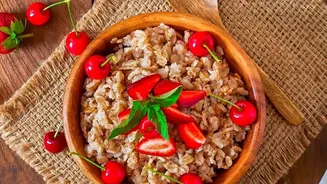
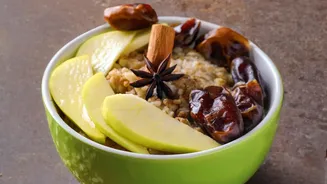
For cafe owners and menu developers, Ambali is a strategic choice. The ingredients are relatively inexpensive and locally available, fitting perfectly with the trend of using sustainable, local produce. Its unique story and health benefits make it highly marketable, especially on social media where food trends thrive. It also allows chefs to innovate, presenting the traditional porridge in modern ways—perhaps as a smoothie bowl base, a savoury soup, or a chilled drink with contemporary toppings. As consumers increasingly move beyond generic Indian fare like butter chicken and seek out more regional, authentic dishes, offering something like Ambali positions a cafe as both culturally aware and forward-thinking.