




The Restroom Is a Revealing Clue
One of the most reliable indicators of a kitchen's cleanliness is the state of its restroom. If the management doesn't prioritize keeping the bathroom clean, well-stocked with soap, and tidy for its customers, it raises questions about the standards they
maintain behind the scenes. An overflowing dustbin, dirty floors, or a lack of soap are significant red flags. Think of it this way: if a public-facing area is neglected, the hidden areas like the kitchen may be treated with the same lack of care.
Observe the Staff’s Appearance and Conduct
The people handling your food are a direct reflection of the restaurant's hygiene policies. Staff should wear clean uniforms, aprons, and appropriate hair restraints like hats or hairnets. Watch to see if they handle ready-to-eat foods with gloves or utensils and avoid touching their face or hair. Proper handwashing is crucial, especially after handling money or cleaning tables. Unkempt staff or employees who appear unwell are signs that management may be lax on critical health and safety protocols.
Inspect Your Table, Menus, and Condiments
Your immediate surroundings offer plenty of information. When you sit down, feel the table. Is it sticky or wiped clean? A sticky surface suggests it was wiped with a dirty cloth or not cleaned properly. Similarly, take a look at the menus. If they are greasy, stained, or falling apart, it shows a lack of attention to detail that likely extends to other parts of the establishment. The same goes for condiment bottles on the table—they should be clean and not crusted with old food.
Trust Your Nose: The Smell Test
When you first walk into a restaurant, take a moment to notice the smell. A well-maintained eatery should smell neutral or like the appealing aroma of cooking food. An unpleasant odour of stale grease, garbage, or harsh cleaning chemicals is a bad sign. Unpleasant smells can indicate poor ventilation, infrequent garbage disposal, or a deeper cleaning issue that could impact food safety. If the air itself feels greasy or stale, it is often a sign of a poorly maintained kitchen exhaust system.
A Glimpse of the Kitchen or Food Counter
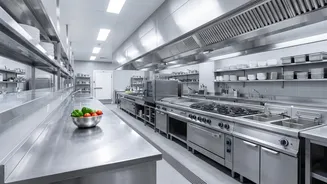
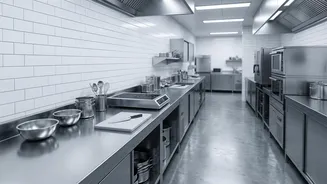
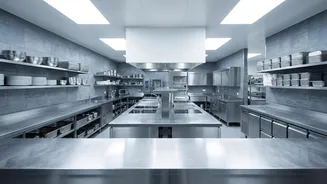
Many modern restaurants feature open kitchens, giving diners a direct view of where their food is prepared. If you can see into the kitchen, look for organized, clean surfaces and floors. Staff should appear calm and systematic. Signs of chaos, dirty surfaces, or food being left out at improper temperatures are causes for concern. For buffet-style restaurants or those with food displays, check that hot food is kept properly hot and cold food is visibly chilled to prevent bacterial growth.
Look for FSSAI Ratings and Pest Problems
The Food Safety and Standards Authority of India (FSSAI) has a voluntary Hygiene Rating Scheme where restaurants can display a rating from one to five stars. A rating of three stars or more is considered good and shows a commitment to hygiene standards. While not mandatory, its presence is a positive sign. Also, be aware of any signs of pests. The presence of flies in the dining area is a major red flag, as it can suggest wider sanitation issues, and recent inspections in Bengaluru have fined establishments for this very reason. Visible pest traps are better than visible pests, but both suggest a potential problem.