

The frantic weeknight scramble of 'What's for dinner?' can drain the joy from evenings. For busy working couples, twice-weekly batch cooking offers a manageable and sustainable solution to reclaim your time and enjoy healthy, home-cooked meals.
Why Twice-Weekly Beats One Big Cook
The idea
of spending an entire Sunday in the kitchen can be daunting. A twice-weekly approach is less overwhelming and yields better results. A big cooking session on Sunday gets you through to midweek, and a shorter session on Wednesday ensures your food for Thursday and Friday is fresh and appealing. This rhythm prevents 'palate fatigue'—the boredom that sets in from eating the same leftovers for five straight days. It also means delicate ingredients aren't left to wilt in the fridge, reducing food waste and ensuring your meals taste their best.
The Sunday Session: Building Your Foundation
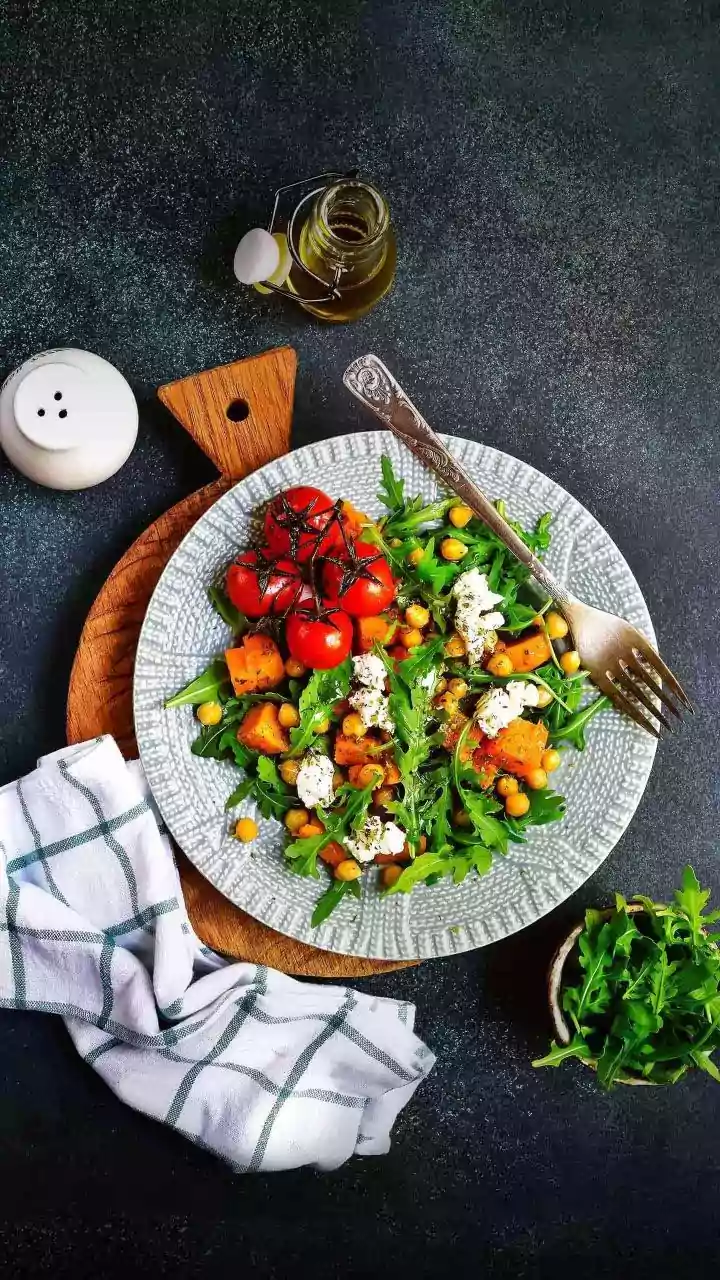
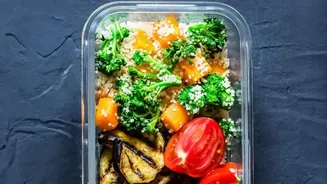
Think of Sunday as your main prep day. This 90-minute to two-hour session is for cooking ingredients that hold up well. Focus on creating versatile components you can mix and match. Good candidates for the Sunday cook include a large pot of grains like quinoa or rice, a sheet pan of roasted root vegetables (carrots, sweet potatoes, broccoli), and a batch of a sturdy protein like grilled chicken thighs, ground turkey, or lentils. You can also prepare a versatile sauce, like a tomato ragu or a chimichurri, to add instant flavour later in the week. This 'modular' approach is more effective than assembling entire meals, which can become soggy.
The Wednesday Top-Up: Keeping It Fresh
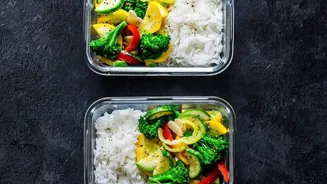
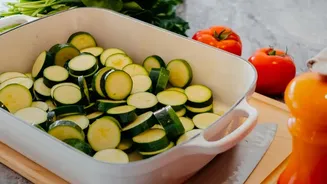
Your mid-week cook should be a quick 30 to 45-minute refresh. This is the time to handle faster-cooking or more delicate items. Think about quick-cooking proteins like fish or shrimp, washing and chopping fresh greens for salads, or stir-frying a mix of fresh vegetables like bell peppers and zucchini. You could also use this time to assemble a soup or chili for the next couple of days. This top-up session ensures that the tail end of your week features meals that are just as fresh and exciting as the start, preventing the temptation of expensive takeaways.
Planning as a Team
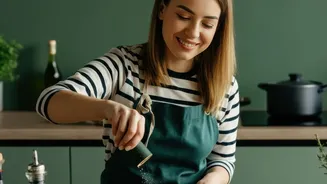
Successful batch cooking for a couple is a team sport. Start by discussing what you both feel like eating for the week. Choose recipes that share overlapping ingredients to make your shopping list more efficient and cost-effective. Once you have a plan, divide the labour. One person can be in charge of chopping vegetables while the other handles the proteins. This collaboration not only speeds up the process but also turns a household chore into quality time spent together, reducing the mental load that often falls on one partner.
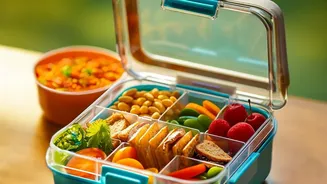
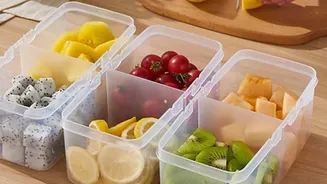
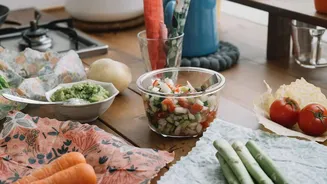
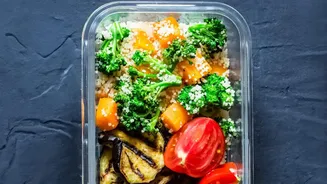
You don't need a professional kitchen, but a few key items make batch cooking much smoother. Invest in a set of high quality, airtight glass containers. They don't absorb odours, reheat food evenly, and are better for the environment. A large pot for soups and stews, a couple of large sheet pans for roasting, and a good food processor for chopping and making sauces will save you significant time. Don't forget to label your containers with the contents and date to keep your fridge organised and avoid mystery meals.
The magic of this system is in the assembly. That batch of roasted chicken from Sunday can become chicken salad for Monday's lunch, get tossed with pasta and your premade sauce on Tuesday, and be the star of flavourful wraps on Wednesday. The cooked quinoa can be the base for a Mediterranean bowl one night and a hearty addition to a soup the next. By keeping sauces and dressings separate until you're ready to eat, you maintain texture and variety, ensuring that you're never bored with your healthy, homeprepped options.