





Understand September’s Weather
September is a transitional month. While the heaviest of the monsoon showers may have passed, the weather remains unpredictable. Regions like Himachal Pradesh and Uttarakhand might still experience heavy rainfall, and the soil is often saturated, increasing
landslide risks. The India Meteorological Department (IMD) often issues advisories for heavy rainfall and thunderstorms in hilly areas during this period. It's crucial to understand that even if a full day of rain is unlikely, short, intense spells can still destabilise slopes and cause flash floods in low-lying areas. This makes checking forecasts not just a suggestion, but a necessity.
Choose Your Destination Carefully
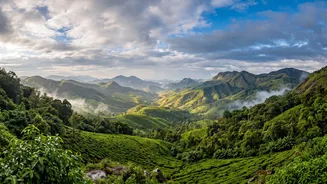
Not all hill stations carry the same level of risk in September. Areas that are notoriously prone to landslides, especially those connected by a single highway like routes in Sikkim or parts of Himachal and Uttarakhand, require extra caution. Consider destinations in the rain-shadow regions or those with better road infrastructure. Before booking, research the specific conditions of your chosen destination. Check state disaster management websites and local news for recent reports on road conditions and weather warnings. For instance, while Munnar in Kerala is beautiful post-monsoon, it's also a region where heavy rains can trigger landslides, so staying informed is key.
Master Pre-Trip Monitoring
Your safety planning should begin well before you pack your bags. In the days leading up to your trip, make it a habit to check daily weather forecasts from a reliable source like the IMD. Pay close attention to any 'Orange' (be prepared) or 'Red' (take action) alerts for your route and destination. Use official resources like the NHAI helpline (1033) for real-time updates on national highway conditions. It's also wise to have a couple of buffer days in your itinerary. This flexibility allows you to delay your journey or stay put if a road closes or weather conditions become too dangerous, without derailing your entire trip.
Pack for Every Possibility
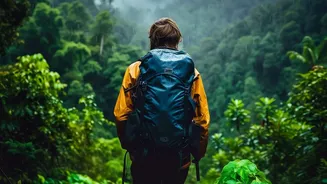
Your packing list for a September hill trip should prioritise safety and comfort in wet, cool conditions. Essential items include a reliable waterproof jacket, an umbrella, and footwear with excellent grip to handle slippery paths. Choose quick-drying clothes over heavy cottons. Given the possibility of road closures or power cuts, a fully charged power bank, a first-aid kit with essential medicines for common ailments like colds and stomach upsets, and offline maps downloaded on your phone are non-negotiable. Also pack mosquito repellent, as the post-monsoon season can see an increase in mosquitoes.
Drive with Extreme Caution
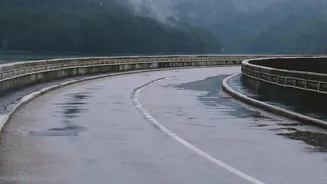
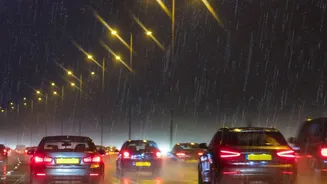
If you are driving, your vehicle and your technique must be adapted for the hills. Before starting, ensure your car's tyres have adequate tread (at least 3mm is recommended for wet roads), brakes are responsive, and wipers are in perfect condition. On the road, reduce your speed significantly and increase the following distance to at least 4-6 seconds. Avoid driving on ghat roads after dark, as visibility drops and it becomes harder to spot debris or damaged road edges. When going downhill, use a lower gear for engine braking to avoid overheating your brakes. Always give way to vehicles travelling uphill. Be vigilant for signs of a fresh landslide, such as falling rocks or mud on the road, and never attempt to cross a road that looks unstable.
Stay Alert at Your Destination
Once you've arrived, the need for vigilance doesn't end. Listen to advice from local residents and hotel staff about which areas are safe to visit. They will have the most current information on trail conditions and potential hazards. Avoid being overly adventurous; stick to well-trodden paths and avoid trekking or driving on unpaved roads, which can be treacherous when muddy. Always have a backup plan. If the weather turns severe, be prepared to alter your sightseeing plans for indoor activities. The goal is to enjoy the beauty of the hills without taking unnecessary risks.