







More Than Just a 'Rainy Day' Fund
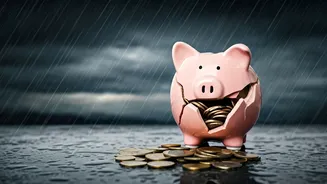
For years, financial advice about saving for a 'rainy day' felt like a dusty, abstract concept. It was something our parents talked about, often in the same breath as finishing the food on our plate. But recent years have brought the storm, not just a drizzle.
The global pandemic, widespread layoffs, and persistent inflation have transformed the idea of an emergency fund from a 'nice-to-have' into a non-negotiable financial foundation. It’s no longer just for a leaky roof or a car repair. Today, an emergency fund is your defence against job loss, a sudden medical crisis, urgent family needs, or any major income disruption that could otherwise send your life into a tailspin. It's the financial cushion that allows you to make decisions out of choice, not desperation.
Why Is This a Trend Now?
Several factors are driving this renewed focus. First, the shared trauma of the COVID-19 pandemic exposed the financial fragility of many households. People who seemed to be doing well were suddenly struggling, proving that a steady salary is no guarantee of security. Second, millennials and Gen Z, who have entered a workforce marked by economic volatility, are prioritising stability differently than previous generations. They are often more focused on building resilience and reducing financial anxiety than on traditional markers of wealth. This mindset shift is amplified by social media, where financial influencers and educators are making conversations about money—including the importance of a safety net—more mainstream and accessible. The trend is less about deprivation and more about empowerment; it’s about buying yourself freedom from worry.
The 3-6-9 Rule: How Much Do You Need?
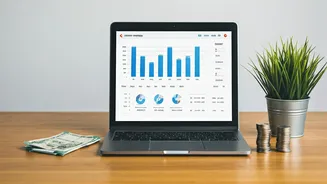
The most common question is: how much is enough? A popular rule of thumb is to have at least three to six months' worth of essential living expenses saved. To calculate this, track your 'must-have' monthly costs: rent/EMI, utilities, groceries, insurance premiums, and transportation. Exclude discretionary spending like dining out, entertainment, or shopping. If your essential expenses are ₹50,000 per month, your target is between ₹1.5 lakh and ₹3 lakh. The exact amount depends on your personal situation. If you are in a stable job with a dual-income household, three to six months might suffice. However, if you are a freelancer, a single-income earner, or in a volatile industry, aiming for nine to twelve months of expenses provides a much stronger safety net.
Where to Keep Your Emergency Cash
The two most important features of an emergency fund are safety and liquidity. This means the money should be protected from market losses and accessible at a moment's notice. Keeping it in your regular savings account is an option, but it can be too tempting to spend. Better options include: 1. **High-Yield Savings Accounts:** Some banks offer slightly higher interest rates on accounts with a certain minimum balance. 2. **Liquid Mutual Funds:** These are debt funds that invest in very short-term instruments. They offer better potential returns than a savings account and are highly liquid, with money usually credited to your bank account in a day. 3. **Short-Term Fixed Deposits (FDs):** You can create a 'ladder' of FDs with varying maturities (e.g., 30, 60, 90 days) to ensure some portion of your fund is always accessible without a major penalty. Crucially, your emergency fund should NOT be in stocks, equity mutual funds, or locked-in assets like property or PPF. The goal here isn't high returns; it's immediate, reliable access when you need it most.
How to Start Building Without the Stress
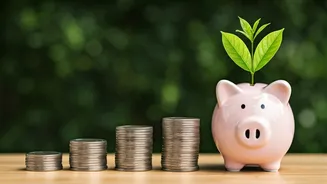
The idea of saving lakhs can feel overwhelming, but you don't have to do it overnight. The key is to start. Begin by setting a small, achievable goal, like saving for one month's expenses. Automate a fixed amount, no matter how small, from your salary account to your emergency fund account every month—this 'pay yourself first' strategy is incredibly effective. Whenever you receive a windfall like a bonus, a tax refund, or a gift, dedicate a significant portion of it to your emergency fund. Even redirecting the money from one cancelled subscription or a habit you've cut back on can help you build momentum. The progress will motivate you to continue.