


The Tick and Flea Invasion
The rainy season is peak time for ticks and fleas. The warm, humid weather creates an ideal breeding ground for these parasites in grassy and wooded areas. These pests are not just an itchy nuisance; they can transmit serious illnesses like tick fever.
Your pet is most likely to pick them up during walks, even brief ones. Daily checks are crucial, especially after your pet has been outdoors. Carefully inspect their entire body, paying close attention to areas where ticks love to hide, such as in and around the ears, under the collar, between the toes, and near the tail base.
The Menace of Fungal Infections
Constant dampness is the primary cause of fungal and bacterial skin infections during the monsoon. A coat that remains wet for extended periods, combined with high ambient humidity, allows fungi like ringworm and yeast to thrive. This is especially problematic in skin folds, between paw pads, and for dogs with thick coats. Telltale signs include persistent itching, redness, flaky skin, hair loss, and a foul odour from the coat. Hot spots, which are painful, inflamed patches of skin, also become more common.
Gut Health and Water Woes
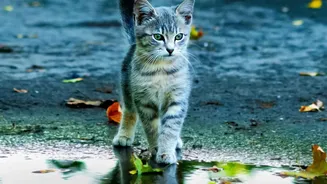
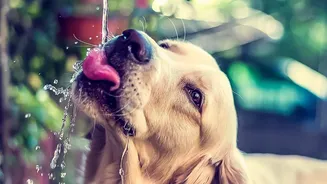
During the monsoon, puddles of stagnant water become a common sight, and they are often teeming with harmful bacteria and parasites. Pets drinking from these contaminated sources are at high risk for gastrointestinal infections, which can cause vomiting and diarrhoea. One of the most severe threats is leptospirosis, a dangerous bacterial disease spread through the urine of infected animals that contaminates standing water. It is crucial to prevent your pet from drinking from puddles and to always provide fresh, clean drinking water at home, which should be changed frequently as bacteria multiply faster in humid weather.
A Proactive Prevention Plan
Prevention is the cornerstone of monsoon pet care. Your primary goal is to combat moisture. Always dry your pet thoroughly with an absorbent towel after every walk, paying special attention to their paws, belly, and ear folds. For pets with long or thick fur, a blow dryer on a low, cool setting can ensure the undercoat is completely dry. Brushing your pet's coat daily helps to remove dirt, prevent matting, and allow air to circulate. This is also a good time to maintain a consistent, vet-recommended tick and flea prevention program. Keeping their bedding clean and dry is also essential, so wash it more frequently.
Essential Paw and Ear Care
Paws and ears are particularly vulnerable during the rainy season. Paws are in constant contact with wet, muddy surfaces, making them prone to infection. Clean and dry their paws after every walk, checking for any cuts or irritation between the pads. Trimming the fur between the toes can help reduce moisture buildup. Ears, especially floppy ones, can trap moisture, leading to painful ear infections. Check their ears regularly for any redness, discharge, or unpleasant smell, and clean them as advised by your veterinarian.
Adjusting Routines for Rainy Days
Simple adjustments can make a big difference. Opt for shorter, more frequent walks during dry spells rather than one long walk in the rain. Investing in a pet-friendly raincoat can help keep your dog substantially drier. Since outdoor activity may be limited, keep your pet engaged with indoor games and activities to keep them stimulated. Don't over-bathe your pet, as this can strip their skin of its natural protective oils; a bath every two to three weeks is generally sufficient during this season, unless they get excessively dirty.