




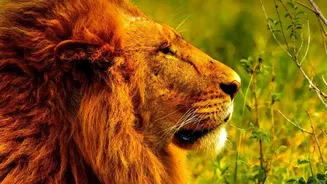
A Fragile Triumph
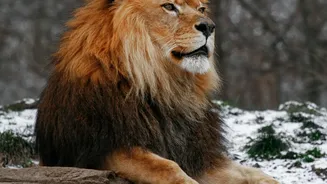
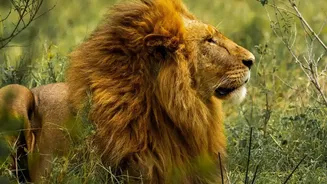
The conservation of the Asiatic lion is one of India’s most celebrated wildlife successes. From a perilous low of just a few dozen individuals in the early 20th century, the population has rebounded dramatically. The 2025 census recorded an impressive
891 lions across Gujarat's Saurashtra region. But this success carries a significant risk. With the entire population concentrated in and around the Gir landscape, the lions are dangerously vulnerable to a single catastrophic event, such as a disease outbreak or a natural disaster. Experts have long warned that putting all of India's lions in one basket is a gamble. A canine distemper virus outbreak in 2018, which killed several lions, was a stark reminder of this vulnerability, accelerating the decades-long call to establish a geographically separate, second population.
Why Barda Was Chosen
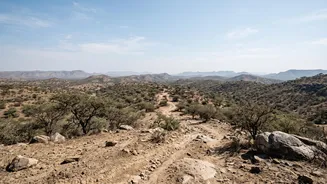
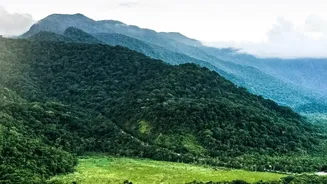
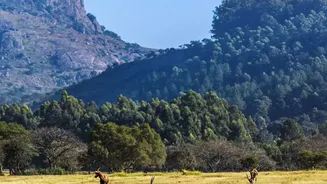
After years of debate and consideration of various sites, the Barda Wildlife Sanctuary has officially been identified as the second home for Asiatic lions. Located about 100 kilometres from Gir, the 192-square-kilometre sanctuary was a former private hunting reserve for the princely states of Porbandar and Jamnagar before being declared a protected area in 1979. The selection is strategic. Barda's hilly, dry deciduous forests and scrublands closely resemble the terrain of Gir, making it an ideal habitat. Its relative proximity allows for managed translocation and natural dispersal, while still being far enough away to act as a buffer against localised disasters. The 'Project Lion' initiative, launched by the Government of India, has formally designated Barda as a key satellite population site, paving the way for focused conservation efforts.
Paving the Way for a New Pride
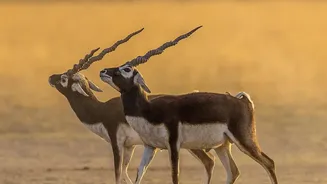
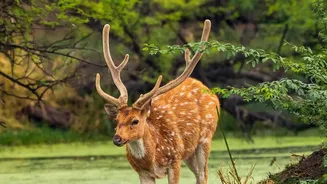
Preparing Barda for its new residents is a meticulous process. A key focus is on increasing the prey base to ensure the lions have enough natural food sources. A low prey density could otherwise lead to increased human-wildlife conflict. To address this, authorities have been actively translocating hundreds of herbivores, such as chital (spotted deer) and sambar, from Gir into Barda using specialised techniques. This effort isn't new; captive breeding and release of prey animals have been ongoing since 2007. The plan, as outlined under Project Lion, involves translocating an initial group of around 40 adult and sub-adult lions to establish a founder population. This began with the natural dispersal of a lone male into Barda in January 2023, followed by the planned translocation of several females. By October 2026, a small but growing pride of 17 lions was reported in the sanctuary.
Challenges on the Horizon
The establishment of a new lion population is not without its challenges. One major concern is ensuring the sanctuary can support the target population, as some earlier reports suggested Barda's carrying capacity might be limited. The most significant hurdle, however, is managing the human-animal interface. The areas surrounding Barda are home to pastoral communities like the Maldharis and Rabaris, whose livelihoods depend on livestock. To prevent conflict, Project Lion includes provisions for community involvement and incentivised voluntary relocation from within the sanctuary's core. Furthermore, some experts question whether Barda is geographically distant enough from Gir to fully protect against fast-spreading epidemics, pointing to the continuous presence of livestock and feral animals in the landscape between the two forests.