



Why Rain Can Be Too Much of a Good Thing
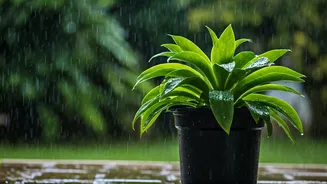
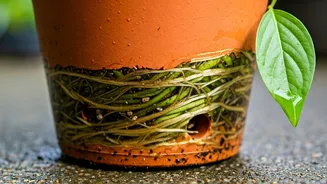
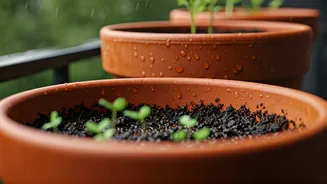
Plants need water to survive, but they also need to breathe. Their roots absorb oxygen from tiny air pockets in the soil. During the monsoon, relentless rain can saturate the soil completely, filling these pockets with water. When a pot has no drainage
hole, this excess water has nowhere to go. The roots are essentially submerged, unable to access oxygen. This condition, known as waterlogging, creates an anaerobic environment, suffocating the roots. Within a few days, this leads to root rot, a fungal disease that quickly turns healthy roots into a brown, mushy mess. By the time you notice the leaves turning yellow and droopy, the damage below the surface is often severe.
The Problem with Pretty, Hole-less Pots
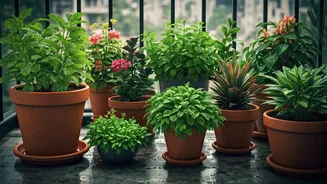
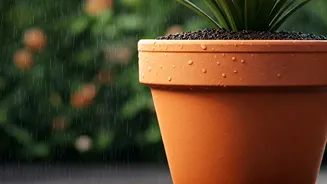
We've all been tempted by them. Sleek, minimalist ceramic planters, colourful metal pots, and decorative cachepots that look perfect in a modern home. Their biggest flaw? A complete lack of drainage. These pots are often designed with indoor aesthetics in mind, meant to be used as a decorative cover (a 'cachepot') for a functional, less attractive plastic pot that sits inside. However, many people plant directly into them, especially for balcony or outdoor gardens. In the dry season, you can control the watering. But during the monsoon, nature takes over. Your beautiful pot becomes a miniature bucket, collecting rainwater day after day and slowly drowning the plant within it. Aesthetics should never come at the cost of a plant's fundamental needs.
The DIY Solution: Drilling for Drainage
The good news is that most pots can be modified. If you have a pot without a hole, you can often add one yourself. For plastic or fibre pots, a standard power drill with a regular bit will work easily. Start with a small pilot hole and then widen it. For terracotta or ceramic pots, the process requires more care to avoid cracking. You’ll need a specialised masonry or tile drill bit. Apply masking tape to the spot you want to drill to prevent the bit from slipping. Start slowly and apply steady, gentle pressure. Do not force it. It’s always best to drill from the outside in. If you're not comfortable using a power drill, many local nurseries or potters will happily drill a hole for you for a nominal fee. One large central hole or a few smaller ones are essential.
Elevate Your Drainage Game
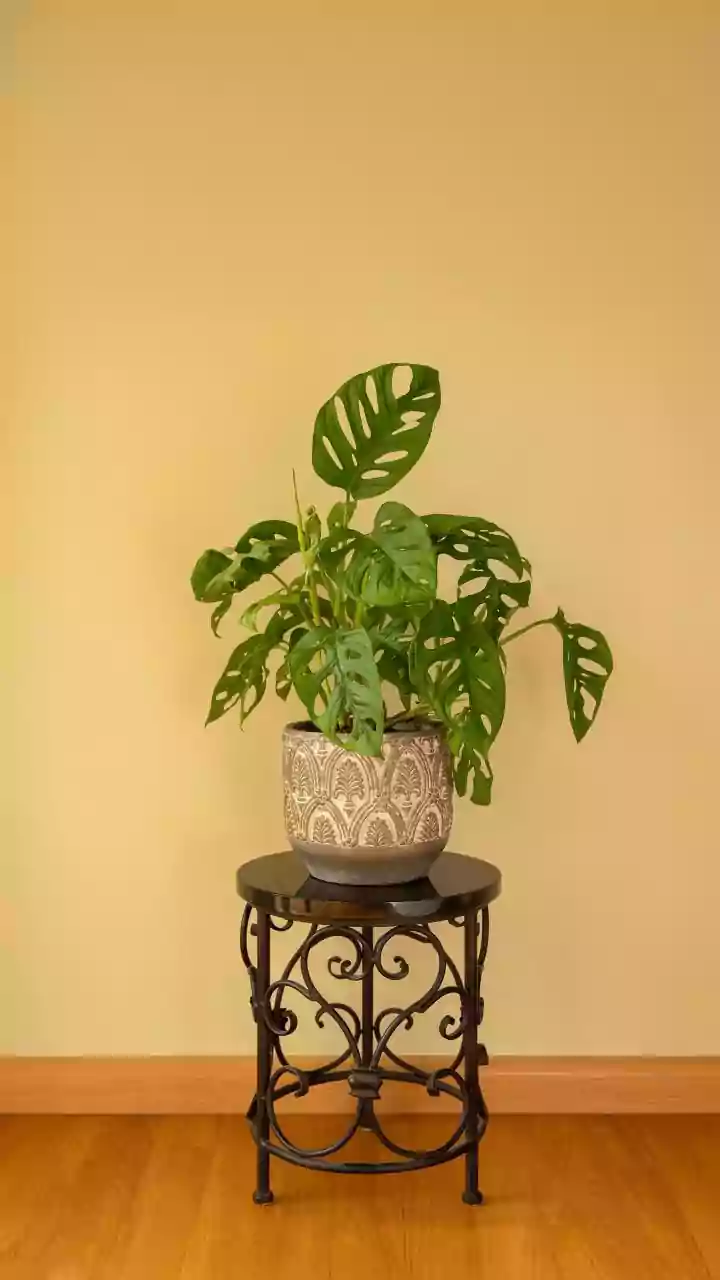
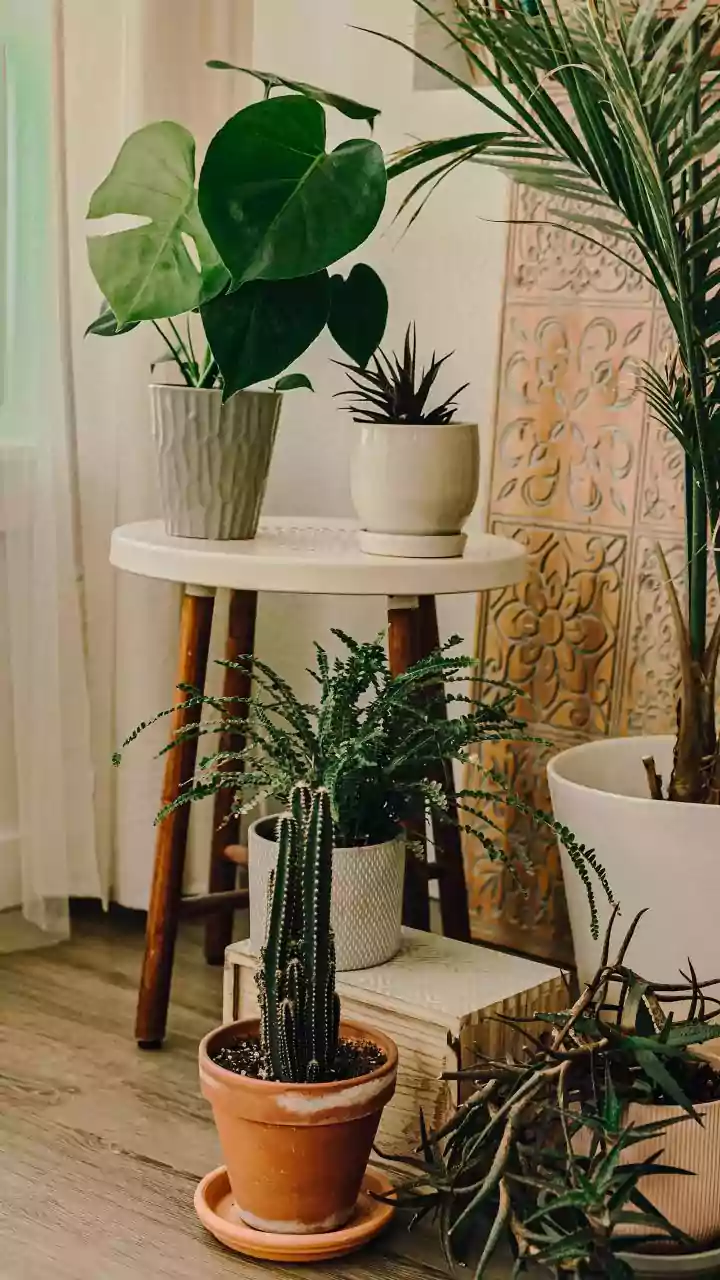
A hole is the first step, but you can do more to ensure your plants thrive. First, never let your pot sit flush against a flat surface. This can block the drainage hole. Use 'pot feet' or place the pot on a stand or a couple of bricks to lift it slightly, allowing water to escape freely and air to circulate. Second, rethink your potting mix. Heavy garden soil or cocopeat alone can retain too much moisture. For the monsoon, use a well-aerated mix. A good combination is one part soil, one part compost, and one part perlite or coarse sand. This creates a lighter, fluffier medium that water can pass through easily, preventing the soil from becoming a dense, waterlogged brick.
Spotting the Signs of Waterlogging
Learning to recognise the symptoms of overwatering is crucial for a plant parent. The most common sign is yellowing leaves, especially the lower ones, which may feel soft and limp. The plant might look wilted, which can be confusing because wilting is also a sign of underwatering. The key difference is the soil: if the plant is wilting but the soil is damp to the touch, overwatering is the culprit. Other red flags include stunted growth, leaf drop, and a musty or sour smell coming from the soil, which indicates root rot has already begun. You might also see a layer of green mould or fungus forming on the topsoil.