




Start with a Water-Resistant Foundation
Your first line of defense is your main bag. While very few backpacks are truly 100% waterproof due to seams and zippers, many are made with water-resistant materials that can handle a light shower. For monsoon conditions, this is not enough on its own,
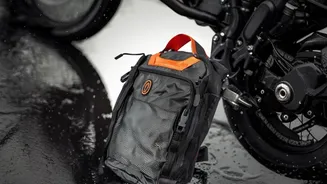
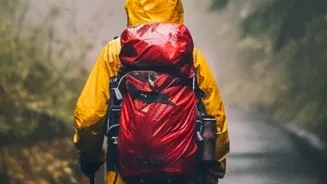
but it's a crucial starting point. When choosing a bag, look for one made of durable, water-repellent fabric. More importantly, ensure it comes with a dedicated rain cover. A good rain cover is easy to pull on quickly and should cinch tightly around your entire pack, providing an essential outer shield against a downpour. This combination of a water-resistant bag and a reliable cover creates a strong initial barrier.
Master the Art of Internal Layering
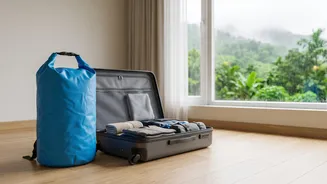
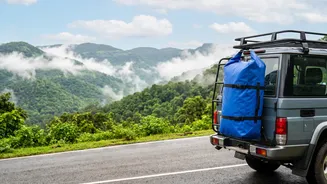
The single most effective strategy to monsoon-proof your gear is layering your protection. Never assume your main backpack will stay completely dry. Instead, compartmentalize your belongings inside using waterproof bags. Dry bags are specifically designed for this purpose. They feature a roll-top closure that creates a genuine watertight seal, which is far more effective than a standard zipper. Use larger dry bags for clothes and smaller ones for important items. Packing cubes, especially water-resistant versions, are also excellent for separating wet or damp clothes from your dry ones, preventing moisture and odours from spreading through your entire bag. This method ensures that even if the outer bag gets damp, your essentials remain perfectly dry.
Give Electronics Double Protection
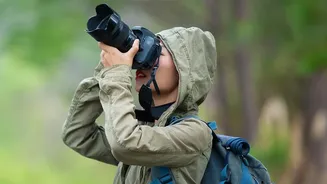
Water is the mortal enemy of electronics. For your phone, laptop, camera, and power banks, a single layer of protection is a gamble. Always double-bag your valuable gadgets. Start by placing them in a waterproof case or sleeve designed for that specific device. These offer a snug fit and often allow you to use the device without removing it. Then, place that cased device inside a separate dry bag or a sturdy zip-seal plastic bag for a second layer of security. This redundancy is critical. For added protection against humidity, which can cause damage even without direct rain, toss a few silica gel packets into the bags containing your electronics.
Choose Your Fabrics Wisely
What you wear is just as important as how you pack it. Cotton is a poor choice for monsoon travel; it absorbs a huge amount of water and takes a very long time to dry, often developing a musty smell. Instead, pack clothes made from synthetic, quick-dry fabrics like nylon and polyester. These materials don't hold much water and will dry quickly even in humid conditions. A lightweight, foldable waterproof jacket is non-negotiable. For footwear, pack at least two pairs. One should be a pair of waterproof or water-resistant shoes with good grip for walking on slippery surfaces. The second could be a pair of sandals or floaters that can get wet and dry easily, allowing your feet and your main shoes a chance to air out.
Harness the Power of Everyday Items
You don't always need expensive, specialized gear to protect your belongings. Simple, low-cost items can be incredibly effective. Zip-seal plastic bags of various sizes are perfect for protecting smaller items like your wallet, passport, documents, and snacks. They are transparent, cheap, and create a reliable seal against water. Don't underestimate the utility of a few large, sturdy garbage bags. You can use one as an improvised pack liner by placing it inside your backpack before you start packing, creating a large waterproof barrier for all your contents. They can also be used to segregate muddy shoes or completely soaked clothing from the rest of your gear.