







Understanding Humidity's Impact
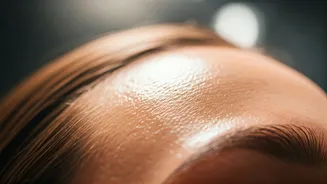
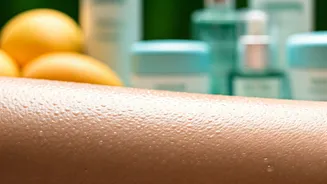
The primary change during the rainy season is a spike in humidity. This moisture-rich air has a dual effect on your skin. On one hand, it can give your skin a dewy look by pulling moisture from the air. On the other, it signals your sebaceous glands to
produce more oil. This excess sebum, mixed with sweat and environmental pollutants, can create a perfect storm for clogged pores, stickiness, and breakouts. This damp, warm environment is also an ideal breeding ground for bacteria and fungi, potentially leading to infections and acne flare-ups.
Go Lighter with Your Cleanser
While cleansing is always important, it's crucial during humid weather to manage the extra oil and grime. However, reaching for a harsh, stripping cleanser can backfire. Over-washing or using aggressive formulas can strip your skin's natural protective barrier, prompting it to produce even more oil to compensate. Instead, opt for a gentle, pH-balanced, non-comedogenic cleanser. A gel-based or light foaming cleanser can effectively remove impurities without causing dryness, leaving your skin feeling fresh and balanced. For those who wear makeup or sunscreen, a double cleanse in the evening—starting with an oil-based cleanser to break down products followed by a water-based one—is highly effective.
Exfoliate, but Gently
With increased oil production and dead cells sticking around, pores can get clogged easily, leading to dull skin and breakouts. Gentle exfoliation becomes your best friend. It helps to slough away dead skin cells, keeping your pores clear and allowing your skin to breathe. However, this isn't the time for aggressive scrubbing. Over-exfoliation can irritate the skin and damage its barrier. Aim to exfoliate once or twice a week with a mild chemical exfoliant containing ingredients like AHAs (alpha-hydroxy acids) or BHAs (beta-hydroxy acids) like salicylic acid, which is excellent for keeping pores clear.
Don't Skip the Moisturiser
It’s a common myth that you don’t need to moisturise when the air feels wet or if your skin feels oily. Skipping this step can actually make your skin oilier. When your skin is dehydrated, it produces more sebum to lubricate itself. The key is to switch from heavy, rich creams to something more lightweight. Look for oil-free, non-comedogenic, gel-based moisturisers. Ingredients like hyaluronic acid and glycerin are perfect for humid weather as they are humectants that hydrate the skin by drawing moisture from the air, without adding any greasiness.
Sunscreen is Still Non-Negotiable
Perhaps the biggest mistake people make on cloudy, rainy days is skipping sunscreen. Up to 80% of the sun's harmful UV rays can penetrate through clouds, meaning your skin is still vulnerable to damage that causes premature ageing and dark spots. Water on the ground can also reflect UV rays, increasing your exposure. Continue to use a broad-spectrum sunscreen with an SPF of 30 or higher every single day. To combat the sticky feeling of humidity, look for lightweight, gel-based, or matte-finish sunscreens that won't feel heavy on the skin.
Targeted Ingredients and Foot Care
Incorporate ingredients that help manage oil and prevent breakouts. Niacinamide is a star ingredient for humid weather as it helps regulate sebum production and minimise the appearance of pores. Antioxidants like Vitamin C can help fight dullness and protect against environmental pollutants. And don't forget your feet! The constant dampness makes them prone to fungal infections. Make sure to keep your feet clean and dry, and avoid wearing wet footwear for extended periods.