




The Stratosphere’s Delicate Balance
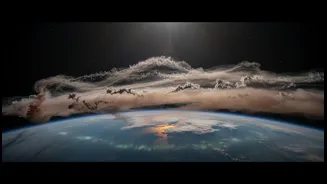
The stratosphere, the layer of atmosphere from about 10 to 50 kilometres above Earth, is usually extremely dry. This aridity is crucial for the planet's climate. Water vapor, while essential for life, is also a powerful greenhouse gas. In the stratosphere, it traps
heat, contributing to surface warming, and participates in chemical reactions that can deplete the protective ozone layer. For years, long-term climate models have predicted that a warming world would lead to a moister stratosphere, creating a feedback loop that accelerates climate change. However, some observational periods have shown puzzling declines in stratospheric moisture, complicating the scientific picture. The amount of water that makes it into the stratosphere is carefully controlled by a 'cold trap' at the tropopause—the boundary between the turbulent, weather-filled troposphere below and the calmer stratosphere above. This point is so cold it freezes most water vapor out of the air before it can ascend.
Nature’s Unscheduled Injections
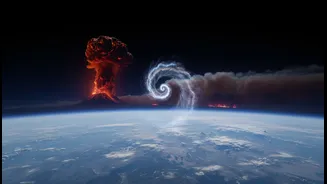
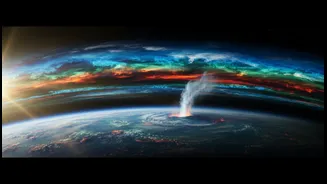
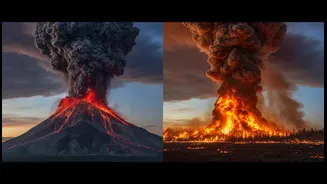
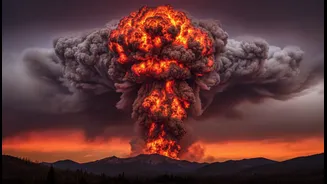
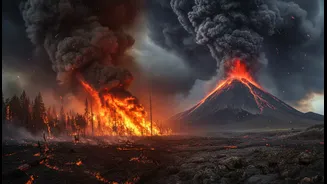
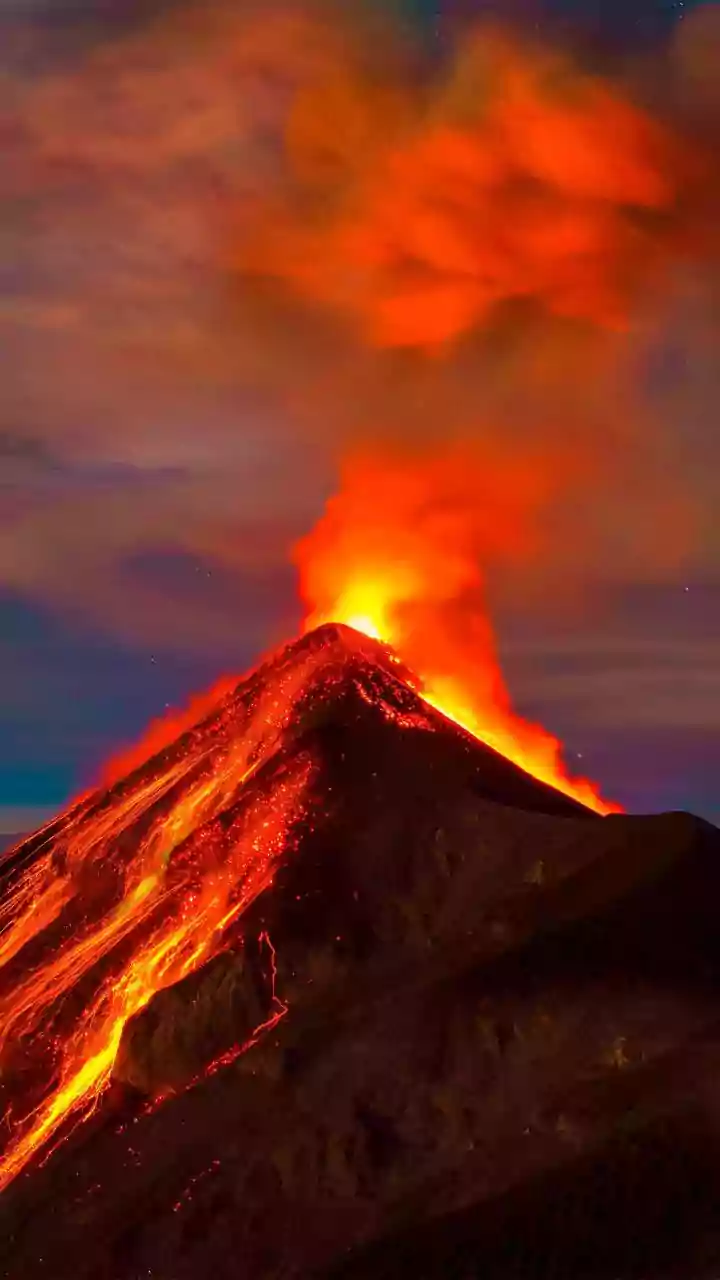
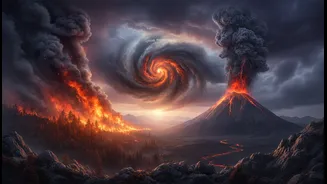
This delicate balance has been violently disrupted by recent, extreme natural events. New research, using advanced climate models and satellite observations, has revealed that massive wildfires and volcanic eruptions are serving as powerful, albeit chaotic, elevators for water vapor. In particular, the unprecedented 2022 eruption of the Hunga Tonga-Hunga Ha'apai underwater volcano was a game-changer. Because it was a submarine eruption, it blasted an enormous plume of water vapor—estimated at 146 trillion grams, enough to fill 58,000 Olympic swimming pools—directly into the stratosphere. This single event increased the total amount of water in the stratosphere by about 10%. Alongside this, increasingly intense wildfires are creating their own weather systems. Fire-triggered thunderstorms, known as pyrocumulonimbus (pyroCbs), act like industrial chimneys, pumping smoke and large quantities of water vapor high above the clouds and directly into the stratosphere. Events like the 2019-2020 Australian megafires have been shown to cause stratospheric disturbances comparable to moderate volcanic eruptions.
A Temporary Reversal
Recent scientific findings suggest that the combined impact of these events has been significant enough to offset previous moisture declines and drive a net increase in stratospheric water vapor since 2005. Satellite data confirms that these injections have temporarily reversed the drying trend observed in some earlier periods. Studies combining satellite observations with climate models found that moderate volcanic eruptions and extreme wildfire events have become principal factors influencing stratospheric moisture, challenging previous assumptions. These aerosol-related processes are estimated to have added between 76 and 203 million tons of water vapor between 2005 and 2021, accounting for a substantial portion of the observed increase in stratospheric water over that time.
Why This Matters: A Warning, Not a Solution
It is crucial to understand that this is not good news. While these events provide scientists with a fascinating natural experiment, they are a symptom of a more volatile climate system, not a cure for it. The influx of stratospheric water vapor has complex and potentially harmful consequences. Although some studies indicate the sulfate aerosols from events like the Hunga Tonga eruption had a temporary net cooling effect, the long-term impact of the excess water vapor is a major concern. Elevated stratospheric water vapor can enhance the greenhouse effect, potentially leading to surface warming over several years. It also alters atmospheric chemistry, creating conditions that can accelerate the depletion of the ozone layer, which protects us from harmful ultraviolet radiation. The increasing frequency of extreme wildfires, driven by climate change, means these stratospheric injections are becoming less of an anomaly and more of a recurring feature of our climate system, with consequences we are only beginning to fully understand.