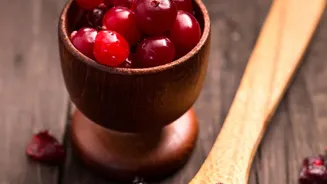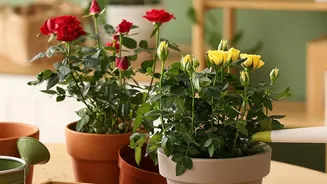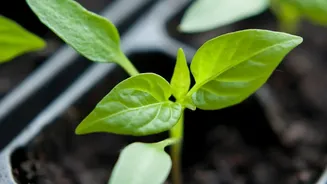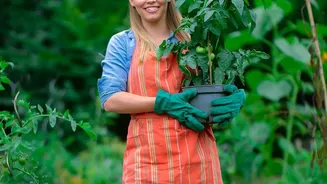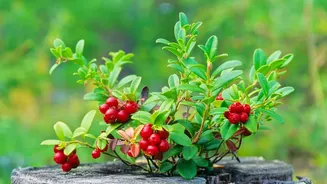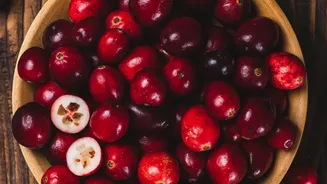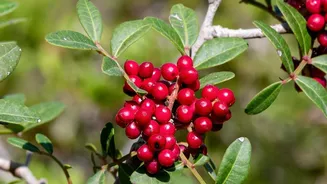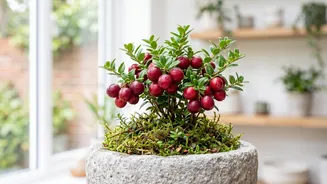


Thinking of growing fruit indoors? While common choices exist, the vibrant cranberry offers a unique challenge and reward. This guide explores how to successfully cultivate these tart jewels in small spaces right inside your home.
The All-Important Container and Soil
Success with indoor cranberries
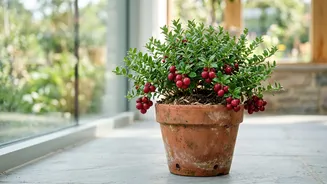
begins with their specific environmental needs. Unlike many houseplants, cranberries thrive in highly acidic soil, requiring a pH level between 4.0 and 5.5. Standard potting soil will not work. Instead, create a mix using peat moss combined with sand or perlite to ensure proper acidity and drainage. You can also find pre-made potting mixes formulated for acid-loving plants like azaleas. When it comes to the container, think wide rather than deep. Cranberry plants have shallow root systems that spread out through runners, so a pot that is at least 30-40 cm in diameter is ideal. Long trough-style planters or window boxes also work well. Most importantly, ensure the container has excellent drainage holes to prevent waterlogging, which can lead to root rot.
Choosing Your Cranberry Variety
Not all cranberry varieties are created equal, especially for container gardening. Commercial varieties like 'Stevens' are known for being vigorous and spreading, which may not be ideal for a pot. Smaller, more compact cultivars are a better choice for indoor spaces. Varieties like 'Pilgrim' are known for good fruit production even in containers. Other options to consider include 'Ben Lear', 'Early Black', or even ornamental types like 'Hamilton', which grow as a tiny shrub. It's best to start with cuttings or small plants from a nursery, as growing from seed can be a slow and unpredictable process requiring a long cold stratification period.
Light, Water, and Temperature Needs
Cranberries are sun-loving plants. To flourish and produce fruit indoors, they need at least six hours of direct sunlight each day. A spot near a south-facing window is perfect. If you don't have enough natural light, you'll need to supplement with a grow light to ensure the plant gets the energy it needs. True to their boggy origins, cranberries require consistently moist soil. Never let the soil dry out completely. A self-watering pot can be an excellent tool to maintain steady moisture without over-saturating the roots. While they love moisture, they do not like sitting in stagnant water. These are cool-climate plants and generally do not tolerate hot, dry conditions. They grow best in daytime temperatures between 18-24°C.
Pollination: The Key to Fruit
One of the biggest hurdles for indoor cranberry growers is pollination. Cranberry flowers cannot selfpollinate and require assistance to produce fruit. Outdoors, this job is handled by bees. Indoors, you will have to play the role of the bee. Once the delicate pink flowers appear, you can handpollinate them. Use a small, soft brush, a cotton swab, or even an electric toothbrush to gently transfer pollen from the anther of one flower to the stigma of another. Gently shaking the plant or using a small fan to create air circulation can also help distribute pollen among the flowers. This step is crucial; without pollination, you will have a beautiful vine but no berries to harvest.
Ongoing Care and Harvesting
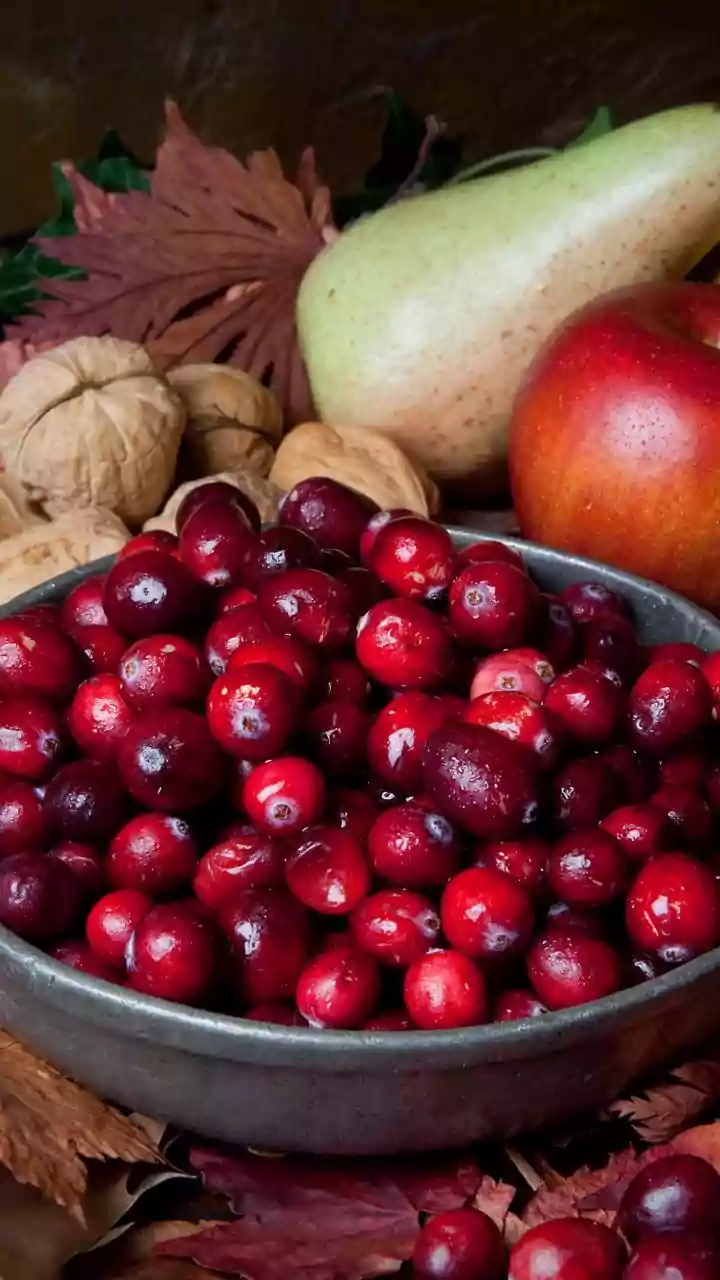
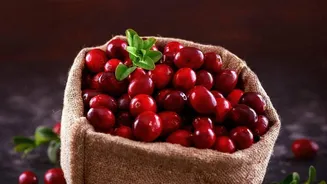
Cranberries are not heavy feeders. A light application of a low-'nitrogen', acid-'forming' fertilizer in the spring is usually sufficient. Too much nitrogen will encourage vine growth (runners) at the expense of the fruit-'producing' upright stems. Pruning helps manage the plant's growth and encourages more uprights. After a couple of years, you can lightly rake through the vines in spring to trim some of the longer runners. Patience is a virtue, as it can take two to three years for a new plant to begin producing fruit. You'll know the berries are ready to harvest in the autumn when they have turned a deep, rich red. Pick them before the first hard frost and enjoy the literal fruits of your labour.