








Prioritise Airflow and Ventilation
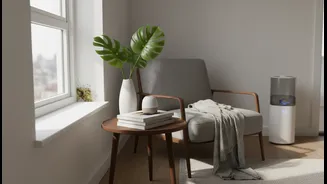
The single most effective way to combat dampness is to keep air moving. Trapped, stagnant air is what allows mould and musty smells to develop. Even when it's raining, try to find moments during dry spells to open windows and doors, creating cross-ventilation.
For rooms without good airflow, a simple electric fan can make a huge difference. Be diligent about using exhaust fans in kitchens and bathrooms after cooking or showering to expel moist air quickly. Keeping the air circulating prevents humidity from settling into your furniture, walls, and textiles.
Swap Out Heavy Textiles
Heavy fabrics are moisture magnets during the monsoon. Velvet curtains, thick woollen rugs, and heavy upholstery can absorb humidity from the air, leading to a persistent damp smell. As a renter, an easy fix is to temporarily store these items. Replace them with lightweight, breathable materials like cotton, linen, or sheer voiles for curtains and bed linens. These fabrics dry faster, don't trap moisture, and instantly make a space feel lighter and more airy. If you must have floor coverings, opt for light cotton dhurries or natural fibre mats that can be easily aired out.
Use Strategic Moisture Absorbers
Tackle dampness at its source by placing moisture absorbers in enclosed, vulnerable spaces like wardrobes, shoe racks, and kitchen cabinets. You don’t need expensive gadgets; many effective solutions are affordable and natural. Bowls of rock salt, baking soda, or activated charcoal are excellent at soaking up excess humidity. Small silica gel packets, often found in new shoe boxes or bags, can be repurposed for the same effect. For a natural approach, consider lining shelves with newspaper, which absorbs moisture, or placing dried neem leaves and camphor in cupboards to repel insects and fight stale odours.
Introduce Natural, Refreshing Scents
Instead of masking musty smells with heavy artificial air fresheners, introduce natural fragrances that create a pleasant and clean atmosphere. Scented candles, especially with fragrances like citrus, lavender, or eucalyptus, add warmth and a gentle aroma. An essential oil diffuser is another great option for continuous, subtle fragrance. For a classic Indian home remedy, burning camphor or agarbatti can help clear the air and reduce damp smells. Boiling lemon peels in water and letting the steam permeate a room is another quick way to naturally deodorise your space.
Arrange Furniture for Airflow
A simple but crucial tip is to create a small gap between your furniture and the walls, especially exterior walls. Walls can hold onto moisture during the monsoon, and furniture pushed directly against them can trap this dampness, leading to mould growth on both the wall and your belongings. This is especially important for porous wooden furniture, which can swell and warp. Opting for open-style or elevated storage solutions, like shelving units or furniture on legs, also promotes better air circulation around and under your items, further preventing the build-up of musty odours.
Brighten Up with Smart Decor
Overcast monsoon days can make interiors feel dark and gloomy. Counteract this by making your space feel brighter. A classic renter-friendly trick is to use mirrors; leaning a large mirror against a wall can reflect light and create an illusion of a larger, brighter space. Swap out dark cushion covers and throws for ones in vibrant, cheerful colours. Adding indoor plants that thrive in humidity, like snake plants or peace lilies, can also purify the air and add a touch of lush greenery that complements the season.