




Pack Smarter, Not Harder
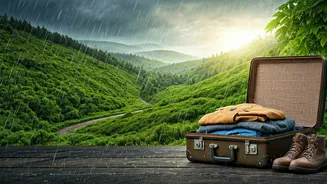
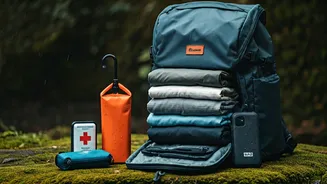
The golden rule of monsoon packing is to choose fabrics that dry quickly. Ditch the denim and heavy cottons in favour of synthetic blends, lycra, and polyester. These materials won't hold moisture, keeping you comfortable and preventing that persistent
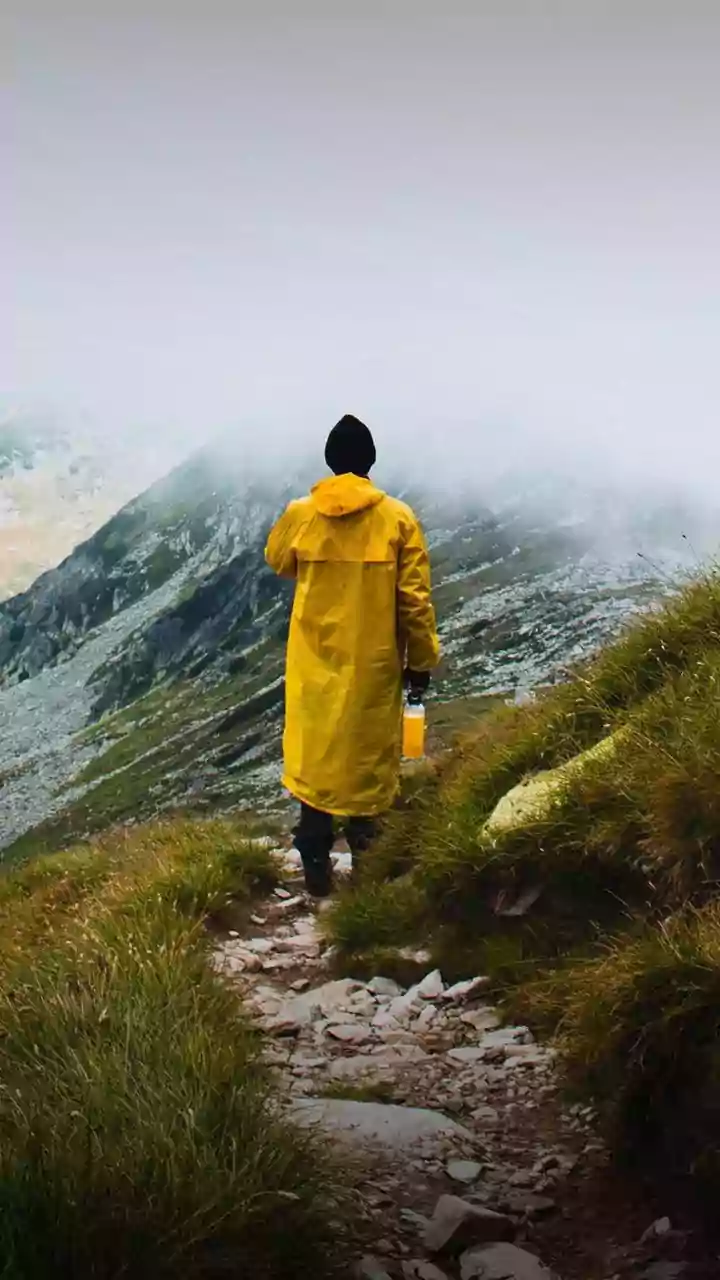
damp smell. Instead of a bulky raincoat, consider a lightweight, breathable poncho. It offers better ventilation and can easily cover you and your backpack. For footwear, forget leather or canvas shoes. Opt for rubber floaters, sandals with good grip, or quick-dry trekking sandals. They are easy to clean, dry fast, and will prevent you from slipping on slick surfaces. Also, pack a few extra pairs of socks; nothing is worse than putting on wet ones.
The Gadget Guardian Guide
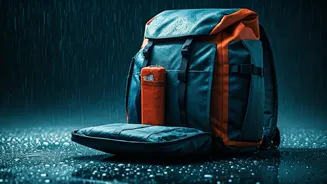
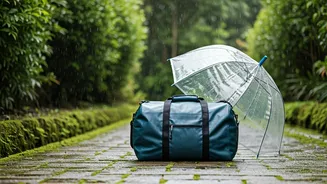
Water is the enemy of electronics. To protect your precious gadgets, invest in a few simple solutions. Zip-lock bags are your best friend; use them to store your phone, power bank, and camera when not in use. For an extra layer of security, toss a few silica gel packets—the kind you find in new shoe boxes—into your camera and electronics bag. They are excellent at absorbing ambient moisture and preventing fogging on your camera lens. A waterproof backpack or a reliable rain cover for your existing bag is a non-negotiable item. When charging your devices, be mindful of voltage fluctuations, which can be common during heavy rains and storms. A good quality surge protector can be a trip-saver.
Stay Healthy on the Go
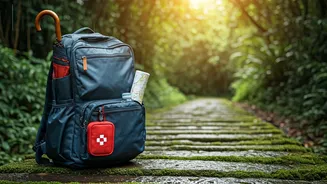
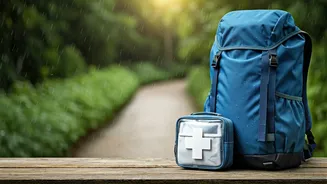
The monsoon season can bring a host of water-borne diseases. The most important tip is to be vigilant about what you eat and drink. Stick to bottled mineral water from sealed bottles and avoid drinking tap water or beverages with ice from street vendors. Eat at clean, reputable restaurants and favour freshly cooked, hot meals over pre-cut salads or fruits that may have been washed in contaminated water. Carry a basic first-aid kit with essentials like band-aids, antiseptic wipes, insect repellent (mosquitoes are rampant), and medication for common ailments like fever, diarrhoea, and allergies. Staying dry is also a health measure; prolonged exposure to damp clothes can lead to fungal infections and colds.
Mastering Monsoon Roads
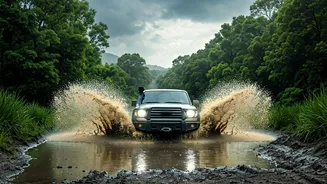
If you're planning a road trip, be prepared for challenging conditions. Roads can be slippery, visibility might be low, and the risk of landslides increases in hilly areas. Before you start, check the weather forecast and local road conditions. Drive slower than you normally would, maintain a safe distance from the vehicle ahead, and ensure your car's tyres, wipers, and headlights are in perfect working order. Avoid crossing overflowing streams or flooded roads, as the depth and current can be deceptive. If you're relying on public transport, be prepared for delays. Trains and buses can be rescheduled or cancelled due to heavy rain. Build buffer days into your itinerary to account for potential disruptions and travel with a flexible mindset.
Pick Your Paradise Carefully
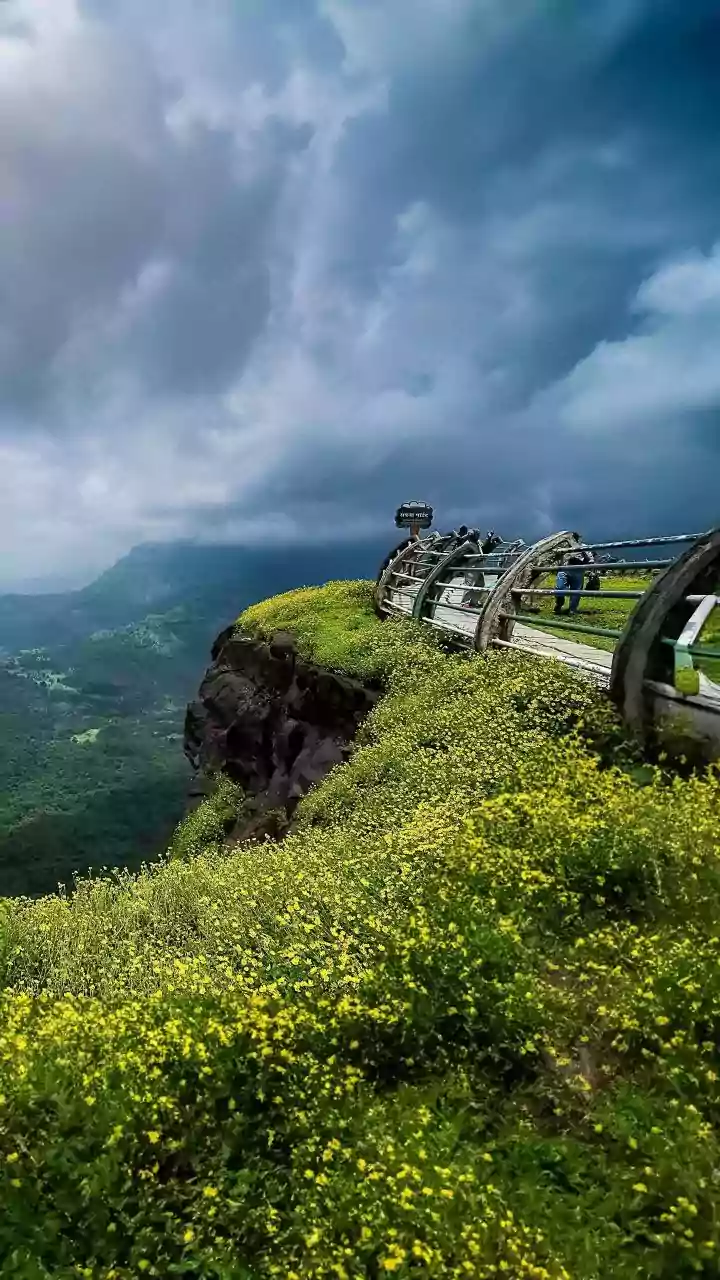
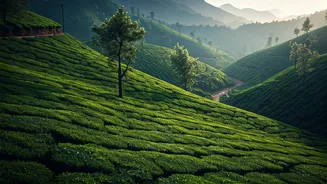
Not all destinations are created equal during the monsoon. While some places come alive, others become inaccessible or risky. Regions like the Western Ghats (think Lonavala, Mahabaleshwar), parts of Rajasthan (Udaipur, Mount Abu), and hill stations in the south (Munnar, Kodaikanal) are stunning when washed by the rains. They offer misty landscapes and gushing waterfalls. However, it's wise to avoid trekking in remote, landslide-prone areas in the Himalayas. Similarly, some beaches might be closed, and swimming in the sea is often prohibited due to strong currents. Research your destination thoroughly. Look for places that are known to be safe and beautiful during the monsoon to ensure your trip is enjoyable, not a series of logistical hurdles.