



The Old School Snack, Remixed
Walk through any urban market or scroll through a food delivery app, and you'll notice a delicious shift. The humble chaat, a street food that runs on nostalgia and explosive flavour, is getting a gourmet upgrade. Imagine palak patta chaat where spinach
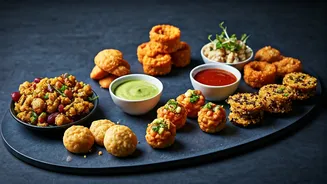
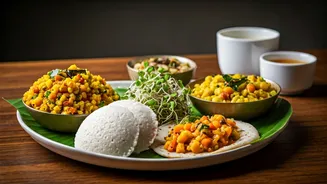
leaves are fried to a perfect crisp, or a classic papdi chaat reimagined with baked, multigrain crackers instead of fried dough. This trend is all about taking the soul of street food—the tangy, spicy, sweet, and crunchy symphony—and presenting it in a healthier, more refined form. Caterers and chefs are creating vegan, gluten-free, and even sattvik versions, proving that chaat is a versatile canvas. It's the same quick-bite satisfaction, just with an ingredient list that feels a little more 2026.
Meet the New Ingredients
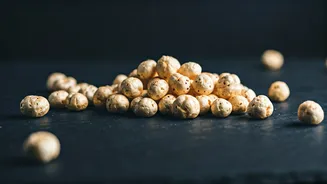
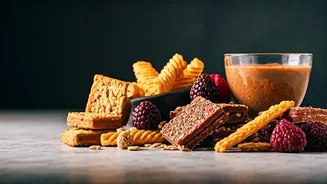
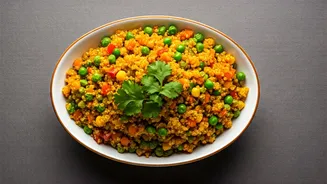
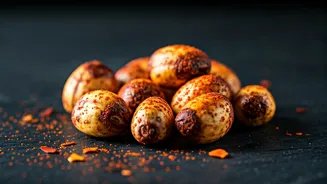
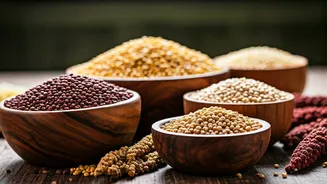
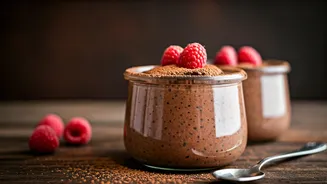
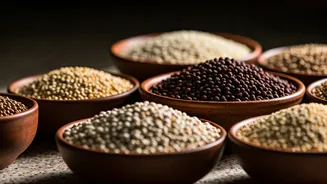
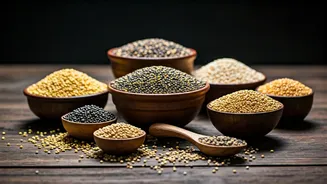
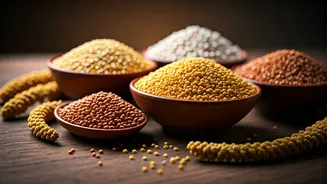
So, what’s powering this change? A new roster of ingredients is stepping into the spotlight. Millet-based snacks, for instance, have become a massive trend, with millet puffs and crisps offering a fibrous, easy-to-digest crunch. Superfoods like makhana (fox nuts) are now a go-to base, roasted and tossed in everything from peri-peri seasoning to classic cream and onion. We're also seeing the creative use of exotic fruits, olives, berries, and edible flowers as toppings, turning a simple plate of chaat into an artistic creation. Even the foundation is changing, with some vendors using air-fried roti cutouts or baked vegetable chips made from sweet potato and beetroot as a guilt-free base for their creations. These smart swaps deliver that essential crunch without the heaviness of traditional deep-frying.
A Response to the Health-Conscious Eater
This evolution isn't happening in a vacuum. It’s a direct response to a growing wave of health consciousness across India. More consumers, particularly in urban centres, are reading labels and looking for snacks that are baked, not fried. The demand for options that are low in calories, high in protein, and free from refined sugar has pushed brands and chefs to innovate. This trend isn’t about sacrificing taste for wellness; it’s about finding a delicious middle ground. It taps into the desire for comfort food that aligns with a healthier lifestyle, allowing people to indulge in their favourite flavours without the guilt. The rise of these remixed treats shows that snacking can be both a nostalgic pleasure and a mindful choice.
An Instagram-Worthy Sensation
Let’s be honest: we eat with our eyes first. The gourmet chaat trend is tailor-made for the social media age. The vibrant colours of pomegranate seeds, green chutney, and golden sev, artfully arranged on a modern plate, are incredibly photogenic. This visual appeal is a significant driver of its popularity, especially among younger audiences who discover and share new food experiences online. A beautifully presented dish like a deconstructed samosa chaat or an avocado-topped sev puri doesn't just taste good; it makes for a great story or post. As international chefs and food influencers also discover and share their own versions of Indian chaat, it further boosts the snack's global acclaim and encourages even more creative interpretations back home.
Finding Your New Favourite Bite
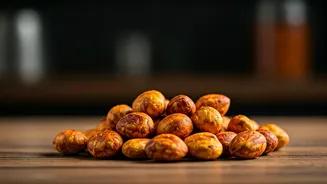
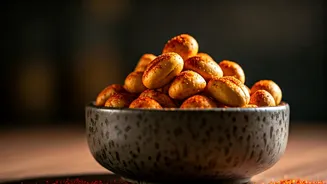
The best part about this trend is its growing accessibility. Once limited to high-end restaurants and bespoke catering, these modern quick-bites are now appearing in trendy cafes, specialised cloud kitchens, and even on the shelves of supermarkets. Packaged goods companies are launching baked and millet-based chips with desi masala flavours, while D2C brands deliver everything from pani puri-flavoured protein chips to roasted edamame beans. Whether you’re looking for a quick office snack or a fun appetiser for a party, the options are expanding. It's a movement that celebrates both heritage and innovation, proving that our traditional flavours are endlessly adaptable.