


Master the Art of Watering
Overwatering is the number one reason beginner houseplants fail. Instead of watering on a fixed schedule, like every Sunday, get into the habit of checking the soil first. The easiest method is the finger test: stick your finger about an inch or two into the soil.
If it feels dry, it’s time to water. If it’s still moist, wait a few more days and check again. When you do water, do it thoroughly. Pour water slowly over the entire soil surface until you see it run out of the drainage holes at the bottom. After about 15 minutes, be sure to empty any excess water from the saucer. No plant wants to sit in a puddle, as it can lead to root rot.
Understand the Light in Your Home
Light is food for plants. Before you even buy a plant, observe the light in your home. South-facing windows typically offer the brightest, most direct light, while north-facing windows provide the least. East-facing windows get gentle morning sun, and west-facing windows get more intense afternoon sun. Most popular houseplants, like Monsteras and Philodendrons, thrive in 'bright, indirect light'. This means a spot near a window where the sun's rays don't fall directly on the leaves. For low-light tolerant plants like the Snake Plant or ZZ Plant, 'low light' doesn't mean 'no light'; it just means they can survive further from a window.
Insist on Pots with Drainage
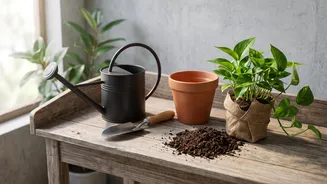
This is a non-negotiable hack for beginners. That beautiful ceramic pot without a hole in the bottom is a death trap for most plants. Roots need oxygen as much as they need water, and a pot without drainage allows water to pool at the bottom, suffocating the roots and causing them to rot. If you fall in love with a decorative pot that has no drainage, you can still use it. Simply keep your plant in its plastic nursery pot (which has holes) and place that inside the decorative one. This allows you to easily remove the plant for watering and ensures excess water can escape.
Go Easy on the Fertiliser
Beginners often think more food equals more growth, but over-fertilising can burn a plant's roots and do more harm than good. Most commercial potting soil comes with enough nutrients to last for several months. For most common houseplants, feeding them with a diluted, all-purpose liquid fertiliser once every few weeks during the main growing seasons (spring and summer) is plenty. Always follow the instructions on the package, and when in doubt, use less than the recommended amount. Stop fertilising entirely in the autumn and winter when plant growth naturally slows down.
Start with Forgiving Plants
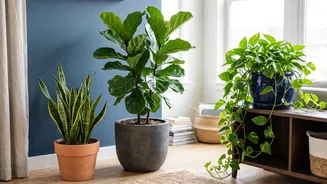
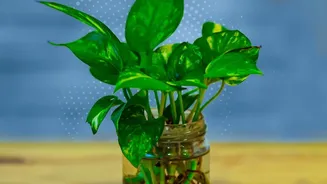
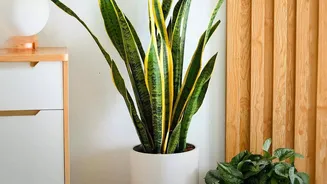
Set yourself up for success by starting with plants that are known to be hardy and resilient. Choosing a plant that thrives on neglect is a great way to build your confidence. In India, some of the easiest and most popular choices include the Snake Plant, which tolerates low light and infrequent watering, the Money Plant (Pothos), which grows quickly and tells you when it's thirsty with slightly droopy leaves, and the ZZ Plant, a champion of surviving neglect. These plants can handle imperfect care and bounce back easily from common beginner mistakes.
Keep the Leaves Clean
Here's a simple trick many people overlook: dust the leaves of your plants. A layer of household dust can block sunlight and clog the pores your plant uses to 'breathe'. This reduces its ability to photosynthesise effectively. About once a month, gently wipe down the leaves with a soft, damp cloth. For smaller plants, you can even give them a quick rinse in the shower with lukewarm water. This not only helps them look their best but also improves their overall health and ability to grow.