


It All Begins with Skin Prep
A flawless, long-lasting makeup application starts with a clean canvas. In humid weather, your skin tends to produce more oil, which can cause makeup to slide right off. Begin by using a gentle cleanser to remove any dirt and excess oil. Follow this with a lightweight,
oil-free moisturiser. It might seem counterintuitive to moisturise when it's sticky outside, but hydrated skin is balanced skin. Opt for gel-based or water-based formulas that absorb quickly without leaving a greasy film. Applying a lightweight serum before your moisturiser can also provide necessary hydration without the heaviness. Finally, never skip sunscreen, but choose a gel-based or mineral formula that won't feel thick and heavy under your makeup.
Primer is Your Secret Weapon
Think of primer as the essential barrier between your skin and your makeup. A good primer not only creates a smooth surface for foundation but also helps control oil and gives your makeup something to grip onto, drastically increasing its longevity. In humid conditions, a mattifying primer is non-negotiable, especially for those with oily skin. Apply it strategically to areas that tend to get shiny, like your T-zone, forehead, and chin. This simple step is one of the most effective ways to prevent your foundation from breaking down and separating during the day.
Choose Your Base and Colours Wisely
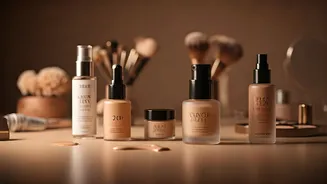
When the air is thick with moisture, less is definitely more. Heavy, thick foundations are prone to melting and looking cakey. Instead, opt for lightweight, long-wearing formulas. Waterproof or water-resistant foundations, tinted moisturisers, or CC creams are excellent choices. Silicone-based foundations often perform better than water-based ones as they create a barrier against moisture. For colour, consider switching from powders to stains or long-wearing creams. Cream blushes can be blended seamlessly and look more natural, while powder blushes may turn patchy in the heat. And for eyes and lips, waterproof mascara and eyeliner, along with lip stains, are your best friends to avoid the dreaded smudge.
Technique Matters More Than You Think
How you apply your makeup is just as important as the products you use. The key to a humidity-proof look is applying products in thin, light layers rather than one thick coat. Use a damp beauty sponge to press foundation into the skin; this helps it set better and creates a more natural, skin-like finish. For extra staying power, especially in oily areas, you can try the 'sandwich' technique: apply a thin layer of foundation, a light dusting of powder, and then another very thin layer of foundation on top. This layering helps lock everything in place for hours.
Set It and Forget It
Once your makeup is on, you need to lock it down. This two-step process involves both a powder and a setting spray. First, use a translucent setting powder to set your base. Press it into the skin with a puff or a damp sponge, focusing on areas that get oily. The 'baking' technique, where you let powder sit on your T-zone for a few minutes before dusting it off, can be particularly effective. The final, crucial step is a setting spray. A good setting spray acts like a seal, melding all the layers of makeup together and creating a protective film that helps it withstand sweat and humidity. Some makeup artists even recommend spraying it between makeup layers for extra hold.
Master the Midday Touch-Up
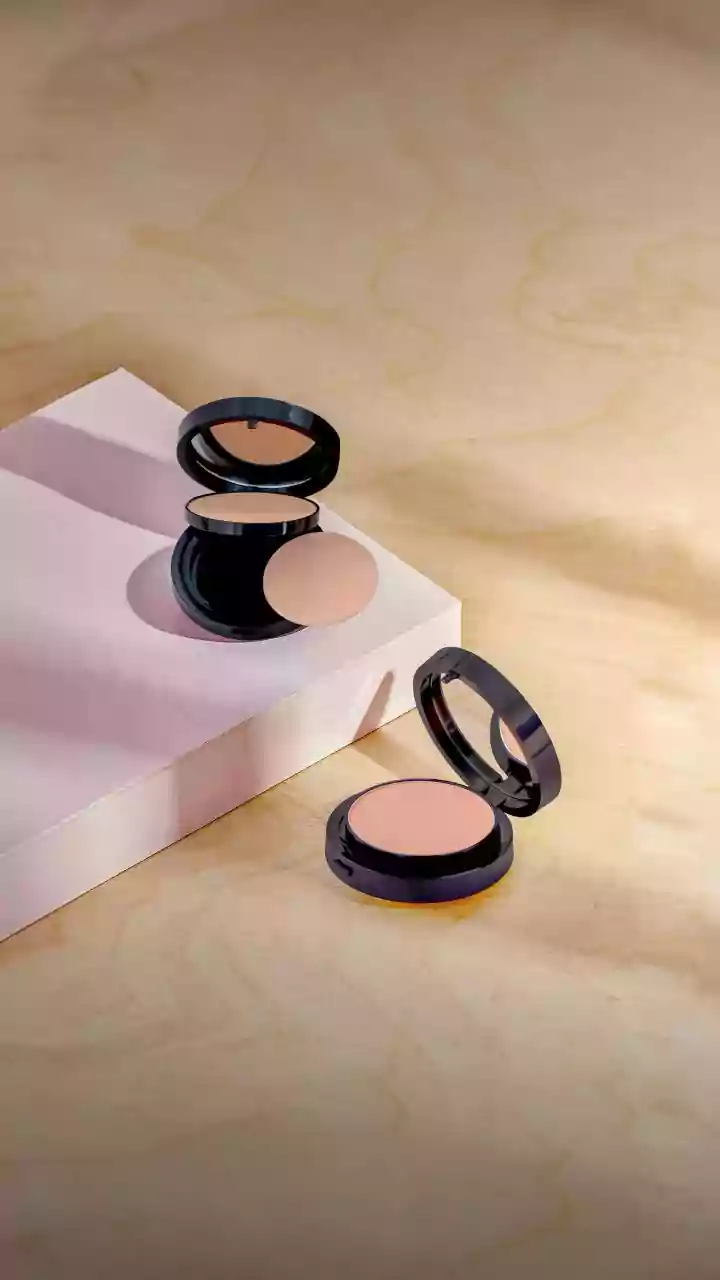
Even with the best prep and products, a little shine might break through by the end of the day. The trick is to touch up smartly. Instead of piling on more powder, which can lead to a cakey look, start with blotting papers. These sheets absorb excess oil without disturbing the makeup underneath. Once you’ve blotted, you can use a powder compact for a light touch-up if needed. A quick spritz of a facial mist can also help refresh your look and make you feel more comfortable.