



The Shift Away from Syrups
For years, the go-to for a sweetened cold beverage involved a heavy pour of a brightly coloured, artificially flavoured syrup. While convenient, these syrups often come loaded with refined sugars, synthetic ingredients, and a one-dimensional taste. Now,
a growing movement across India is looking inward, rediscovering a treasure trove of native plants that have been used for centuries to create flavourful and healthful drinks. This shift isn't just about avoiding artificial additives; it's about embracing a richer, more nuanced palate and connecting with culinary heritage. Brands and home cooks alike are turning to flowers, fruits, and roots that offer unique flavours and wellness benefits that no factory-made syrup can replicate.
Kokum: The Tangy Cooler
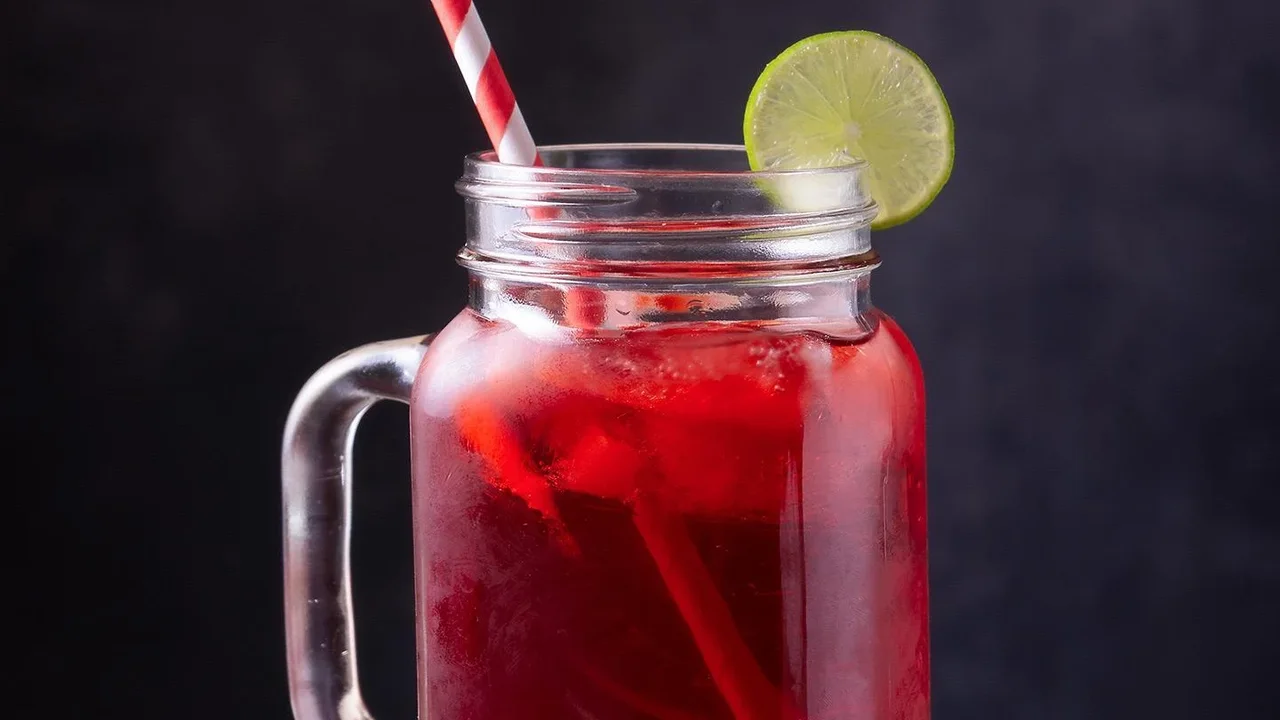
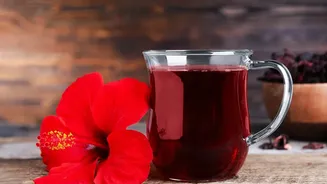
Found along India's Western Ghats, kokum (Garcinia indica) is a small, red fruit that is typically dried and used for its delightfully tart flavour. Long cherished in Goan, Maharashtrian, and coastal cuisines, its deep wine-red concentrate is now starring in cold teas and sharbats. Unlike the sharp sweetness of artificial syrups, kokum provides a tangy, refreshing taste that naturally cools the body. Traditionally used to aid digestion and control acidity, a glass of chilled kokum tea feels like a true summer saviour. It’s often prepared by soaking the dried petals, then lightly sweetening the infused water with jaggery and adding a pinch of roasted cumin for an earthy balance.
Bael: The Fragrant Healer
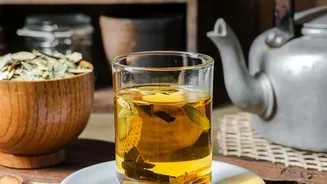
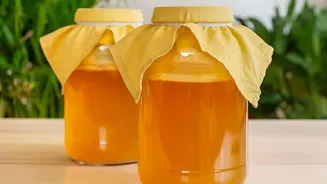
Bael, also known as wood apple, is a fruit deeply rooted in Indian tradition and mythology. While it can be enjoyed fresh, the dried slices are perfect for brewing into a fragrant tea, known as 'nam matoom' in Thailand where it is also popular. To prepare it, dried bael slices are toasted to release their aroma and then simmered in water, which turns a beautiful golden brown. The resulting drink has a unique, mildly sweet, and aromatic flavour that is both grounding and refreshing. Traditionally valued for its digestive benefits and ability to prevent heatstroke, bael sherbet offers a therapeutic alternative to generic iced teas. It can be served hot or chilled over ice, making it a versatile year-round beverage.
Mahua: The Floral Nectar
The flowers of the Mahua tree (Madhuca longifolia) are a cherished forest resource in central India, traditionally used by tribal communities. While famously associated with a fermented spirit, the non-alcoholic syrup or nectar made from its flowers is a remarkable natural sweetener. By simply boiling the sun-dried flowers, a fragrant syrup with notes of caramel, honey, and flowers is created without any added sugar. This nectar serves as a wholesome substitute for processed sweeteners in cold teas and other beverages. With its rich, earthy sweetness, mahua syrup brings a unique character that is both complex and comforting, offering a taste of the forest in every glass.
Rhododendron: The Himalayan Bloom
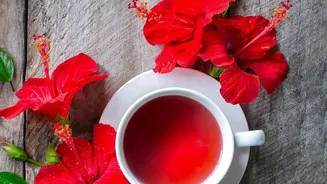
In the higher reaches of the Himalayas, the bright scarlet blossoms of the Rhododendron tree (known as Buransh) are handpicked to create a delicate and rejuvenating tea. The handpicked petals are dried to preserve their natural properties and subtle floral flavour. The resulting infusion is not only visually stunning with its vibrant red hue but is also rich in antioxidants. Traditionally consumed for its anti-inflammatory properties and potential heart health benefits, Rhododendron tea is a perfect example of a functional botanical drink. It provides a gentle, refreshing experience that feels both luxurious and deeply connected to its pristine mountain origins.