





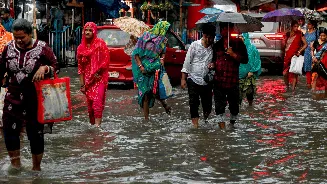


A Volatile Start to the Season
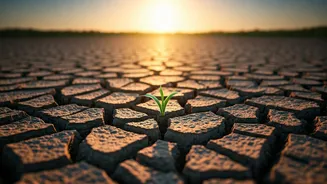
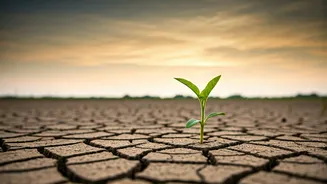
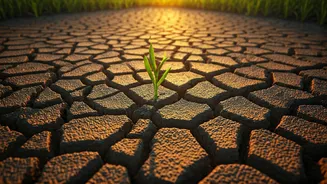
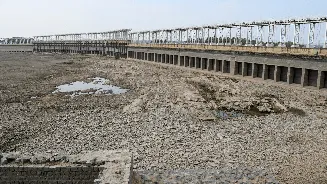
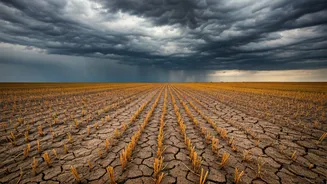
India's agricultural heartland is grappling with a dual climatic challenge. First, blistering heatwaves across northern and central India during May and early June damaged standing crops and stressed water resources. Now, the southwest monsoon, the lifeblood
of Indian agriculture, has had a sluggish and erratic start. As of late June 2026, the country faced a significant rainfall deficit of over 40%, one of the driest Junes in recent history. [10, 13, 20] This has delayed the sowing of crucial kharif (summer) crops, including paddy, pulses, and cotton, raising concerns among farmers and policymakers alike. [10, 21]
The Pinch on Your Plate: Tomatoes and Beyond
The most immediate and visible impact has been on vegetable prices, particularly tomatoes. Intense heat and disrupted supply chains have caused average retail tomato prices to jump by as much as 24% year-on-year. [2, 8] In some wholesale markets, prices have skyrocketed dramatically. [8] This is a direct consequence of crop damage in major producing states like Maharashtra, Karnataka, and Uttar Pradesh. [2, 8] While potatoes have seen some price relief due to ample stocks from the previous harvest, the pressure on perishables like tomatoes and ginger is a clear sign of weather-induced stress. [5] Food and beverages carry a significant weight of about 46% in India's consumer price index, meaning these spikes quickly translate into broader food inflation, which climbed to 4.78% in May. [6, 15]
Kharif Sowing Under a Cloud
The delay in the monsoon's advance is creating uncertainty for the critical kharif sowing season. While early data from mid-June showed a slight overall increase in sown area, this was largely driven by early planting in irrigated regions. [4] However, key rain-fed crops like cotton and some oilseeds have seen a sharp decline in acreage as farmers wait for sufficient rainfall. [3, 4] The progress of sowing for paddy, pulses, and cotton is lagging, especially in central and western India. [10] With about 45% of India's net sown area being rain-fed, the performance of the monsoon in July is now absolutely critical to make up for lost time and ensure a healthy harvest. [11] Experts have flagged that pulses and oilseeds are particularly vulnerable to erratic or deficient rainfall. [3]
The Economic Ripple Effect
The impact of a weak monsoon and high food prices extends far beyond the farm and the kitchen. The Reserve Bank of India (RBI) has explicitly identified a poor monsoon as a primary risk to India's growth and inflation outlook. [7, 13, 18] Persistent food inflation can push the overall retail inflation rate higher, potentially forcing the central bank to maintain a cautious monetary policy stance. [7, 9] The RBI has warned that if weather-related pressures continue, retail inflation could approach its upper tolerance limit of 6% later in the year. [7, 13] This affects everything from rural demand, which is weakened by lower farm incomes, to the interest rates on loans for homes and businesses.
What Happens Now?
All eyes are now on the monsoon's performance in July and August, which are the most crucial months for rainfall. [10] Meteorologists see some hope for a revival, with weather systems developing that could help the monsoon advance into northern and central India. [21] Government authorities are preparing contingency plans, and the country's buffer stocks of rice and wheat are reportedly robust, providing a cushion against immediate, large-scale shortages. [22] However, the increasing frequency of these extreme weather events—from heatwaves to delayed monsoons—highlights a growing vulnerability. The link between climate volatility and economic stability is no longer a future concern; it is a present-day reality that is shaping the cost of our daily bread.