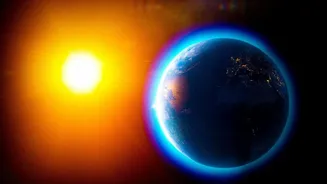


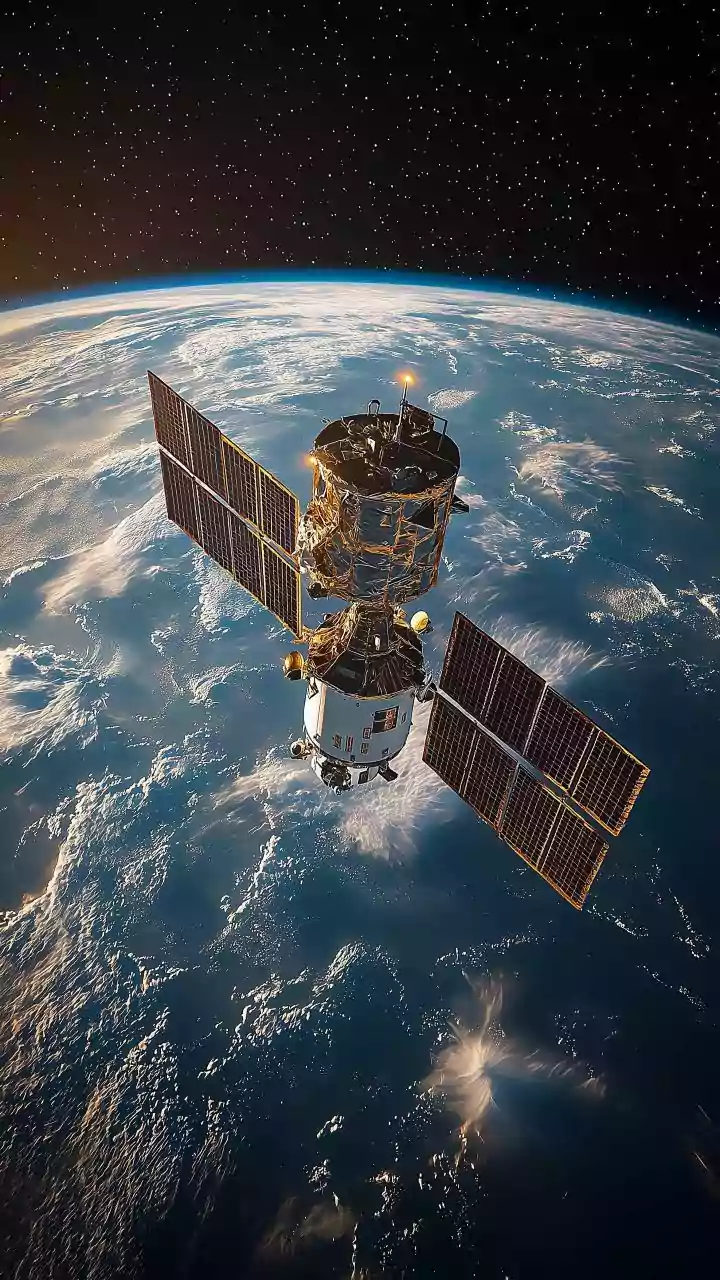
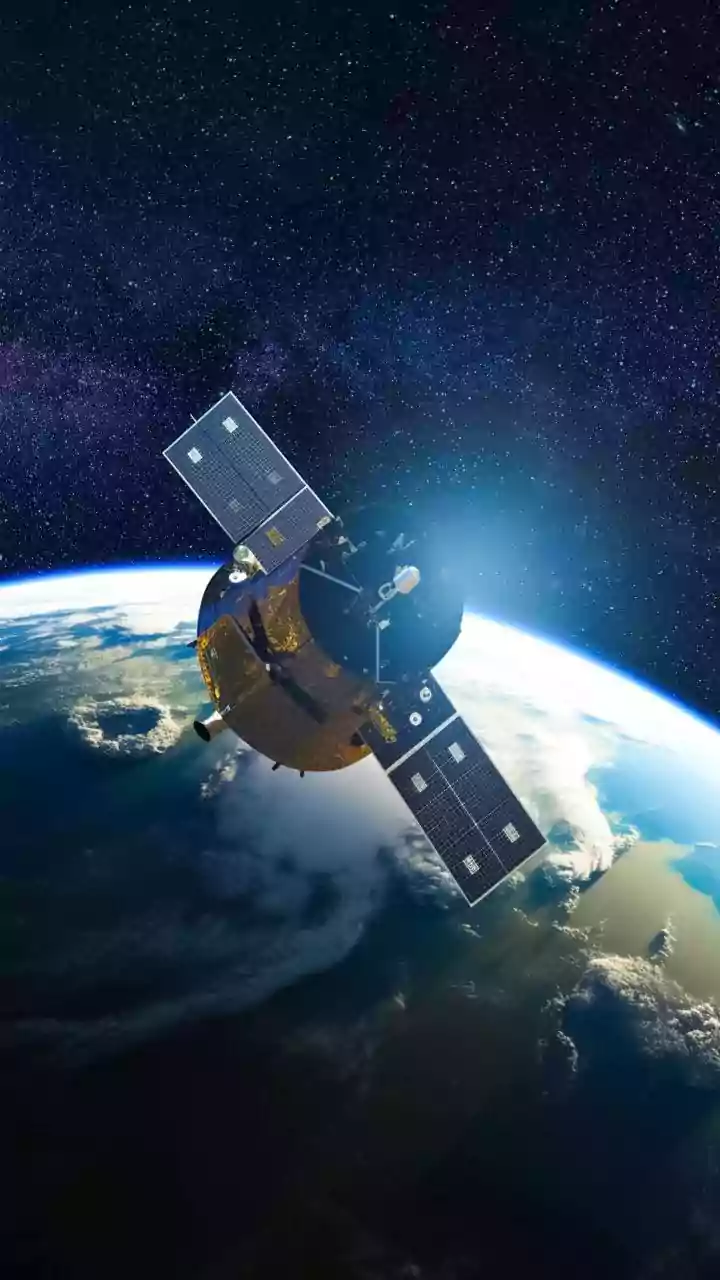



The sun gives life, but it also has a temper. New research is providing a sharper understanding of how solar storms, happening 93 million miles away, can pose a direct threat to the electrical grids we depend on every day here on Earth.
The Sun's Turbulent Outbursts
Our sun is a constantly
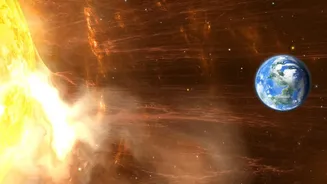
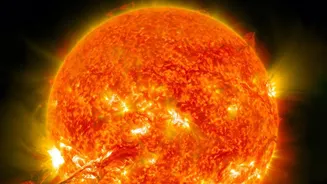
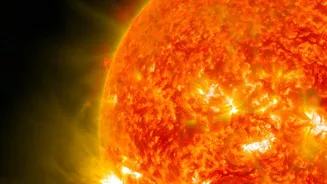
churning ball of hot gas, and it occasionally unleashes enormous bursts of energy. The two main types of solar tantrums are solar flares and coronal mass ejections (CMEs). A solar flare is an intense flash of radiation. A CME, however, is a massive eruption of solar plasma and magnetic fields into space. Think of it like a billion-tonne cannonball of charged particles shot from the sun's surface. While many of these miss Earth, the ones aimed in our direction can trigger a series of events with serious consequences for our technology-reliant society.
From Solar Storm to Geomagnetic Disturbance
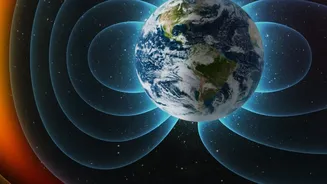
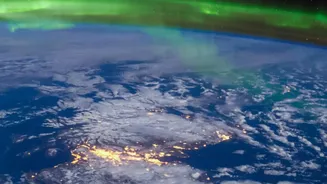
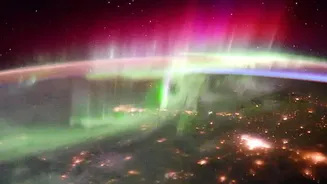
When a CME reaches Earth, its cloud of charged particles and magnetic fields interacts with our planet's protective magnetic shield, the magnetosphere. This interaction can cause a major disturbance known as a geomagnetic storm. This is the essence of 'space weather'. These storms are responsible for the beautiful auroras, or northern and southern lights, which occur when energetic particles collide with gases in our upper atmosphere. But these beautiful displays are also a sign of a powerful process that can create havoc on the ground. The same disturbances drive powerful electrical currents in the upper atmosphere, which in turn induce unwanted currents in the ground below.
New Research Sharpens the Forecast
The latest research focuses on moving from broad warnings to specific, actionable forecasts. For instance, a Microsoft Research project has developed a machine learning system that can forecast space-weather risk for over 66,000 specific substations across the US with a 30-60 minute lead time. This model combines real-time solar wind data with local geological conditions and grid infrastructure data to predict which specific locations are most vulnerable. Meanwhile, the UK's Met Office is integrating new, advanced forecasting models from its SWIMMR programme, expected to be fully operational by the end of 2026. These tools aim to give grid operators better situational awareness, allowing them to take protective measures before a storm's impact is felt. This is crucial because, as a June 2026 European Space Agency study highlighted, a once-in-a-century storm could cause blackouts lasting for days in major cities.
How a Solar Storm Can Knock Out the Power
The primary threat to power grids comes from something called geomagnetically induced currents (GICs). During a geomagnetic storm, the fluctuating magnetic field creates powerful, low_frequency electrical currents that flow through the earth. These currents seek the path of least resistance, which often means long conductors like power transmission lines. Power grids are designed for alternating current (AC), but GICs are more like direct current (DC). When these quasi_DC currents flow into the massive transformers at electrical substations, they can cause the transformer's magnetic core to become oversaturated. This leads to rapid overheating, which can damage or destroy the transformer, tripping safety systems and potentially causing a cascading failure across the network. The 1989 storm that left 6 million people in Quebec without power for nine hours was caused by precisely this mechanism.
Building a More Resilient Grid
While we can't stop the sun from producing solar storms, we can take steps to mitigate their effects. The first line of defence is improved forecasting, like the new machine learning models and operational systems being developed. With enough warning, grid operators can take preventative actions, such as temporarily taking some transmission lines out of service to reduce the load on the system. Another approach is to 'harden' the grid itself. This involves installing devices that can block or absorb the harmful induced currents, such as series capacitors or neutral resistors, to protect vulnerable and expensive transformers. As our world becomes more dependent on technology, building resilience against space weather is no longer an abstract scientific problem; it's a critical piece of national infrastructure planning.