



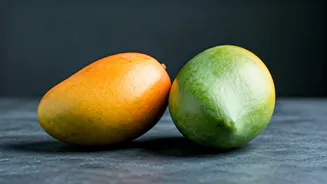



The Journey to the Capital
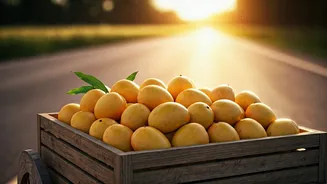
Each year, as the mango blossoms turn to fruit, a unique migration begins. Farmers from the mango belts of Uttar Pradesh, Bihar, and even as far as Maharashtra and Karnataka pack their precious, chemical-free harvest. Their destination is not the nearest
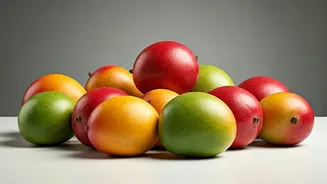
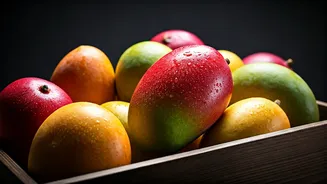
wholesale market, but the bustling heart of the nation's capital. They set up stalls at dedicated festivals and markets, like the popular ones at Dilli Haat and Sunder Nursery, creating a direct bridge between their farms and the urban consumer. For a few weeks, these spaces transform into fragrant havens, showcasing a dazzling variety of mangoes—from the beloved Dussehri and Langda to regional specialities you'd never find in a supermarket.
Cutting Out the Middleman
The primary motivation behind this long journey is economic survival. In the traditional agricultural supply chain, farmers are often at the mercy of middlemen and commission agents at the local 'mandi'. These intermediaries control pricing, and farmers often receive only a small fraction of the final price you pay for the fruit. By travelling to Delhi, these farmers bypass the convoluted chain of agents, transporters, and wholesalers. Selling directly to the customer means they retain a significantly larger share of the profit. This additional income is not just a bonus; it is often the key to a sustainable livelihood, allowing them to invest back into their farms, their families' education, and their communities.
The Power of 'Organic'
The 'organic' label is central to this entire enterprise. These are not just any mangoes; they are grown without synthetic pesticides and fertilisers. This commitment to natural farming is a core part of their philosophy, but it also serves as a powerful market differentiator. Delhi, with its large population of health-conscious and environmentally aware consumers, is the perfect market. These buyers understand the value of organic produce and are willing to pay a premium for fruit that is not only delicious but also safe and sustainably grown. The farmers are not just selling a product; they are selling a promise of purity and a story of ecological stewardship that resonates deeply with the urban elite.
Building a Direct Connection
Beyond the financial benefits, the direct-to-consumer model offers something equally valuable: a relationship. When you buy a mango from one of these farmers, you often get to hear the story behind it. They can tell you about the specific variety, the best way to ripen it, and the unique challenges of the growing season. This interaction transforms a simple transaction into a meaningful exchange. Farmers get immediate feedback and build a loyal customer base that seeks them out year after year. For the consumer, it provides a sense of connection to their food and the people who grow it, a rarity in modern urban life. This bond of trust is something no supermarket can replicate.
A Movement for Farmer Empowerment
Ultimately, the sight of hundreds of farmers in Delhi is more than just a seasonal market. It represents a growing movement of farmer empowerment and agricultural reform from the ground up. It is a practical demonstration that an alternative to the exploitative conventional system is possible. By taking control of their own sales and marketing, these farmers are scripting their own success stories. They are proving that with the right strategy, quality produce, and a direct link to the right market, small-scale organic farming can be a viable and profitable profession. Their annual trip to Delhi is a quiet revolution, fought one delicious mango at a time.