




The Dawn of a Sporting Nation: 1951 & 1982 Asian Games
India’s journey as a major sports host began with the inaugural Asian Games in 1951. Held in New Delhi, the event was a symbol of a young, independent nation ready to make its mark. Three decades later, the 9th Asian Games in 1982, also in Delhi, were
a transformative moment. This event triggered a massive upgrade of the city's infrastructure, including the construction of the iconic Jawaharlal Nehru Stadium, numerous flyovers, and the introduction of colour television broadcasting. The 1982 Games were held under the Olympic Council of Asia's banner for the first time and saw participation from 33 nations. These games not only gave the capital a modern facelift but also ignited a new level of sporting aspiration in the country.
Cricket Fever Grips the Nation: The World Cups
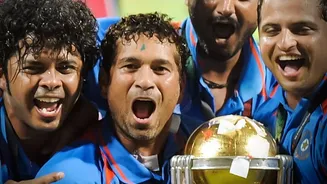
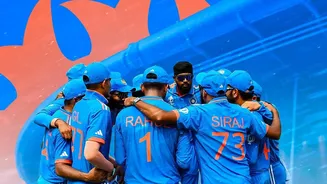
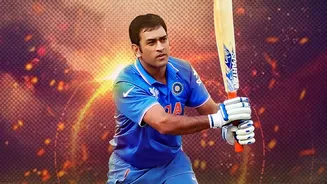
Nothing captures the heart of India like cricket. The nation first co-hosted the Cricket World Cup in 1987 with Pakistan, shifting the sport's centre of power away from England. India has since been a host or co-host on multiple occasions, including in 1996, 2011, and 2023. The 2011 victory remains a defining moment in Indian sports history, as MS Dhoni's team became the first to win the trophy on home soil. The 2023 edition was another milestone, marking the first time India hosted the prestigious tournament entirely on its own, with matches played across 12 venues. These tournaments have consistently showcased India's organisational prowess and its unmatched passion for the game.
A Controversial Triumph: 2010 Commonwealth Games
The 2010 Commonwealth Games in Delhi were arguably the largest and most complex multi-sport event India has ever hosted. With over 6,000 athletes from 71 nations competing, the Games were a monumental undertaking. Despite facing significant controversies and construction delays in the lead-up, the event was ultimately delivered successfully. The opening and closing ceremonies were widely praised, and the Indian contingent delivered its best-ever performance, finishing second in the medal tally with a historic 101 medals, including 38 golds. The event left behind a legacy of world-class sporting infrastructure and proved India could handle the pressure of a modern mega-event.
The Beautiful Game Arrives: 2017 FIFA U-17 World Cup
In 2017, India firmly placed itself on the global football map by hosting its first-ever FIFA tournament, the U-17 World Cup. The event was a resounding success, breaking the all-time attendance record for any FIFA youth tournament with over 1.3 million spectators. Matches were held in six cities, demonstrating a nationwide capacity for hosting. Though the Indian team did not advance past the group stage, the tournament was seen as a 'tipping point' for football in the country. It generated unprecedented viewership, sparked interest among children through initiatives like Mission XI Million, and established India as a serious destination for major football events.
Reclaiming Hockey's Glory: The FIH World Cups
Hockey holds a special place in India's sporting soul. The nation has hosted the Men's FIH Hockey World Cup four times: in Mumbai (1982), New Delhi (2010), and back-to-back editions in Odisha (2018 and 2023). The decision to host consecutive tournaments in Bhubaneswar and Rourkela highlighted Odisha's emergence as a global hockey hub. For the 2023 event, the state built the Birsa Munda International Hockey Stadium, the world's largest all-seater hockey arena. While India's only World Cup title came in 1975, hosting these tournaments has consistently reinvigorated the sport, drawing massive crowds and showcasing the country's enduring love for its national game.