





The Problem with Polished White Rice
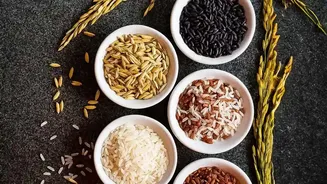
For many of us, a meal isn't complete without a serving of white rice. It's comforting, versatile, and a staple of the Indian diet. However, when it comes to gut health, polished white rice falls short. The polishing process removes the bran and germ,
which strips the grain of its most valuable nutrients, especially fibre. While it's easy to digest, which can be good for an upset stomach, it offers very little to feed the trillions of beneficial microbes living in your gut. These microbes thrive on prebiotic fibres, which are lacking in white rice. A diet heavily reliant on refined grains can lead to a less diverse and less resilient gut microbiome, which is linked to a host of digestive issues.
Enter Foxtail Millet: The Gut-Friendly Grain
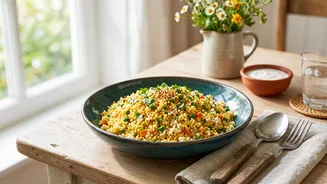
Foxtail millet, known as Kangni or Thinai, is a fantastic, nutrient-dense alternative. It is packed with dietary fibre, containing significantly more than polished white rice. This fibre acts as a prebiotic, providing essential food for beneficial gut bacteria like Bifidobacterium and Lactobacillus. A healthy population of these microbes is crucial for efficient digestion, a strong immune system, and even reducing inflammation. Studies have shown that foxtail millet can help increase the abundance of these good bacteria. Beyond fibre, it's also a rich source of protein, iron, and calcium, and has a lower glycemic index, which helps in managing blood sugar levels.
Sorghum (Jowar): A Powerhouse for Your Microbiome
Sorghum, or Jowar, is another ancient grain making a well-deserved comeback. It is a nutritional powerhouse renowned for its high fibre content, which is excellent for digestive health. The fibre in sorghum not only promotes regular bowel movements and prevents constipation but also nourishes the good bacteria in your gut. It's particularly rich in insoluble fibre, which adds bulk to stool, and also contains compounds like tannins that have antioxidant properties. Like foxtail millet, sorghum is gluten-free and loaded with essential nutrients, including iron, magnesium, and B vitamins. Its prebiotic effects help create a balanced gut environment, which is fundamental to overall health.
Millets vs. White Rice: The Breakdown
When you put them side-by-side, the advantages of millets become clear. A 100g serving of foxtail millet provides nearly double the protein and about 25 times more dietary fibre than the same amount of white rice. This stark difference in fibre is the key to their gut health benefits. Fibre from millets slows down digestion, keeping you feeling full for longer, which can aid in weight management. More importantly, this fibre reaches the large intestine, where it ferments and feeds your microbiome. White rice, being mostly starch, is digested much faster and offers minimal prebiotic fuel. Millets also have a lower glycemic index, preventing the sharp blood sugar spikes associated with refined grains.
Making the Switch: How to Use Millets
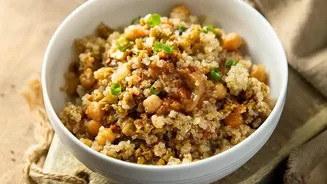
Incorporating foxtail and sorghum millets into your diet is easier than you think. You can use them as a direct substitute for rice in most dishes. For foxtail millet, a good rule of thumb is to soak it for at least an hour before cooking to soften the grain. Then, cook it using a 1:2.5 or 1:3 ratio of millet to water until the grains are tender and fluffy. You can enjoy it with dal, sambar, or curries, just as you would rice. Sorghum is often used as a flour (Jowar atta) to make rotis or bhakris, but the whole grain can also be cooked like rice or used in khichdi and upma. Many South Indian dishes like idli, dosa, and lemon rice can also be adapted to use millets instead of rice.