








The Q1 Earnings Gauntlet Begins
July ushers in the first-quarter earnings season for the 2026-27 financial year, a crucial period where companies reveal their performance for the April-to-June period. This is the first real test of corporate resilience in the new fiscal year. Investors
will be scrutinizing results to see how companies have managed pressures from volatile commodity prices and any lingering global headwinds. The season traditionally kicks off with IT giants like TCS and Infosys, followed by major banks and other key sectors. Analysts expect a potential moderation in revenue growth and a squeeze on operating profit margins for India Inc. in this quarter. Commentary from management on future demand, margin outlook, and capital expenditure plans will be just as important as the numbers themselves, setting the tone for market sentiment in the months ahead.
All Eyes on the Monsoon's Path
More than any other factor, the progress of the southwest monsoon will cast a long shadow over the market in July. After a weak start in June, which was one of the driest in decades with a rainfall deficit of over 40%, the performance of the monsoon this month is critical for the agricultural sector and the broader economy. The India Meteorological Department (IMD) has already forecast a "below normal" monsoon for July, citing the strengthening El Niño effect. A poor monsoon can impact the sowing of key kharif crops, threaten rural incomes, and fuel food inflation. This directly affects sectors like fast-moving consumer goods (FMCG), tractors, two-wheelers, and agri-input companies like fertiliser and pesticide makers. Traders will be closely tracking weekly rainfall distribution data, as any significant deviation from forecasts could trigger sharp sectoral movements.
A Barrage of Economic Data
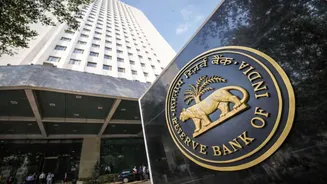
July is a data-heavy month that provides a health check on the economy. Key macroeconomic indicators scheduled for release will be watched intently for clues on the growth trajectory and potential policy responses from the Reserve Bank of India (RBI). These include data on inflation (Consumer Price Index), which is sensitive to food prices influenced by the monsoon, and the Index of Industrial Production (IIP), which measures factory output. Additionally, high-frequency indicators like Purchasing Managers' Index (PMI) for manufacturing and services will offer a timely glimpse into business activity and sentiment. These data points will be crucial in shaping expectations around future interest rate decisions and overall economic health.
Global Cues and Geopolitical Undercurrents
While domestic factors are in the driver's seat, Indian markets remain connected to global trends. Geopolitical developments, particularly in West Asia, continue to be a source of uncertainty for investors. Although crude oil prices have eased from their peaks, any fresh flare-up could impact inflation and market sentiment. Furthermore, commentary from the U.S. Federal Reserve and other major central banks on their interest rate paths will influence foreign institutional investor (FII) flows, which are a key driver of market liquidity. After a challenging first half of 2026, where FIIs were net sellers, their activity in July will be a key indicator of global investor confidence in the India story.
Navigating the Volatility
Given this confluence of factors, market volatility is expected to remain elevated. The Nifty 50 index has been consolidating in a range, with technical analysts pointing to key support and resistance levels that could dictate the near-term trend. For active traders, this environment requires a multi-faceted approach. It's not just about reacting to headlines but about understanding the interplay between corporate earnings, monsoon patterns, macroeconomic data, and global risk appetite. Staying informed and strategically positioned will be essential to navigate the serious business of trading in July.