





The Unseen Risks of Sitting Still
Our bodies are designed for movement, but many of us spend eight hours or more each day sitting. This prolonged inactivity, sometimes called 'sitting disease', has been linked to a surprising number of health issues. Research shows that excessive sitting slows
metabolism and can lead to weight gain, high blood pressure, unhealthy cholesterol levels, and an increased risk of heart disease and even certain cancers. Over time, it can cause muscle weakness, particularly in the legs and glutes, while tightening hip flexors, leading to pain and mobility problems. Poor posture from hunching over a screen can also result in chronic back and neck pain. The impact isn't just physical; studies also connect a sedentary lifestyle with a higher risk of anxiety and depression.
Movement: The Simple Solution
The antidote to a sedentary day is simple: move more. You don’t need an intense gym session to counteract the effects of sitting. Incorporating small, consistent bursts of activity throughout your day can improve blood circulation, boost your metabolism, and maintain muscle strength. Taking regular movement breaks can relieve tension, improve flexibility, and prevent the stiffness that comes from being in one position for too long. Beyond the physical benefits, movement is a powerful tool for your mind. It stimulates blood flow to the brain, which can sharpen focus, enhance creativity, and increase overall productivity. Stepping away from your desk for even a few minutes helps reduce stress and can leave you feeling more energised and positive.
Micro-Habits to Master Your Day
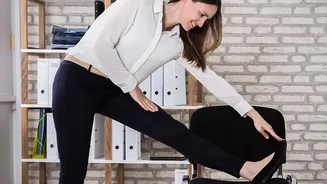
The key is to make movement a natural part of your workflow, not another task on your to-do list. Start by setting a timer to remind yourself to get up at least once every hour. Use this time for a quick lap around the office or to get a glass of water. Instead of emailing a colleague nearby, walk over to their desk. When you're on a phone call, stand up and pace. You can even turn waiting time into active time; do a few simple squats while waiting for the printer or calf raises during a long call. Simple stretches performed at your desk can also provide immense relief for your neck, shoulders, and lower back.
Optimise Your Workspace for Activity
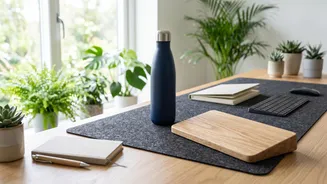
Your environment can either encourage or hinder movement. Start with good ergonomics. Adjust your chair so your feet are flat on the floor and your knees are at a 90-degree angle. Your monitor should be at eye level to prevent neck strain, and your keyboard positioned to keep your wrists straight. If possible, explore using a height-adjustable or standing desk. Alternating between sitting and standing is an excellent way to reduce strain and improve circulation. Even without a standing desk, you can create opportunities to stand, such as during meetings or phone calls. Keep small hand weights or a resistance band at your desk for quick strengthening exercises like bicep curls or shoulder presses during short breaks.
Extend Movement Beyond the Office
Your efforts to be more active shouldn't end when you log off. Think about how you can build movement into your commute. Consider walking or cycling part of the way to work, or simply parking further away from the entrance to get in extra steps. Taking the stairs instead of the elevator is a classic and effective choice. Scheduling a walk during your lunch break is another great way to break up a day of sitting, clear your head, and get some fresh air. By making activity a consistent theme throughout your entire day, not just a 30-minute workout, you build a foundation for long-term health and well-being.