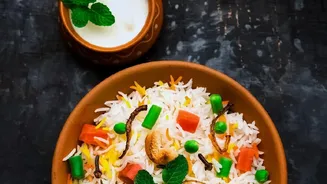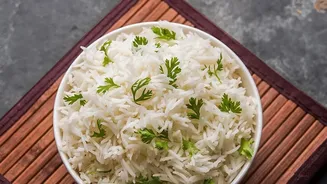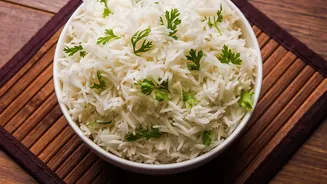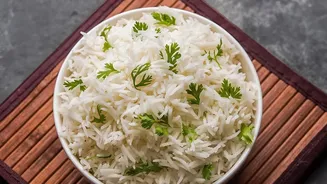



The Foundation: Perfect Basmati Every Time
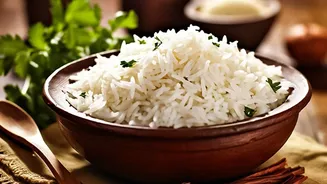
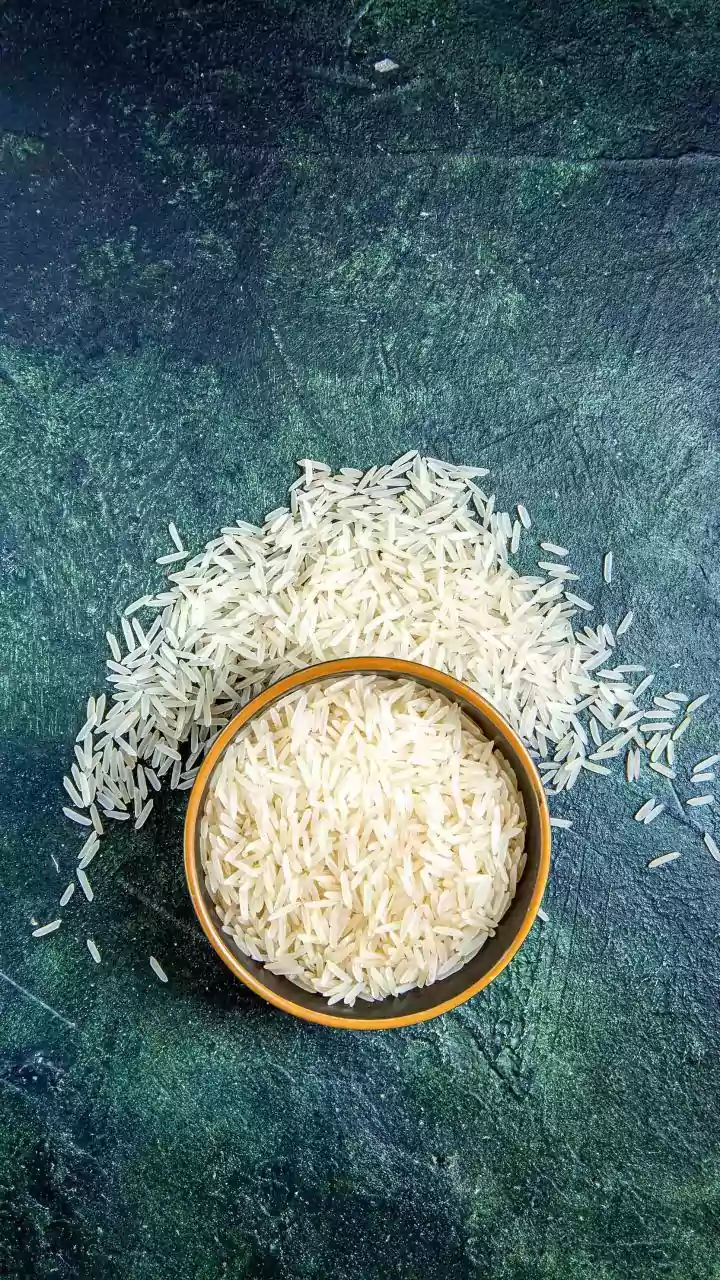
Before we even get to the herbs, mastering the base is crucial for light, fluffy results. The name 'basmati' itself means 'full of aroma' in Hindi, and proper cooking protects that delicate quality. First, always rinse your rice. Place the uncooked grains
in a bowl and wash them with cool water, gently swirling with your fingers, until the water runs clear. This removes excess surface starch that causes stickiness. For the best texture, use a ratio of about 1.5 to 1.75 cups of liquid for every cup of rice. You can use water, but chicken or vegetable broth adds a wonderful depth of flavour. Bring the liquid to a boil, add the rice, stir once, then cover and reduce the heat to a low simmer for 15 to 20 minutes, or until the liquid is absorbed. The final, most important step is to let it rest. Turn off the heat and let the pot stand, covered, for at least 5 to 10 minutes. This allows the grains to steam and firm up. Then, fluff with a fork.
Fresh vs. Dried Herbs: A Quick Guide
The choice between fresh and dried herbs depends on when you add them. Dried herbs have a more concentrated and potent flavour because the drying process intensifies their essential oils. They are best added during the cooking process, allowing their flavours to infuse the entire dish. Woody herbs like rosemary, thyme, and oregano hold up particularly well to drying and simmering. A good rule is to add about one teaspoon of dried herbs for every cup of uncooked rice. Fresh herbs, on the other hand, have a brighter, more delicate taste. Soft herbs like parsley, cilantro, dill, and basil are best stirred in at the very end of cooking, after the rice has rested. Adding them too early will dull their vibrant flavour and colour. If you need to substitute one for the other, a common guideline is to use about three times the amount of fresh herbs as you would dried.
A Simple, Versatile Herbed Rice Recipe
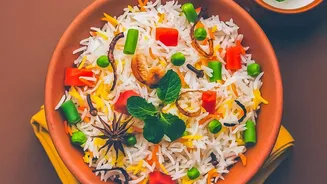
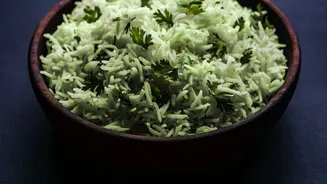
This recipe is a great starting point and can be easily adapted. In a saucepan over medium heat, melt a tablespoon of butter or olive oil. If you like, you can sauté a small, finely chopped onion or some minced garlic until fragrant. Next, add one cup of rinsed basmati rice and toast it for a minute or two, stirring constantly. Pour in 1.75 cups of chicken or vegetable broth, add half a teaspoon of salt, and any dried herbs you're using, like thyme or a bay leaf. Bring the mixture to a boil, then cover the pan, reduce the heat to low, and let it simmer for about 18 minutes. Once all the liquid is absorbed, remove it from the heat and let it stand, covered, for 10 minutes. Finally, discard the bay leaf (if using), add your finely chopped fresh herbs—like a generous handful of parsley and chives—and fluff the rice with a fork before serving.
Classic Herb Pairings to Explore
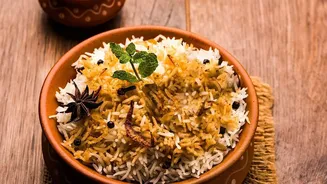
While you can use any herbs you enjoy, some combinations are classics for a reason. For a bright, zesty flavour that pairs wonderfully with chicken or fish, you can't go wrong with cilantro and lime. Simply add the lime zest and chopped cilantro to the rice after it's cooked. Parsley, dill, and chives or scallions create a fresh, green flavour profile that is incredibly versatile and works with almost any main course. For a warmer, more robust taste that complements roasted meats, try a combination of rosemary and thyme, or add a single cinnamon stick or a few bay leaves to the pot while the rice cooks. Don't be afraid to add other aromatics, too. Sautéing whole spices like cumin seeds or cardamom pods in oil before adding the rice is a common technique to build a more complex flavour base.