




The Science of the Sprout
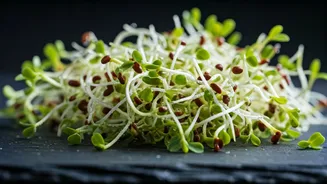
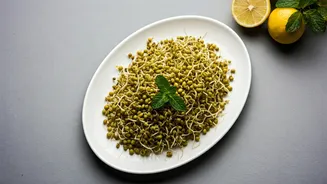
What exactly are sprouts? They are essentially germinated seeds of legumes or grains. Think of moong, moth beans, chickpeas, or even fenugreek seeds caught in the magical act of becoming a plant. This process of germination does something remarkable.
It awakens the seed, breaking down anti-nutrients like phytic acid that can hinder mineral absorption. In their place, it multiplies vitamins (especially B vitamins and Vitamin C), boosts protein availability, and activates enzymes that make the seed easier to digest. In short, sprouting transforms a simple grain or lentil into a more vibrant, nutrient-dense, and easily digestible food. It’s nature’s way of pre-digesting our food for us, making it a cornerstone of raw and living food diets.
Decoding 'Detox'
The word 'detox' is everywhere, but it’s often misunderstood. Our bodies, particularly the liver and kidneys, are incredibly efficient at filtering and removing toxins on their own. Foods cannot perform a 'detox' in the clinical sense. However, when we talk about a detox diet in a modern wellness context, we usually mean eating clean, light, and nutrient-rich foods that support our body's natural cleansing systems. This is where sprouts shine. They are packed with fibre, which is crucial for a healthy digestive tract and regular bowel movements — a primary way the body expels waste. Their high water content aids hydration, and the abundance of antioxidants and enzymes helps reduce the metabolic burden on our system, allowing it to function optimally. So, while they aren't a magic eraser, sprouts are a fantastic tool for supporting your body's innate ability to stay clean.
Beyond the Boring Moong Salad
The biggest barrier for many is the perception of sprouts as bland or boring. It’s time to move beyond a simple bowl of raw moong with salt and lemon. Indian cuisine offers a vibrant palette to make sprouts truly delicious. Try making a sprouts cheela by blending them into a batter with besan and spices for a protein-packed breakfast. Add a handful of crunchy moong or moth sprouts as a topping to your morning poha or upma for a textural surprise. You can even make a quick stir-fry or ‘sabzi’ with mixed sprouts, onions, tomatoes, and your favourite masalas for a warm, comforting meal that is anything but diet food. A warm sprouts chaat, with boiled potatoes, tangy chutneys, and a sprinkle of sev, is another excellent way to enjoy their benefits.
Your At-Home Sprouting Guide
Making your own sprouts is incredibly simple, cost-effective, and ensures maximum freshness. Here’s how to start with moong beans:
1. **Rinse and Soak:** Take about half a cup of whole green moong. Rinse it thoroughly and soak it in at least 2-3 cups of water for 8-12 hours, or overnight.
2. **Drain:** The next morning, drain all the water completely. Rinse the beans again with fresh water.
3. **Sprout:** Transfer the drained beans to a muslin cloth, tie it into a loose bundle, and hang it in a warm corner of your kitchen. Alternatively, you can place them in a sprout maker or a large sieve covered with a plate.
4. **Wait:** In about 24-36 hours, you will see small, white tails emerging from the beans. Your sprouts are ready! Rinse them once more before using.
A Quick Word on Safety
The warm, moist conditions required for sprouting are also ideal for bacterial growth. To stay safe, always buy seeds meant for sprouting from a reliable source or use good-quality whole legumes. Rinse your seeds and beans thoroughly before soaking and before eating. If you have a compromised immune system, it is often recommended to lightly steam or cook your sprouts before consumption rather than eating them raw. Always store your finished sprouts in the refrigerator and aim to consume them within 2-3 days for optimal freshness and safety.