



The End of an Era
Remember the peak of high-gloss kitchens, shimmering metallic wallpapers, and velvet sofas in every conceivable jewel tone? For a long time, aspirational home décor was defined by its visibility. It was loud, proud, and designed to make a statement, often
for the benefit of a social media audience. This ‘maximalist’ approach, filled with bold patterns and overt displays of luxury, was the reigning champion of interior design. However, design experts and trend forecasters are now pointing to a significant shift. The appetite for ostentatious, look-at-me interiors is waning, replaced by a collective desire for spaces that feel good, not just look good online.
Why We're Craving Calm
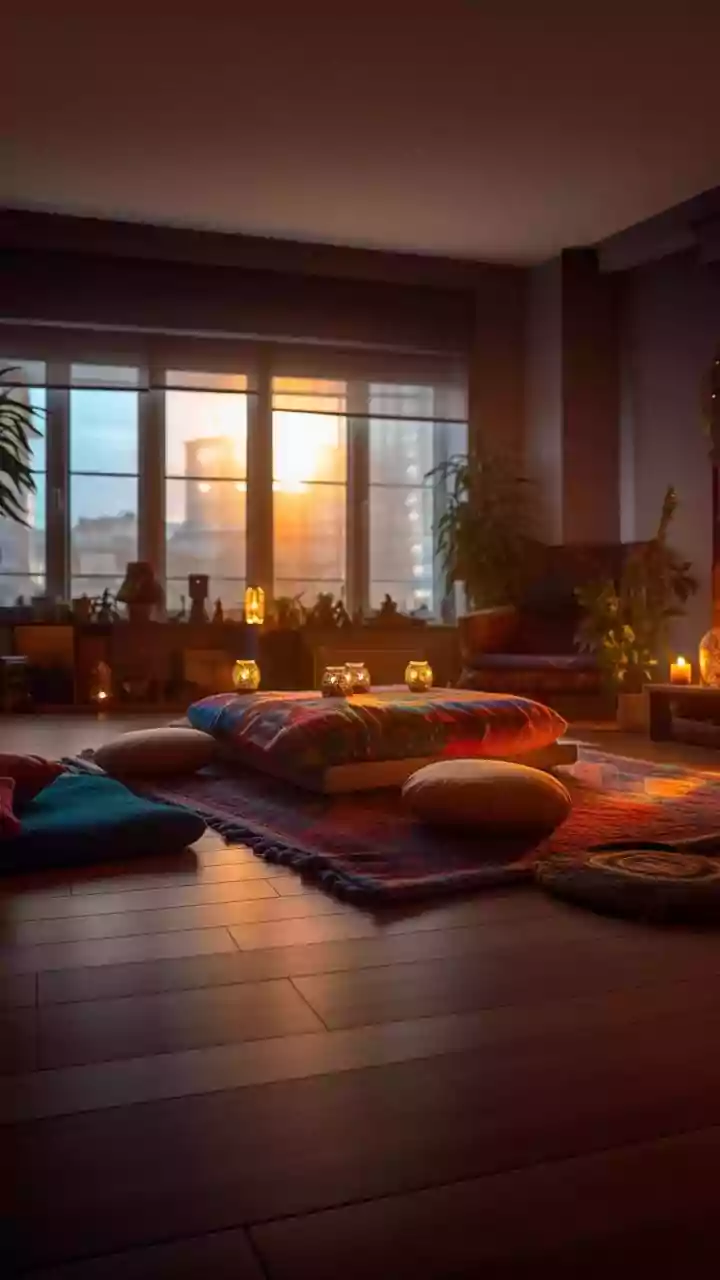
The cultural pivot towards calmer homes isn’t happening in a vacuum. The last few years have fundamentally changed our relationship with our living spaces. Homes became offices, schools, gyms, and, most importantly, sanctuaries from a chaotic world. This intense domesticity sparked a re-evaluation of what we want from our environment. The focus has shifted from creating a 'showroom' to curating a haven. People are seeking spaces that support mental well-being, reduce sensory overload, and offer a genuine escape. The flashy, high-energy décor that once felt exciting can now feel draining. We're no longer designing for hypothetical guests or Instagram likes; we're designing for ourselves and our peace of mind.
The Rise of 'Quiet Luxury'
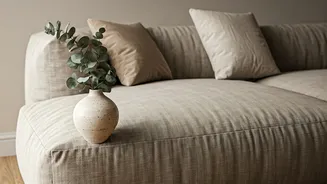
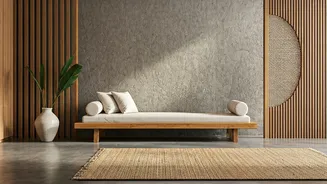
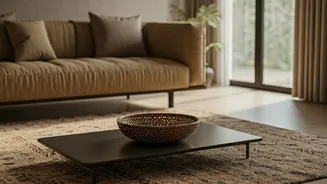
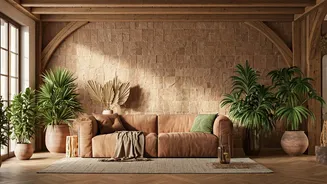
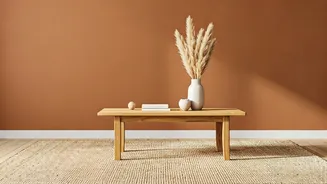
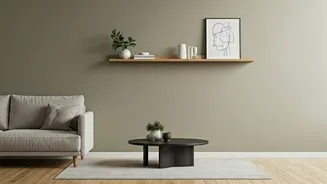
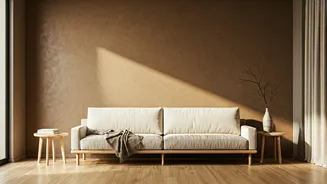
So, what is replacing the glitz? The answer lies in a concept that has taken both fashion and interiors by storm: 'quiet luxury'. This isn't about stark, cold minimalism. Instead, it’s a richer, more layered approach that prioritizes quality, texture, and craftsmanship over logos and loudness. Think of a beautifully crafted wooden chair instead of a gold-plated one. Imagine walls with subtle texture, like lime wash or linen wallpaper, instead of a loud geometric print. It’s about the sensory experience—the feel of a hand-woven rug underfoot, the weight of real linen curtains, and the soft glow of well-placed, ambient lighting. The luxury is in the materials and the artistry, which speak for themselves without shouting.
A Modern Return to Our Roots
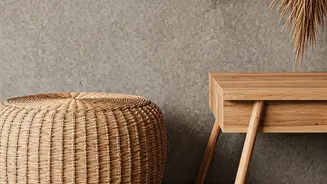
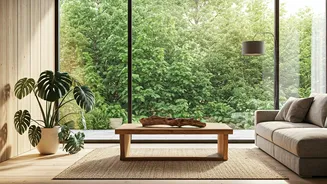
For us in India, this global trend feels less like a new discovery and more like a homecoming. The principles of quiet luxury—natural materials, artisanal craftsmanship, and timeless design—are deeply embedded in our own aesthetic traditions. This isn't about abandoning modern life for a completely rustic look. It’s about thoughtfully integrating these elements into contemporary homes. Think of furniture made from sustainable Indian teak or Sheesham wood, hand-blocked printed textiles from Jaipur for cushions and throws, or intricate cane and rattan work from Assam. These pieces bring a story, a sense of place, and an organic warmth that mass-produced, flashy items simply cannot replicate. It’s about celebrating understated elegance that is both globally relevant and distinctly Indian.
How to Embrace the New Calm
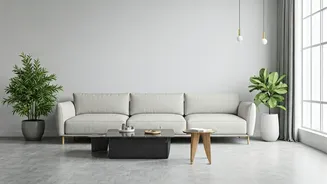
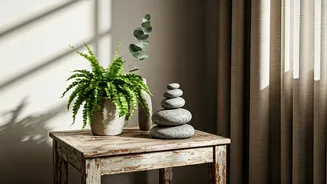
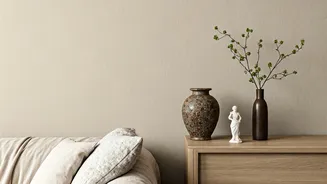
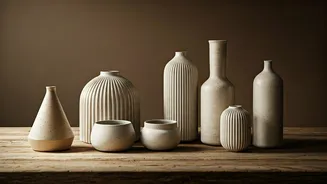
Adopting this style doesn’t require a complete overhaul. You can start small. Begin by decluttering, removing items that feel visually noisy or lack personal meaning. Next, focus on texture. Introduce a variety of materials like cotton, jute, wool, and wood to add depth and interest. Swap a few synthetic pieces for natural-fibre alternatives. Instead of buying a dozen small, trendy objects, consider investing in one or two well-made, timeless pieces, like a solid wood side table or a handcrafted ceramic vase. Finally, pay attention to lighting. Ditch harsh overhead lights in favour of layered, softer lighting from lamps and sconces to create a warm and inviting atmosphere.