



What the New Reports Reveal
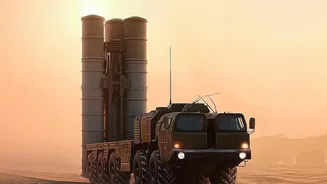
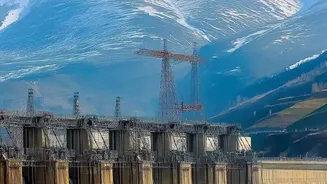
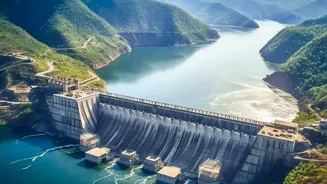
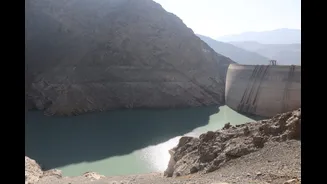
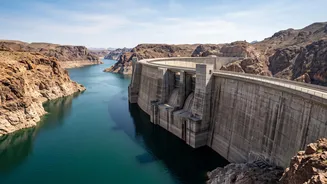
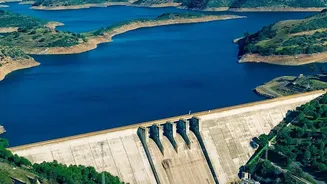
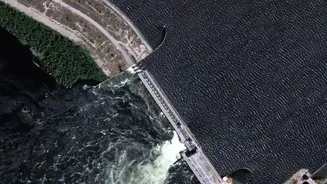
Recent analysis, highlighted in a New York Times investigation, points to a puzzling pattern across Iran: the country's extensive network of dams and water-transfer projects appears to be geographically correlated with suspected underground missile facilities.
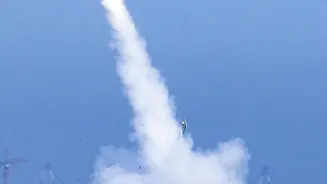
A water security specialist, Nima Shokri of Germany's Hamburg University of Technology, has documented at least 533 dams in Iran, many in areas where their economic or agricultural purpose seemed unclear. The issue gained new prominence when maps of recent US and Israeli airstrikes on missile sites showed a striking overlap with the locations of this water infrastructure. While the connection is not definitively proven, it has led military analysts and regional experts to theorize that the proximity is no coincidence. The speculation is that these civilian projects may be serving a dual purpose, supporting Iran's sprawling and fortified 'missile cities'.
A Strategy of 'Operational Continuity'
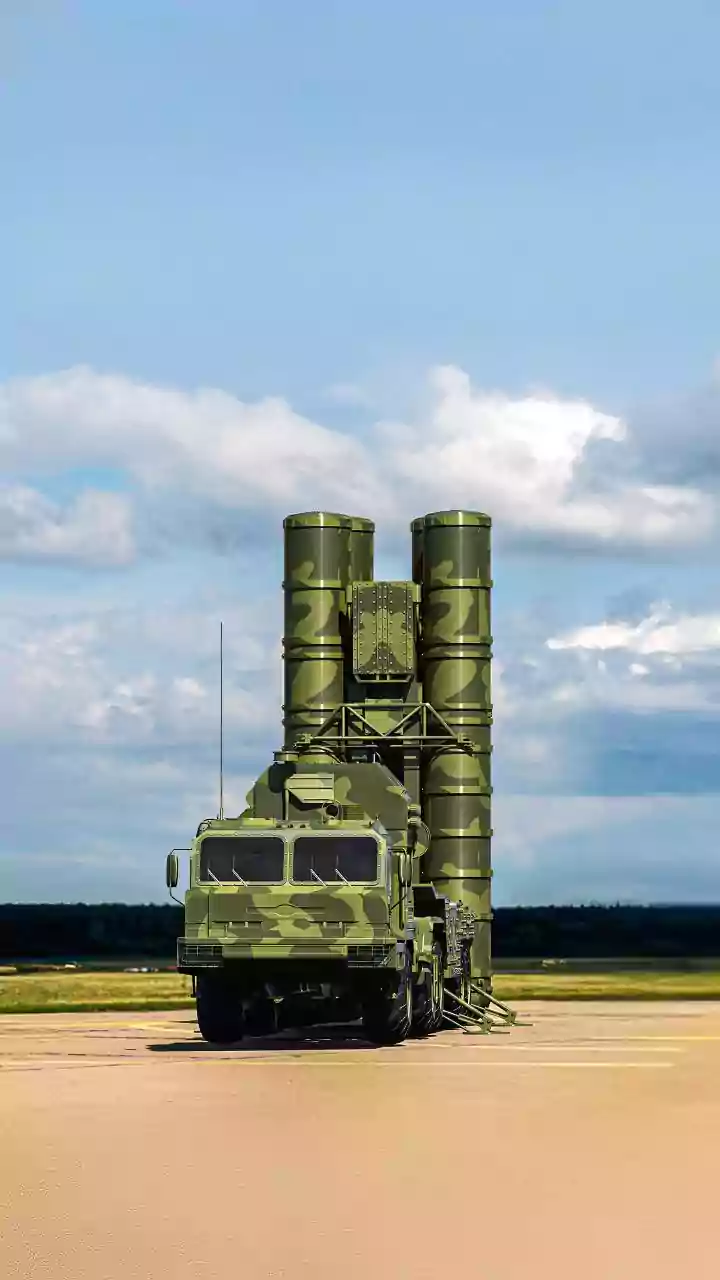
The primary theory behind this potential strategy is military resilience. Sprawling, fortified underground missile complexes—of which Iran is estimated to have at least 30—require immense and reliable resources to function, especially during a conflict. According to former Israeli military intelligence analyst Danny Citrinowicz, providing these bases with independent sources of water and power gives Iran 'operational continuity'. If the national grid is damaged in an attack, a nearby dam could potentially supply the necessary electricity and water to keep a missile facility running. This would allow Iran to maintain its retaliatory capabilities even under sustained assault, a key tenet of its defense doctrine. It ensures that its most valuable deterrents are not dependent on vulnerable public infrastructure.
A High-Stakes 'Human Shield'?
Beyond logistical support, the proximity of missile sites to dams creates a dangerous strategic dilemma for any adversary. An attack on a missile base located next to a major dam carries the immense risk of collateral damage on a catastrophic scale. A miscalculation or a powerful enough strike could breach the dam, unleashing a flood that would devastate downstream communities and ecosystems. This effectively turns the civilian infrastructure into a human shield. While this may deter an attack, it is an incredibly high-stakes gamble. The tactic puts Iran's own population directly in the line of fire, a point not lost on international observers. This dual-use possibility complicates targeting calculations for powers like the US and Israel, forcing them to weigh the military gain against a potential humanitarian disaster.
Skepticism and Alternative Explanations
Despite the suggestive geographical overlap, experts urge caution, emphasizing that the link remains speculative. Some analysts argue there are simpler explanations. For instance, both large military bases and dams are often built in remote, mountainous regions for topographical and security reasons. Furthermore, other experts have pointed out that fewer than 50 of Iran's 500-plus large dams are actually equipped with turbines to generate electricity, questioning their utility as power sources. Another theory suggests the proliferation of dam projects is driven more by the economic interests of politically connected construction firms, including those linked to the Islamic Revolutionary Guard Corps (IRGC), rather than a grand military strategy. These projects become a way to secure large government budgets. Critics of the theory argue that linking dams to military sites without conclusive proof is irresponsible journalism that could wrongly paint vital civilian infrastructure as a legitimate military target.
Iran's official reaction
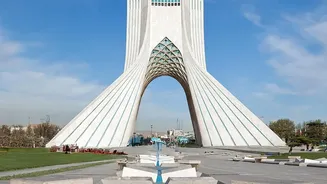
Tehran has reacted angrily to the reports, interpreting them as a pretext for future attacks on its civilian infrastructure. Iran's Parliament Speaker, Mohammad Bagher Ghalibaf, issued a threat in response, stating that if Iran's dams are considered 'dual-use', then any dam, port, or power plant near an American or Israeli base should be considered fair game as well. This heated rhetoric underscores the sensitivity of the issue. Whether the proximity of these sites is a deliberate military strategy, a coincidence of geography, or a byproduct of domestic policy, the new reporting has introduced a volatile new element into the already tense standoff in the Middle East, blurring the lines between civilian and military assets.