



A New Language of Identity
For a growing number of young people in India's Tier 2 cities, fashion is a declaration of identity. Rejecting the monolithic trends of global fast fashion, they are turning inwards to create a style that is both deeply personal and culturally rooted.
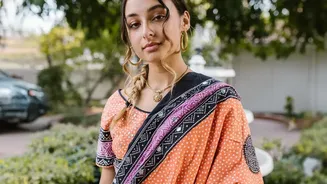
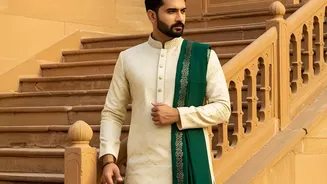
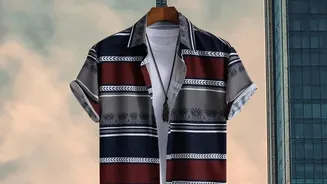
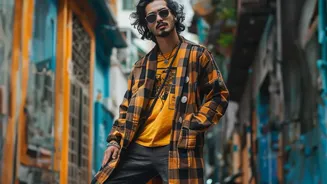
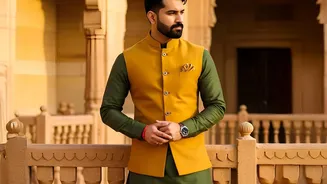
Handloom fabrics like Khadi, Ikat, and Jamdani are no longer just for their parents' generation. Instead, they are being transformed into bomber jackets, bucket hats, and oversized shirts. This movement is about crafting an identity that is authentically Indian but also undeniably modern, a sharp departure from simply following Western trends. It’s a way for Gen Z to wear their heritage with pride, telling a story with their clothing that mass-produced garments cannot.
The Sustainable Wardrobe
The global conversation around sustainability has found a powerful voice in India's youth. The devastating environmental and human cost of fast fashion has led many to seek alternatives. Handlooms offer a compelling solution: they are produced with minimal electricity, use natural, biodegradable fibres, and support eco-friendly practices. For a generation deeply concerned about the planet, choosing a handwoven garment over a synthetic one is a conscious, value-driven decision. This shift represents a move towards 'slow fashion'—valuing quality over quantity and investing in pieces that are made to last, both in terms of durability and timeless style.
From Weavers to Wardrobes
The resurgence of handlooms in streetwear has a significant economic dimension. It forges a direct link between urban consumers and rural artisan communities. For years, the survival of these craft clusters has been precarious. Now, this renewed demand provides weavers with better livelihoods and encourages younger generations to continue their ancestral craft. Indie labels and designers are collaborating directly with these artisans, ensuring fair wages and preserving traditional techniques while adapting them for modern markets. This creates a virtuous cycle where a consumer in a Tier 2 city is not just buying a piece of clothing, but investing in the sustainability of India's rich craft economy.
Designers Rethinking the Weave
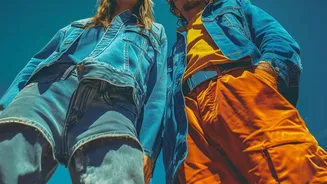
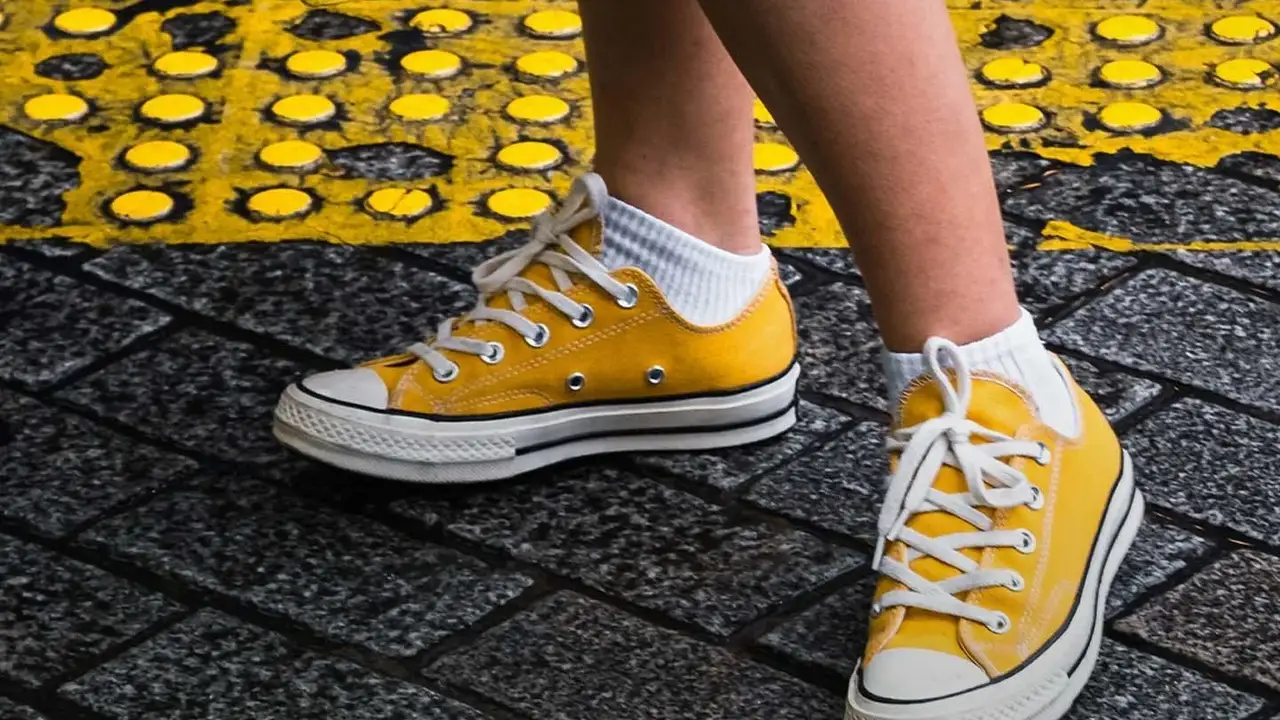
The success of this trend owes a great deal to a new crop of designers who are creatively reinterpreting traditional textiles. They are taking fabrics once reserved for sarees and kurtas and transforming them into contemporary silhouettes like jumpsuits, co-ord sets, and even sneakers. By experimenting with cuts, pairing handlooms with unexpected materials like denim, and using modern colour palettes, they are making these heritage textiles relevant and desirable for a younger audience. These designers are proving that handloom is not a static tradition but a dynamic and versatile medium for fashion-forward expression. The result is a fusion that feels both respectful of the past and excited about the future.
The Social Media Showcase
Instagram and other social media platforms have been instrumental in this movement. They have democratised fashion, allowing trends to emerge organically from smaller cities rather than being dictated by metro-centric media. Fashion influencers from Tier 2 cities showcase how to style a Gamcha kaftan with boots or an Ajrakh stole with a simple T-shirt, inspiring their followers to experiment. Hashtags create online communities around shared values of sustainability and cultural pride. This digital runway gives visibility to small, independent brands and allows consumers to discover unique pieces that reflect their personal style, far from the offerings of mainstream retail.