








Swap Heavy Fabrics for Light Alternatives
During humid seasons, heavy textiles like velvet, wool, or even thick cotton can trap moisture, leading to a musty smell and a perpetually damp feeling. The simplest yet most effective change is to switch to lighter, more breathable fabrics. Opt for sheer
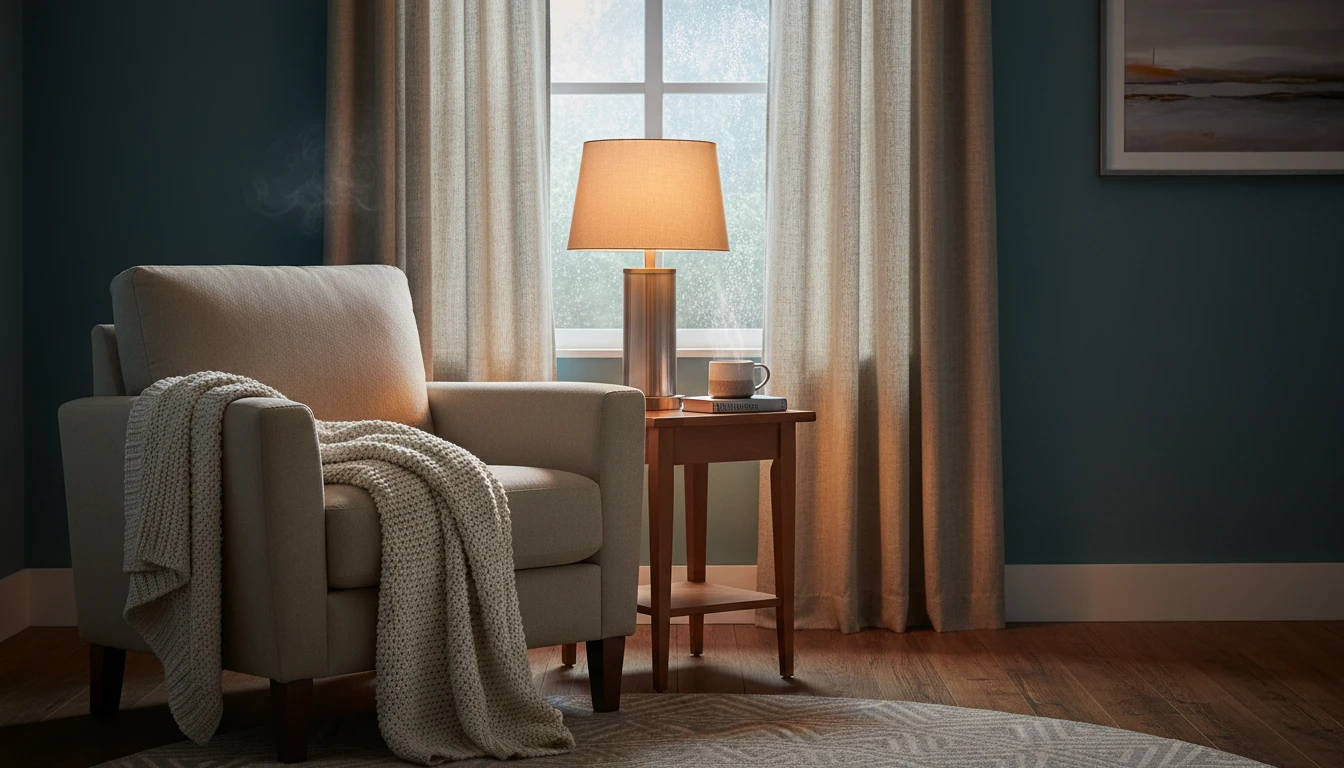
or linen curtains instead of heavy drapes. These allow more natural light to filter through, instantly making the room feel airier, and they dry much faster. Pack away any thick rugs, which can hold dampness and take a long time to dry. For your bedding and cushion covers, choose lightweight cotton or linen in bright, cheerful colours like citrus, pink, or turquoise to visually combat the gloomy weather outside.
Layer Your Lighting without Drilling
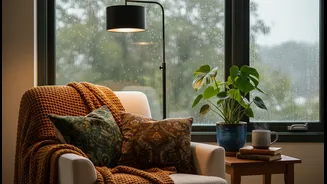
Dark days call for brighter interiors, but rented spaces often have fixed, inadequate lighting. The solution is to layer multiple light sources. Start by swapping existing bulbs for brighter, daylight-leaning LEDs. Then, add portable lights that require no installation. A tall floor lamp placed in a corner can illuminate the whole room and make it feel more spacious. Use plug-in wall sconces or battery-operated picture lights to add a warm glow to walls without making a single hole. String lights or fairy lights are another affordable, damage-free way to create a cosy and warm ambience, perfect for fighting off the monsoon blues.
Use Mirrors to Magnify Light
Mirrors are a classic interior design trick for a reason: they are incredibly effective at making a room feel larger and brighter. In a room that suffers from a lack of light, a strategically placed mirror can work wonders. Position a large, free-standing mirror opposite a window to capture and bounce any available natural light back into the space. If you don't have much window light, place mirrors near your artificial light sources, like a table lamp or floor lamp, to amplify their glow. You can use damage-free adhesive hooks to hang a group of smaller, mismatched mirrors for a decorative effect that also multiplies the light.
Introduce Humidity-Fighting Greenery
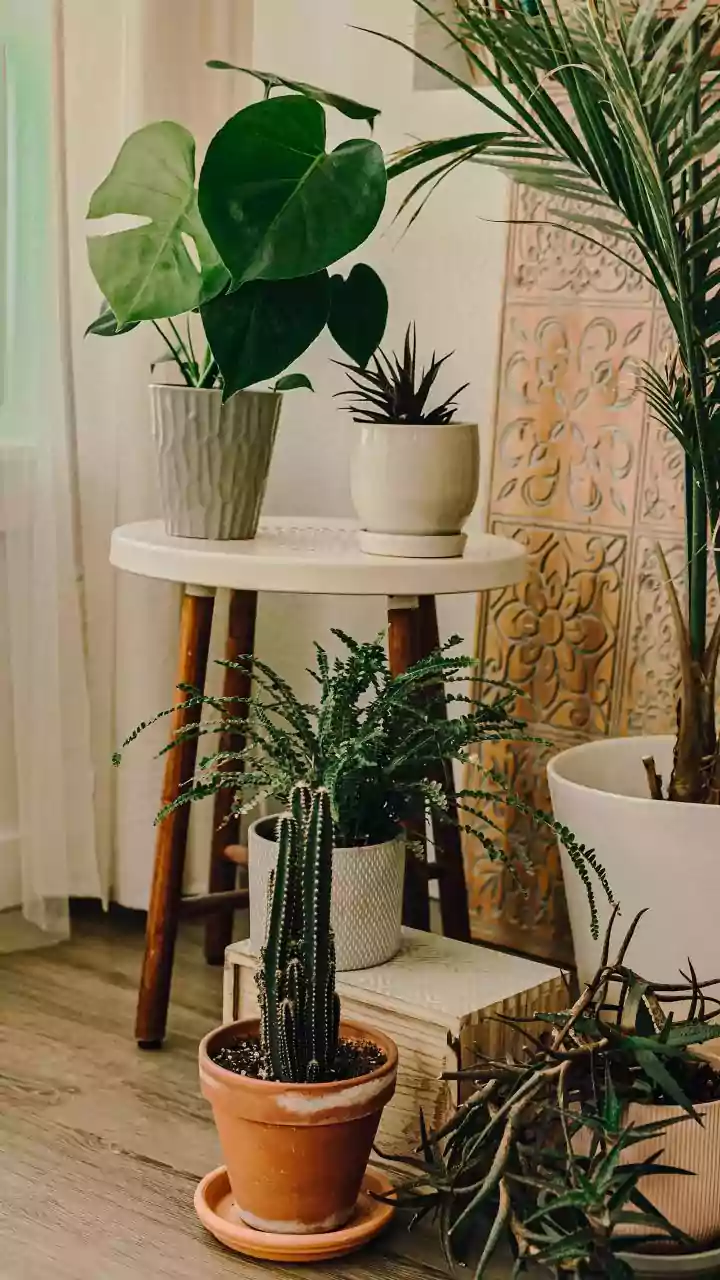
Certain houseplants are natural dehumidifiers, absorbing moisture from the air through their leaves. This makes them a perfect two-in-one solution: they add a touch of life and colour while actively improving your room's environment. Some of the best options for reducing humidity include Peace Lilies, Spider Plants, Boston Ferns, and English Ivy. Many of these plants, like the Peace Lily and Spider Plant, are also low-maintenance and can thrive in lower-light conditions, making them ideal for gloomy indoor spaces. Group a few small pots on a windowsill or use a hanging planter to save floor space.
Declutter for Better Airflow
Clutter doesn't just make a room look smaller; it also impedes air circulation, which can worsen humidity and dampness. Taking time to declutter is a free and highly effective way to make your bedroom feel fresher. Focus on clearing corners and surfaces. Store away any items you don't use daily to create more open, breathable zones. Pull furniture slightly away from the walls to prevent moisture from getting trapped behind it. Using decorative baskets and storage ottomans can help you organise your belongings while adding a stylish touch. A tidy, organised space feels mentally lighter and physically allows air to move more freely, keeping mustiness at bay.
Engage the Senses with Scents
Humidity often brings a persistent musty odour. Combat this by introducing pleasant, fresh scents. Scented candles not only release fragrance but also add a warm, cosy glow on a dark day. Essential oil diffusers are another excellent option, allowing you to fill the room with uplifting scents like lemongrass or eucalyptus that are known to fight damp smells. For a passive solution, place bowls of rock salt or charcoal in corners; they are natural desiccants that absorb both moisture and odours. Small sachets of camphor or dried potpourri tucked into drawers and closets can also keep your belongings smelling fresh.