








From Buzzword to Daily Reality
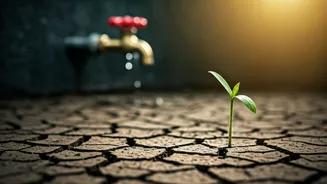
India is facing one of the worst water crises in its history, with some 600 million people confronting high to extreme water stress, according to policy think tank NITI Aayog. Put simply, water stress occurs when the demand for water exceeds the available
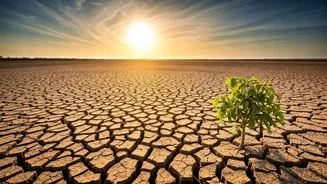
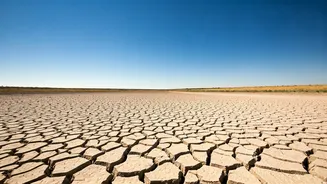
amount during a certain period. For India, a combination of rapid urbanization, over-extraction of groundwater, and increasingly erratic monsoons due to climate change has turned this concept into a chronic condition. India is the largest user of groundwater in the world, extracting more than the US and China combined. This over-reliance has pushed many regions to a breaking point, where aquifers that took centuries to fill are being drained far faster than nature can replenish them.
The Crisis in Our Cities
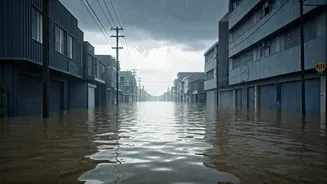
The urban water crisis is now a familiar story. Cities like Bengaluru, Chennai, and Delhi have repeatedly made headlines for severe water shortages, bringing them dangerously close to a 'Day Zero' scenario where taps run dry. The sight of residents queuing for water tankers has become a seasonal fixture. This crisis is a direct result of unplanned urban sprawl, which has paved over lakes and natural recharge zones with concrete, and an over-dependence on dwindling groundwater. In Bengaluru, for instance, over 80% of its lakes have been lost to urban development. This not only creates shortages but also leads to flooding during heavy rains. For many urban households, particularly in lower-income areas, the financial burden is immense, with a significant portion of income spent on securing water from private tankers.
The Strain on the Countryside
While urban shortages grab headlines, the crisis runs deeper in rural India. Agriculture consumes nearly 80-90% of the country's freshwater, and much of this comes from groundwater. The depletion of these underground reserves has devastating consequences for farmers. In states like Punjab, Haryana, and Rajasthan, over-extraction for water-intensive crops has led to plummeting water tables. This forces farmers to drill deeper wells, increasing their energy costs and pushing them into debt. When wells run dry, crop failures follow, threatening not just the livelihoods of millions but also India's food security. The economic distress often fuels migration from rural areas to cities, adding further pressure to already strained urban infrastructure.
A Ripple Effect on Health and Economy
The impacts of water scarcity ripple through the entire economy and society. When water is scarce, it is often contaminated, leading to a public health crisis. India ranks 120th out of 122 countries in the water quality index, with nearly 70% of its water being contaminated. This results in widespread waterborne diseases like cholera and typhoid, with an estimated 200,000 people dying each year from inadequate access to safe water. Economically, water shortages can halt industrial production, reduce energy generation from hydropower plants, and lead to a projected loss of up to 6% of the country's GDP by 2050. It also creates social friction, with water disputes rising between states, communities, and even neighbours.
From Crisis to Conservation
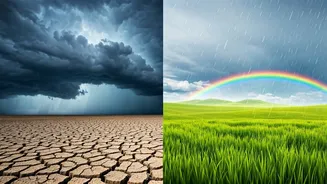
The situation is dire, but not irreversible. The solution lies in shifting from a supply-focused mindset to one of management and conservation. Across the country, communities are demonstrating that local action can have a massive impact. In villages from Maharashtra to Andhra Pradesh, integrated watershed management—building check dams, reviving traditional water bodies, and promoting rainwater harvesting—has successfully recharged groundwater levels and revived local economies. For instance, in the Marathwada village of Bansawargaon, a community effort to widen canals and repair bunds helped it become tanker-free. In Varanasi, a project to install rooftop rainwater harvesting systems on public buildings is helping restore the city's water table. These success stories show that when communities are involved, lasting change is possible.