



A Dusty Demise for Pioneers
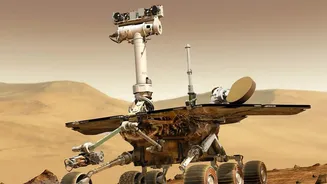
The history of Mars exploration is written in dust. For solar-powered explorers, this fine-grained, electrostatic sand is a mission-ending threat. It coats solar panels, slowly starving them of the sunlight they need to operate. The iconic Opportunity
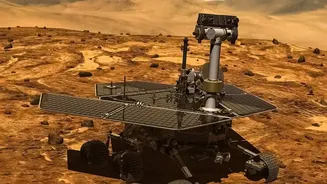
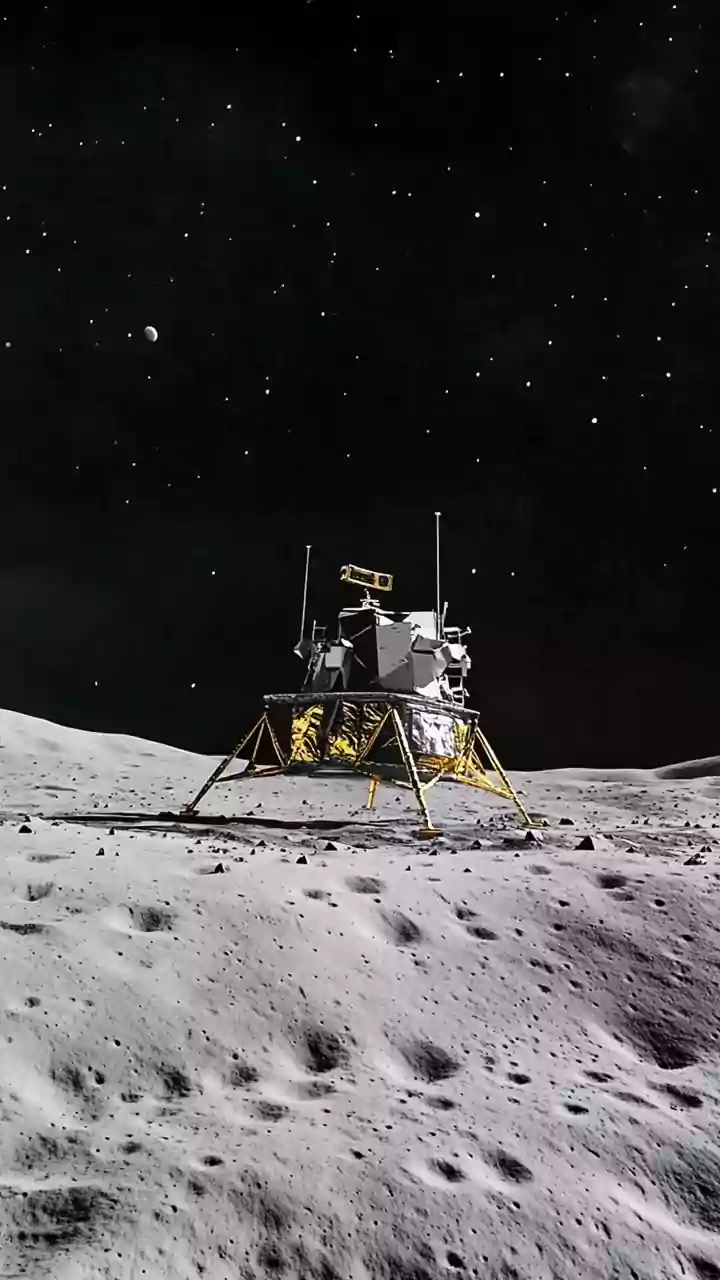
rover, which far outlasted its initial 90-day mission, finally succumbed not to mechanical failure, but to a planet-encircling dust storm in 2018 that blotted out the sun. Its solar panels, already coated in a film of dust, could no longer generate power. Similarly, the InSight lander fell silent in late 2022 after its power levels steadily dropped due to dust accumulation. These costly experiences have provided a critical lesson: to survive on Mars, you must master the dust.
Understanding the Martian Weather Machine
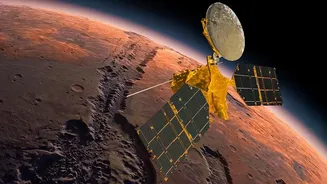
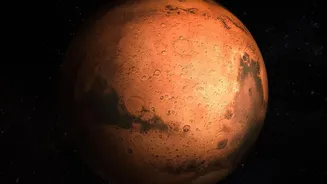
Not all wind on Mars is bad news. Early rover missions like Spirit and Opportunity benefited from surprise “cleaning events,” where wind gusts or dust devils would unexpectedly sweep their solar panels clean, granting them a new lease on life. However, these events are unpredictable. The real breakthrough is coming from understanding the larger, seasonal patterns of Martian weather. Orbiting spacecraft, such as NASA’s Mars Reconnaissance Orbiter (MRO), have been monitoring the planet for years, using instruments like the Mars Color Imager to create daily global weather maps. By tracking how atmospheric temperatures change, scientists can identify predictable, large-scale regional storms that occur in a series each Martian year, often originating in the same areas. These storms are driven by seasonal energy imbalances, where the planet absorbs more solar energy than it releases, creating the conditions for dust to be kicked high into the thin atmosphere.
Eyes in the Sky as Early Warning
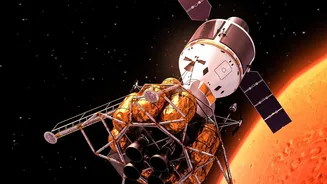
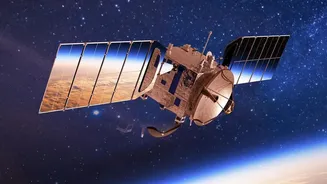
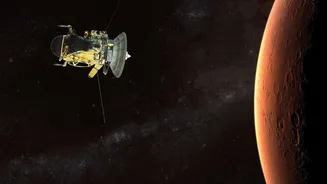
A fleet of orbiters, including the MRO, MAVEN, and Odyssey, now act as a planetary-wide weather service. They don't just observe storms; they provide crucial data that helps protect assets on the ground. When a storm is detected, these orbiters can track its size, speed, and direction. This information allows mission controllers on Earth to take protective measures, such as placing a lander into a low-power safe mode to conserve energy until the sky clears, as was done with the InSight lander. The ability to forecast where and when major dust activity will occur is moving from a scientific curiosity to an essential operational tool. This predictive capability is the key to safeguarding the multi-billion dollar investments exploring the Martian surface.
Designing Smarter, Resilient Rovers
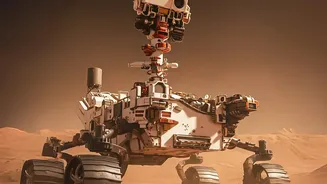
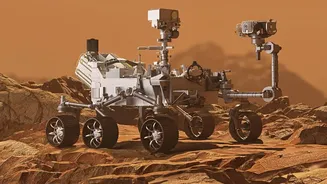
The data gathered by these orbiters is directly influencing the next generation of Martian hardware. Understanding the timing and location of seasonal dust pulses allows engineers to make smarter decisions about future missions. This includes selecting landing sites that are statistically less prone to the worst dust accumulation and planning surface operations to avoid peak storm seasons. The knowledge is also driving innovation in solar array technology itself. While some rovers like Curiosity and Perseverance use nuclear power (Radioisotope Thermoelectric Generators or RTGs) to bypass the dust problem entirely, solar power remains a crucial, lighter-weight option for many missions. Future designs may incorporate more advanced, dust-resistant surfaces, dust-shedding tilting mechanisms, or even electrodynamic dust shields that use an electric field to actively repel particles.