




Start Small, Dream Big
One of the most common mistakes new gardeners make is starting too big. An enormous plot can quickly become a source of stress rather than joy, demanding huge amounts of time for weeding, watering, and pest control. Instead, begin with a manageable space,
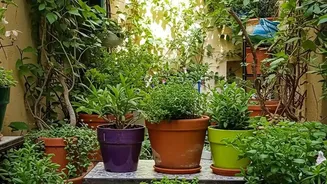
like a single raised bed, a few containers on a patio, or a small, dedicated patch of ground. This allows you to focus on learning the fundamentals without getting overwhelmed. You can master the needs of a few plants and build your confidence for future expansion. A small, well-tended garden is far more rewarding than a large, neglected one.
Location, Location, Sunlight
Before you buy a single seed, observe your space. Most vegetables and many flowering plants need at least six hours of direct sunlight per day to thrive. Spend a day tracking the sun's path across your yard or balcony to identify the sunniest spots. Don't have a full-sun area? Don't despair. Many plants, like lettuces, herbs, and certain flowers, do well in partial shade. Choosing plants that match your available light is the single most important decision for ensuring a successful garden. Trying to grow a sun-loving tomato in a shady corner will only lead to disappointment.
Invest in Your Soil
Think of soil as the foundation of your garden. Ignoring its quality is a mistake that leads to weak, undernourished plants. Healthy soil should be loose, rich in nutrients, and drain well. If you're starting a new in-ground bed, it's crucial to improve the native soil. A great way to do this is by adding a generous layer of organic matter, like compost. This simple addition improves soil structure, provides essential nutrients, and helps with water retention. For container gardening, always use a high-quality potting mix rather than garden soil, which becomes too compacted in pots and can prevent proper drainage.
Choose Easy-to-Grow Plants
Set yourself up for success by choosing plants known for being forgiving and productive. For vegetables, beginners often have great luck with zucchini, cucumbers, lettuce, radishes, and bush beans. These tend to grow quickly and produce a satisfying harvest without too much fuss. If you're interested in flowers, start with hardy options that require minimal pruning or special care. Avoid notoriously tricky plants like tomatoes from seed or others that are prone to disease until you have a season or two of experience under your belt. Success with your first few plants will provide the motivation to continue learning.
Master the Art of Watering
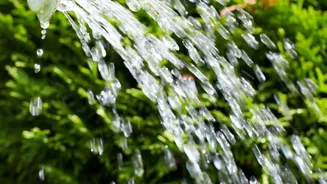
Both overwatering and underwatering can be fatal to plants, but overwatering is one of the most common beginner mistakes. Instead of watering a little bit every day, it's much better to water deeply and less frequently. This encourages roots to grow deeper into the soil in search of moisture, creating stronger, more resilient plants. The best way to know if it's time to water is to simply check the soil. Stick your finger about two inches deep; if the soil feels dry at that depth, it's time to give your plants a good, thorough soak. Container plants will dry out faster than in-ground beds, so they'll need more frequent checks.