





The Festival Bubble Trap
We’ve all seen it, and many of us have lived it. You book flights and a hotel, spend three days shuttling between your room and the festival grounds, and subsist entirely on food truck fare. You’re surrounded by thousands of people, yet the only locals
you meet are the ones scanning your ticket. The host city or village becomes a blurry background, a logistical hurdle rather than a place to be experienced. When the final act finishes, you fly home with a camera roll full of stage lights and a vague sense of the place you just were. While fun, this approach reduces a destination with its own unique culture, history, and rhythm into a mere commodity—a convenient location for an event.
From Backdrop to Main Character
What happens when you intentionally burst that bubble? The trip transforms from a simple event into a rich, immersive experience. Engaging with the local culture doesn’t just add a few photos to your collection; it deepens your understanding of the world. It fosters connection, breaks down stereotypes, and creates memories that last longer than the festival wristband. By treating the destination as the main event and the festival as a highlight within it, you gain a broader perspective and a more profound sense of place. Suddenly, the trip isn't just about the lineup; it's about the people you meet, the local food you savour, and the stories you hear.
India's Prime Examples
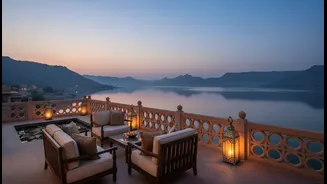
India’s festival circuit offers perfect opportunities for this deeper mode of travel. Take the Ziro Festival of Music in Arunachal Pradesh. While it attracts incredible independent artists, its true magic lies in its setting within the Apatani tribal landscape. The festival is a gateway to understanding their unique sustainable farming, rich culture, and warm hospitality. Similarly, Magnetic Fields isn't just a music festival; it's an experience set in a 17th-century palace in Alsisar, Rajasthan. The event is an invitation to explore the art, architecture, and royal history of the Shekhawati region. Then there’s the Hornbill Festival in Nagaland, known as the 'Festival of Festivals'. It's designed specifically to showcase the traditions of the 17 major Naga tribes. To visit Hornbill is to have an unparalleled opportunity to interact with diverse communities, explore their traditional huts (morungs), and understand their way of life, all in one place.
A Practical Guide to Deeper Travel
Making this shift doesn't require a radical overhaul of your plans. It just needs a little intention. First, add buffer days. Arrive a day or two before the festival begins and stay a day after it ends. Use this time not for recovering, but for exploring. Leave the festival grounds for one intentional meal at a local restaurant. Instead of trying to see everything, pick one focused activity: wander through a local market, visit a historical site, or simply sit in a local cafe and observe daily life. Hire a local guide for a half-day tour to gain insights you’d never find on your own. These small efforts can completely reframe your journey, turning a fleeting good time into a lasting, meaningful connection with a place and its people.